ZENTA – burgundy dwarf mini rose – Márk
Step out after rain and find a narrow path edged with velvety burgundy blooms: ZENTA is a compact, dwarf mini rose that settles neatly into small front gardens and balconies while coping well with typical British showers and heavier soils needing careful drainage. Its naturally compact habit keeps maintenance low, so you spend more time enjoying the planting than tending it, and in a 40–50 litre container or a narrow London front bed it offers a long season of repeat flowering. As an own-root rose, it forms a stable base that ages slowly and can regenerate from the crown, giving you a reassuringly long-lived feature in a small space. Over time you see the quiet arc of its development – roots establishing in year one, stronger shoots and structure in year two, then full ornamental impact in year three – a gentle, sustainable way to build a resilient, rainwater-aware garden that still feels beautifully girly.
Usage options
| Target area |
Reasoning |
| Balcony container (40–50 litres) |
ZENTA’s dwarf, bushy habit and modest root system make it ideal for a single 40–50 litre container, where it keeps a tidy outline without constant pruning. Own-root growth gives long service life, even in pots, suiting busy balcony gardeners. |
| Terraced-house front garden edging |
Planted at 20 cm intervals, the compact plants form a low, burgundy edging that frames front paths without encroaching on steps or pavements. This makes it easy to integrate into small urban plots for London terrace owners. |
| Rainwater-conscious gravel or rock garden |
Good drought tolerance and H5 hardiness mean ZENTA copes with free-draining, rainwater-friendly gravel beds where excess water runs off quickly yet the soil can still dry between showers, appealing to low-input gardeners. |
| Mixed mini-rose border in family gardens |
With a height of only 35–45 cm and dense foliage, it slots neatly into the front of a mixed border without shading out neighbouring perennials, offering structure and colour for small family-garden owners. |
| Compact hedge or line along paths |
At the recommended 20 cm spacing, ZENTA creates a short, evergreen-like line of foliage and flowers that visually guides visitors while remaining easy to trim, a practical option for informal garden designers. |
| Heat-exposed courtyard planting |
The group’s good drought tolerance and average heat tolerance mean that, given mulching and regular watering, it withstands the reflected warmth of brick or stone courtyards, reassuring urban patio gardeners. |
| Chalky or heavier urban soils with improved drainage |
Moderate disease resistance and adaptability make it suited to typical town soils if you mix in organic matter and grit, helping roots cope with heavier ground that still handles frequent showers, supporting sustainability-minded homeowners. |
| Low-maintenance feature in premium pots |
Slow, compact growth and repeat flowering let ZENTA hold its form for years in a quality container, especially as an own-root plant that can be rejuvenated by pruning, providing lasting value for design-conscious beginners. |
Styling ideas
- Classic frontage – line ZENTA along a short front path, underplant with low thyme in the joints between pavers – ideal for time-poor terrace owners seeking neat kerb appeal.
- Burgundy focus – plant three ZENTA in a 50 litre clay pot with silver gravel mulch and a backdrop of slate, for those wanting a strong focal point in a compact space.
- Rock-garden ribbon – weave a row of plants through a gravel and boulder bed, paired with Calamintha ‘Elfin Purple’, suiting gardeners keen on drought-aware, rain-permeable planting.
- Mini border – front a mixed border with ZENTA and airy perennials such as Liatris ‘Kobold’, perfect for family gardens needing clear structure and easy upkeep.
- Courtyard jewel – place ZENTA near pale walls in a square planter to highlight its velvety burgundy flowers, for urban balcony and patio owners favouring compact luxury.
Technical cultivar profile
| Property |
Data |
| Name and registration |
Miniature, dwarf rose marketed as ZENTA – burgundy dwarf mini rose – Márk; ARS exhibition name Zenta; part of the Mini - dwarf rose collection, verified for authenticity on 28.04.2025. |
| Origin and breeding |
Miniature rose bred by Márk Gergely in Hungary, 2002; parentage and breeding institution not recorded; introduced to the market by PharmaRosa® Ltd., with distribution focusing on garden-scale plantings. |
| Growth and structural characteristics |
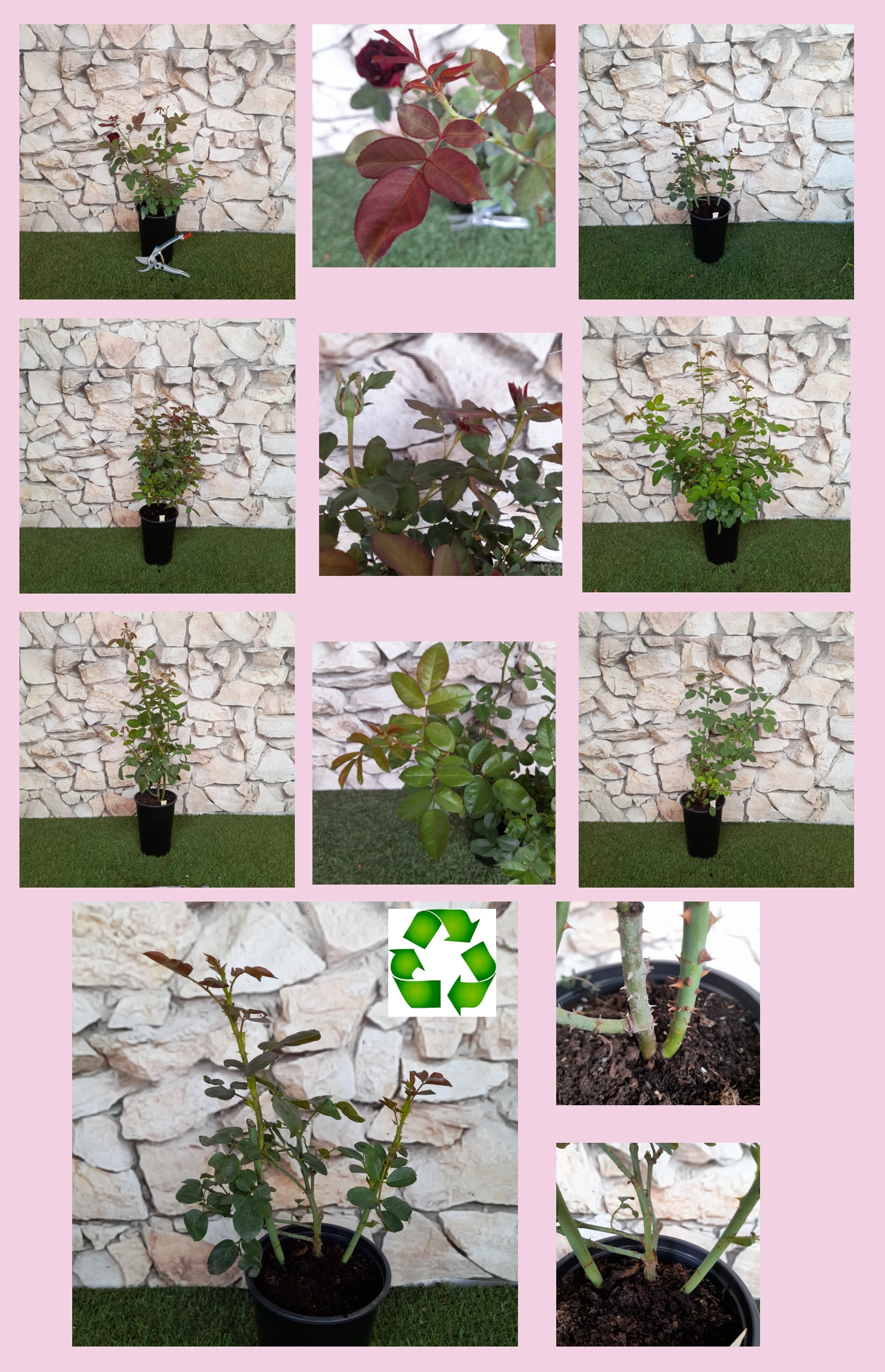
Compact, bushy dwarf shrub reaching 35–45 cm high and 20–30 cm spread, with dense, mid-green, slightly glossy foliage and moderate prickliness, suitable for edging, pots and tight urban planting schemes. |
| Flower morphology |
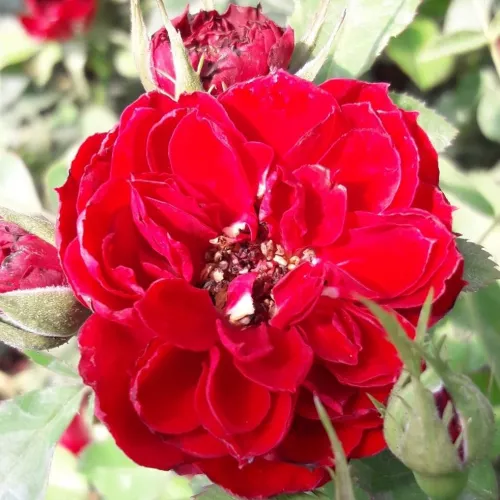
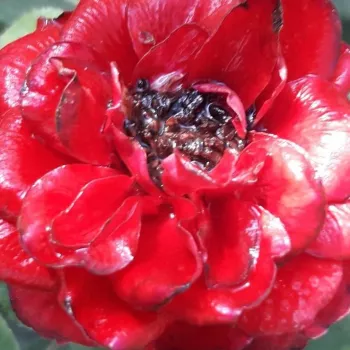
Small, double, cup-shaped blooms (0.5–1.5 in) carried in clusters of 3–10 per stem; 26–39 petals create a full form with good remontant flowering, giving abundant second flushes through the season. |
| Colour data and phenology |
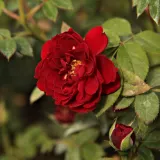
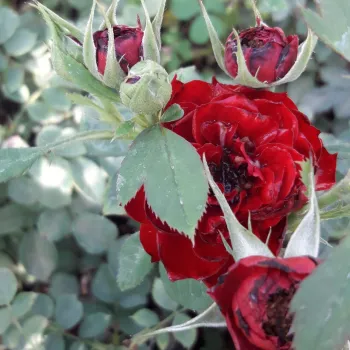
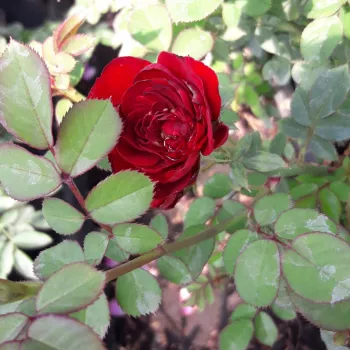
Uniform, velvety dark burgundy blooms (RHS 187A–187B) with faint purplish tones; colour fades very little, often darkening before petals fall, and buds show a striking blackish hue tipped with burgundy. |
| Fragrance and aroma |
No noticeable fragrance; grown for colour and form rather than scent. Double flower structure limits nectar access, so it is mainly ornamental rather than a primary choice for pollinator-focused plantings. |
| Hip characteristics |
Produces hips only occasionally; small, spherical fruits around 5–7 mm across, bright red (RHS 44A), offering modest late-season interest but not a major ornamental or wildlife feature of this cultivar. |
| Resistance and winter hardiness |
Rated RHS H5 and Swedish Zon 1, tolerating down to about -12 °C; moderate resistance to black spot, rust and powdery mildew, with generally good drought tolerance and average heat tolerance in summer. |
| Horticultural recommendations |
Best at 20 cm spacing for edging or mass planting, 35 cm as a small specimen; plant in well-prepared soil or 40–50 litre containers, with routine pruning and occasional plant protection as needed. |
ZENTA offers velvety burgundy colour on a compact, repeat-flowering mini rose that stays shapely for years on its own roots, making it a dependable choice for containers and front gardens you may wish to enjoy and refine over time.