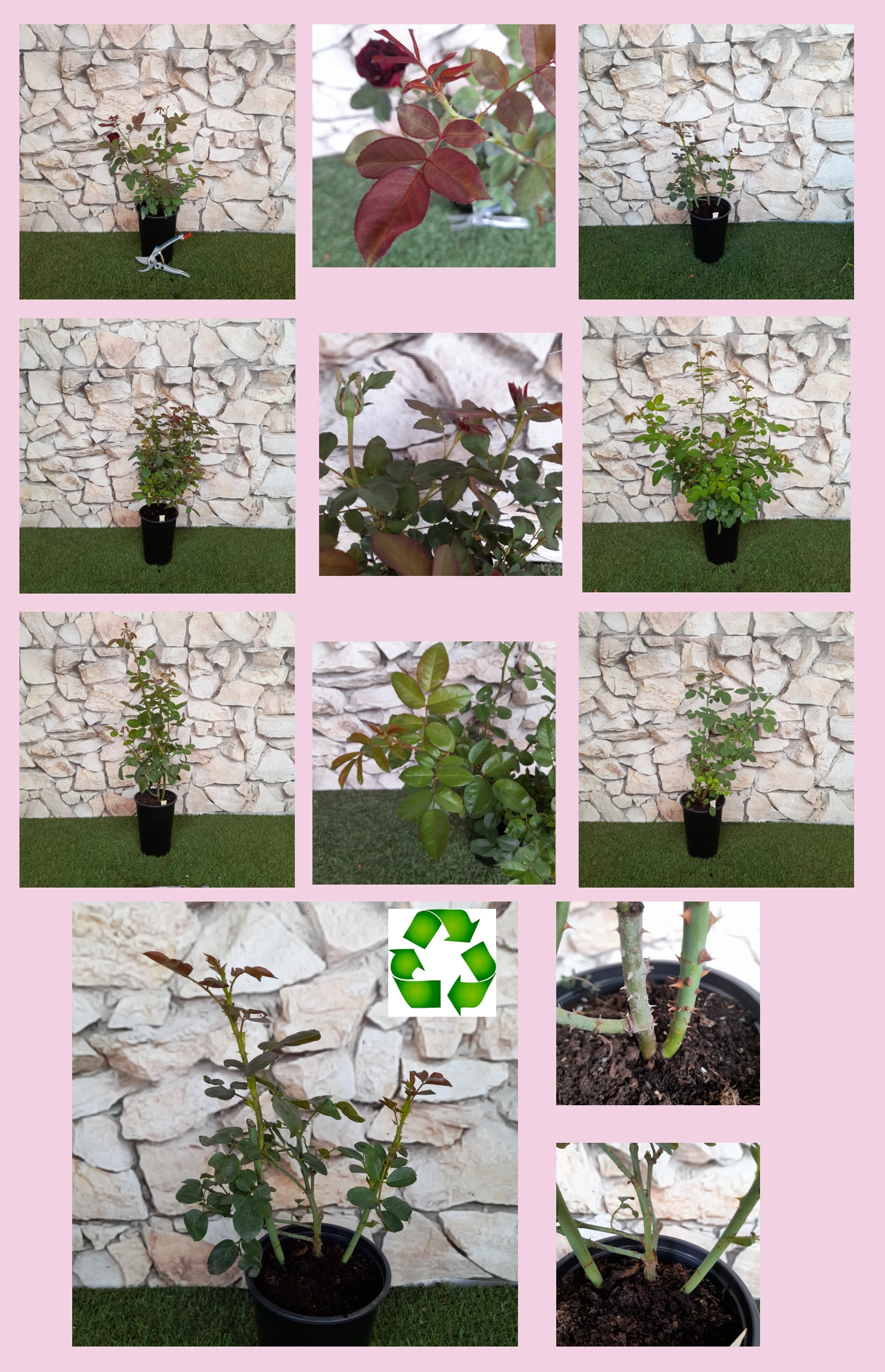
LA PETITE PAIR – cream-coloured bedding floribunda rose - Yamato
Step outside after rainfall and let balance return in the soft, champagne-cream blooms of LA PETITE PAIR, a bushy floribunda bred for everyday ease in the small, hardworking gardens of British terraced homes. Its semi-double flowers invite bees on calmer days, while dense foliage and moderate disease tolerance cope steadily with the UK’s changeable weather and heavy, moisture-holding soils in exposed, breezy sites. Year by year this own-root plant settles, first strengthening roots, then building confident shoots, until by the third season it offers full, long-lived presence with little intervention beyond simple mulching and seasonal pruning. Ideal for rainwater-aware front gardens, it partners beautifully with lavender, sage or nepeta to add pollinator-friendly rhythm along paths and low hedges, giving you calm, repeat-flowering structure from early summer into autumn.
Usage options
| Target area |
Reasoning |
| Front garden flower bed in a London terrace |
Bushy, 100–140 cm shrubs fill narrow beds with cream, cup-shaped clusters, creating gentle privacy without overwhelming a small frontage, while own-root vigour supports a long-lived, low-fuss planting for busy urban beginners |
| Rainwater-friendly mixed border |
Handles moist, heavy UK soils when planted with added grit or compost for drainage, and its moderate disease resistance remains steady in humid, wind-exposed spots, ideal where rainwater is directed into planting for sustainability-minded households |
| Informal low hedge along a path |
Plant at 50 cm spacing to form a softly structured, repeat-flowering line of champagne-cream blooms, providing year-on-year definition without rigid clipping, while own-root plants regenerate well after harder pruning for practical home gardeners |
| Mixed pastel “girly” front-garden scheme |
Warm cream flowers with a faint golden eye pair effortlessly with soft pinks and lilacs, giving a romantic, feminine look that still feels tidy, and the semi-double form adds a relaxed, natural character for style-conscious residents |
| Pollinator-accent planting with herbs |
Semi-double, 13–25 petal blooms offer moderate nectar and pollen access, and work well alongside lavender, sage or nepeta, building a more continuous food source across the season for wildlife-friendly gardeners |
| Family back-garden flower bed |
Medium maintenance: simple winter pruning, occasional pest checks and basic feeding keep the rose flowering from early summer with a generous second flush, suiting those who want results without specialist skills for time-pressed families |
| Feature rose in a large container |
Performs well as a focal shrub in a 40–50 litre pot with good drainage, where its dense foliage and upright habit provide height and colour on patios or balconies, especially when watered using collected rainwater for eco-aware balcony owners |
| Long-term planting in parks or shared spaces |
Hardy to approximately -21 °C, with own-root plants that re-sprout reliably after damage and maintain ornamental value for many years, making it a sensible, enduring choice for community-space planners |
Styling ideas
- Soft-Frontage Border – Combine with lavender and dwarf nepeta in a narrow front bed for a romantic, low-maintenance welcome – ideal for busy terraced-house owners
- Cream-Romance Mix – Weave LA PETITE PAIR among pink shrub roses and airy grasses to create a gentle “girly” palette – perfect for homeowners seeking a calm, feminine look
- Herb-Path Edging – Line a garden path with this rose, interplanted with sage and thyme, for scented, pollinator-helping structure – suited to families using rainwater-fed beds
- Balcony-Statement Pot – Grow a single plant in a 50-litre container with trailing nepeta for soft edges and repeated blooms – great for urban residents short on ground space
- Parkland-Ribbon – Mass-plant in drifts with crocosmia ‘Lucifer’ and late anemones for season-long colour – useful for community gardeners planning robust displays
Technical cultivar profile
| Parameter |
Data |
| Name and registration |
LA PETITE PAIR bedding rose Yamato is a floribunda bed rose used as a shrub rose in gardens; commercial floribunda type, part of a bedding rose collection, sold under verified premium trade naming. |
| Origin and breeding |
Bred by Yamato at Yamato Rose Garden, Japan, with unknown parentage; introduced and registered in 2011 by Keihan Selection, representing contemporary Japanese floribunda breeding. |
| Growth and structural characteristics |
Bushy shrub, around 100–140 cm tall and 65–95 cm wide, with dense, mid-green, slightly glossy foliage and moderate prickles; creates a substantial, upright presence in beds and borders. |
| Flower morphology |
Semi-double, cup-shaped blooms with 13–25 petals in clusters; large flowers around 7–10 cm, repeat-flowering with a generous second flush that maintains display well into late season. |
| Colour data and phenology |
Warm champagne-cream flowers with subtle beige and golden tones; buds open light cream, then fade through pale cream to near ivory-white, with very good colour retention in garden conditions. |
| Fragrance and aroma |
Noticeable, medium-strength scent with fruity notes, adding olfactory interest along paths and seating areas; fragrance is evident in mild, still weather without being overpowering indoors. |
| Hip characteristics |
Forms moderately abundant, spherical orange-red hips, around 6–10 mm, extending interest into autumn and offering potential seasonal food and colour in less formally deadheaded plantings. |
| Resistance and winter hardiness |
Moderate resistance to powdery mildew, black spot and rust under average garden care; hardy to around -21 to -18 °C (RHS H7, USDA 6b), suitable for most UK climates with normal precautions. |
| Horticultural recommendations |
Suited to beds, borders and parks at 50–90 cm spacing; prefers well-drained but moisture-retentive soil, regular mulching and occasional pest control; own-root plants respond well to renewal pruning. |
LA PETITE PAIR offers long-lived, repeat cream flowering with moderate care needs, combining hardy, own-root resilience with gentle fragrance and compact structure, making it a thoughtful choice for enduring urban and family gardens.