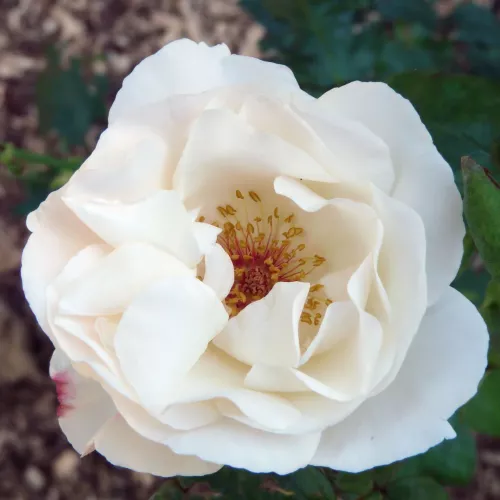
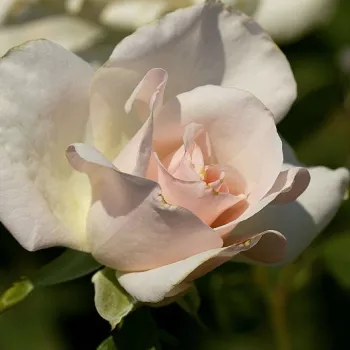
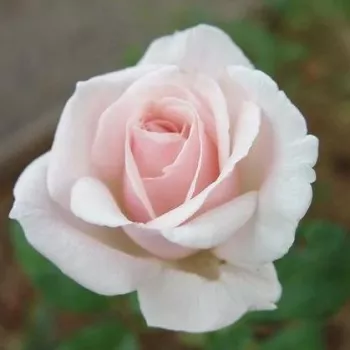
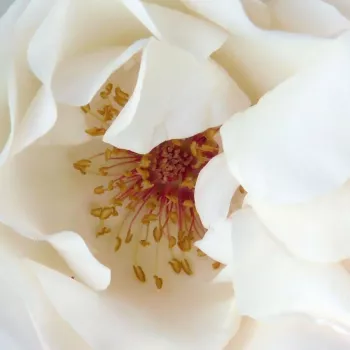
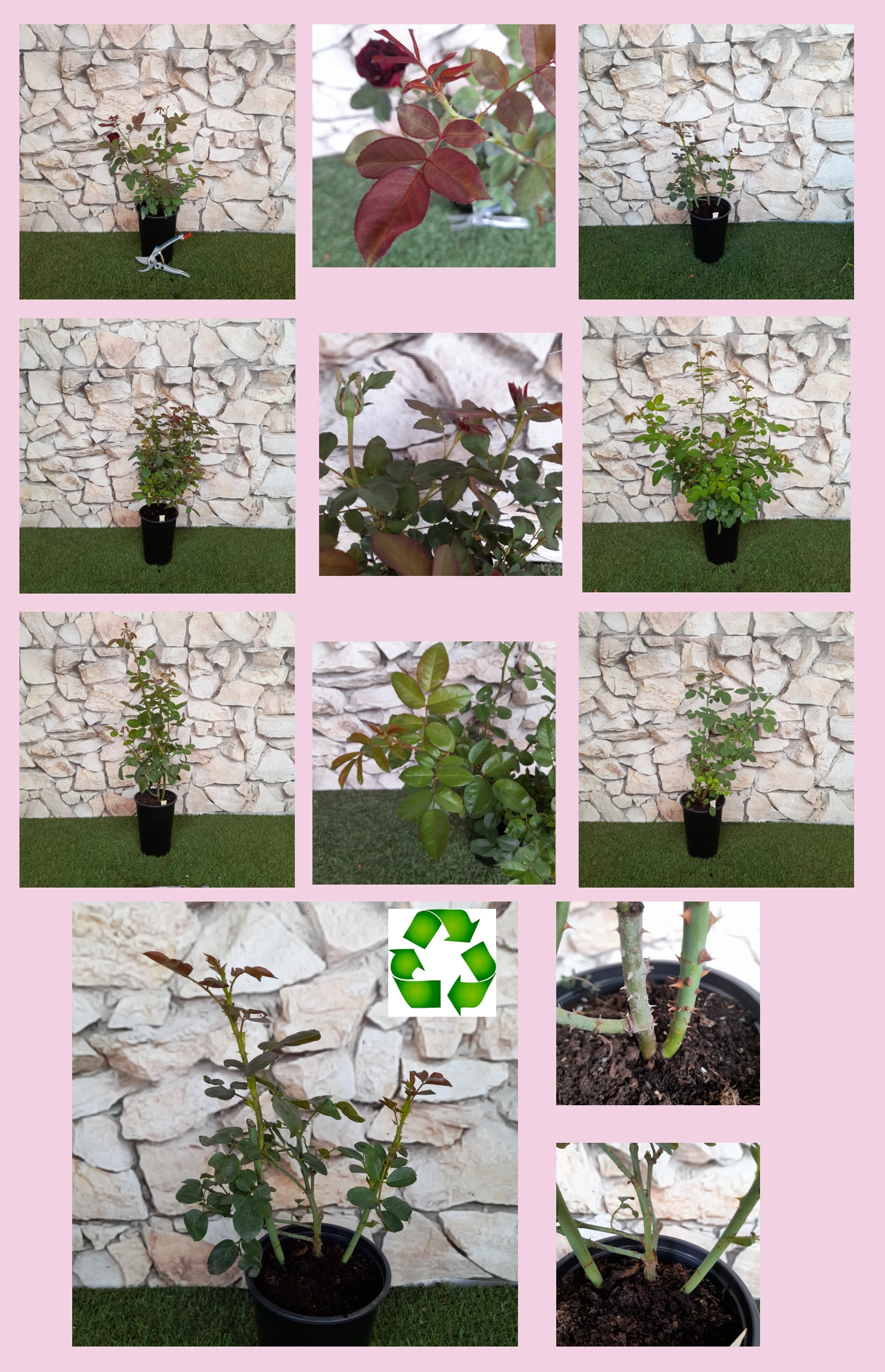
WHITE QUEEN ELIZABETH – white bedding floribunda rose
Step into the calm of a London front garden after rain, where white blooms rise above glossy green foliage and reflect soft evening light; this upright floribunda brings reliable structure and medium-height screening, while its medium care needs remain manageable for busy families. Bred in the UK as a sport of the classic ‘Queen Elizabeth’, it offers graceful, high-centred, cut-rose blooms for vases as well as generous clusters for flowerbeds, with a gently tea-scented fragrance that suits small urban spaces. Own-root planting supports long-lived, stable plants that regenerate well after pruning, particularly valuable where heavier soils meet frequent showers and you want roses that cope confidently with cool, damp weather. Over time, the root system and top growth mature in a steady arc, with year one focused on roots, year two on taller shoots, and year three revealing its full ornamental value in a balanced, sustainable garden.
Usage options
| Target area |
Reasoning |
| Front garden bedding strip |
The upright habit and dense foliage give instant structure along paths and low railings, while repeat white flowering keeps a small front garden bright and formal-looking with modest deadheading, suiting busy urban beginners. |
| Feature shrub near the front door |
As a single specimen, its tall, columnar outline and high-centred flowers create a welcoming focal point that stays visually tidy with simple annual pruning and occasional disease checks, ideal for time-poor homeowners. |
| Mixed white-and-pastel border |
Crystal-white blooms that soften to creamy tones blend easily with lavender, nepeta or pale perennials, giving a calm, “girly” palette that still looks composed on overcast days, appealing to romantic city gardeners. |
| Cutting corner for home bouquets |
Large, high-centred flowers on straight stems echo traditional florists’ roses, so a few plants provide regular, scented stems for vases without specialist care, perfect for home flower enthusiasts. |
| Low, formal rose hedge |
Planted in a row, its matching height and upright growth form a neat, semi-formal boundary that is easier to maintain than clipped shrubs yet still offers seasonal privacy, attractive for orderly front gardens. |
| Rain-conscious urban planting strip |
In narrow beds where downpipes or paving shed water, deep own-root plants handle fluctuating moisture more steadily, pairing well with mulching and good drainage for sustainable front gardens sought by eco-aware residents. |
| Large container on balcony or patio |
In a 40–50 litre pot with peat-free compost and regular watering, a single plant brings height, fragrance and summer-long flower clusters within arm’s reach of seating, well suited to balcony and patio owners. |
| Family garden focal point with perennials |
Combining this rose with tough companions like sage, catmint or ornamental grasses adds movement and colour while its medium maintenance suits those learning routine care, encouraging new hobby gardeners. |
Styling ideas
- Terraced-elegance – Line a narrow front bed with WHITE QUEEN ELIZABETH underplanted with soft lavender; the vertical white blooms lift brick façades – ideal for design-conscious terrace owners.
- Pastel-border – Mix with pale pink salvias, nepeta and white gaura for a frothy, feminine look that still reads tidy from the pavement – perfect for those who favour subtle, romantic planting.
- Monochrome-focus – Pair one specimen with dark slate pots and clipped box or low yew to highlight the pure white flowers and glossy foliage – suited to fans of crisp, architectural schemes.
- Gravel-harmony – Plant among ornamental grasses such as Panicum ‘Sangria’ and drought-tolerant herbs in a free-draining gravel strip to combine movement with classic roses – great for low-lawn, sustainable front gardens.
- Cutting-nook – Dedicate a sunny corner with three to five plants in a staggered group, edged with catmint, to give a steady supply of fragrant stems – attractive for those who love arranging home-grown flowers.
Technical cultivar profile
| Property |
Data |
| Name and registration |
WHITE QUEEN ELIZABETH is a floribunda / Hybrid Tea bed rose; registered and introduced in 1965, with the American Rose Society exhibition name and current trade name both recorded as White Queen Elizabeth. |
| Origin and breeding |
A sport of the renowned ‘Queen Elizabeth’, bred by Banner in the United Kingdom and introduced in 1965; detailed breeding company data are unavailable, but the type and lineage match classic mid-20th-century floribundas. |
| Growth and structural characteristics |
Upright shrub reaching around 130–170 cm high and 100–140 cm wide, with dense, dark green, glossy foliage and moderate prickliness; benefits from deadheading to stay neat, forming a tall, structured bedding or specimen rose. |
| Flower morphology |
Large, double, high-centred flowers with 26–39 petals, often borne in clusters on long stems; strongly reminiscent of cut-rose forms yet repeating well, with abundant second flush flowering through the main season. |
| Colour data and phenology |
Petals open crystal white with a pearly sheen, coded RHS 155D–155C; in bloom they remain predominantly white, lightly shading to creamy white with occasional soft pink in inner petals, maintaining a clean, luminous garden effect. |
| Fragrance and aroma |
Noticeable, medium-strength fragrance with a soft, classic tea character; scent is most apparent in still, mild conditions and makes the variety rewarding near seating areas or paths where flowers are regularly passed. |
| Hip characteristics |
Rose hip formation is usually sparse, with small egg-shaped hips around 10–14 mm across, turning orange-red when present; ornamental impact from hips is limited, so the variety is chiefly valued for its repeat flowering. |
| Resistance and winter hardiness |
Rated hardy to about −26 to −23 °C (RHS H7; Swedish Zone 4; USDA 5b), with moderate resistance to black spot, powdery mildew and rust; benefits from good air movement, regular hygiene and balanced watering during dry spells. |
| Horticultural recommendations |
Best in sunny positions with well-drained soil; medium maintenance with routine deadheading and occasional disease control. Recommended spacings vary from 110–180 cm depending on hedge, bed or specimen use, at roughly 0.7–0.8 plants/m². |
WHITE QUEEN ELIZABETH offers tall, luminous white flowers with gentle fragrance from a resilient, own-root plant that matures gracefully over years, an assured choice if you wish to add lasting elegance with modest care.