WEKSTEPHITSU – purple bedding shrub rose
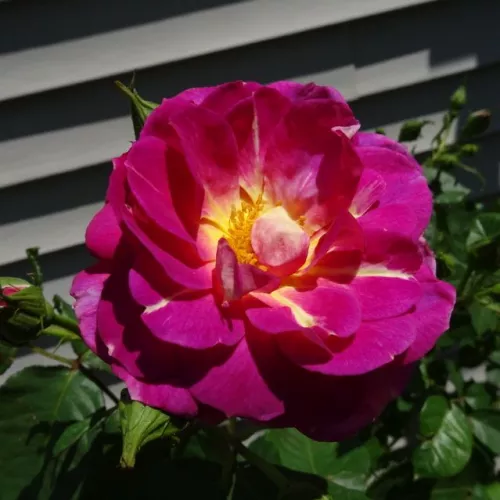
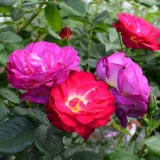
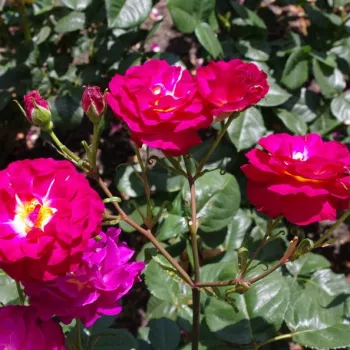
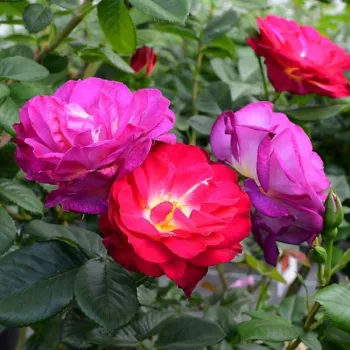
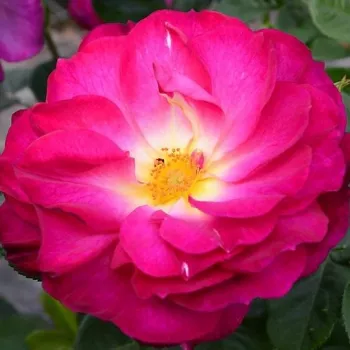
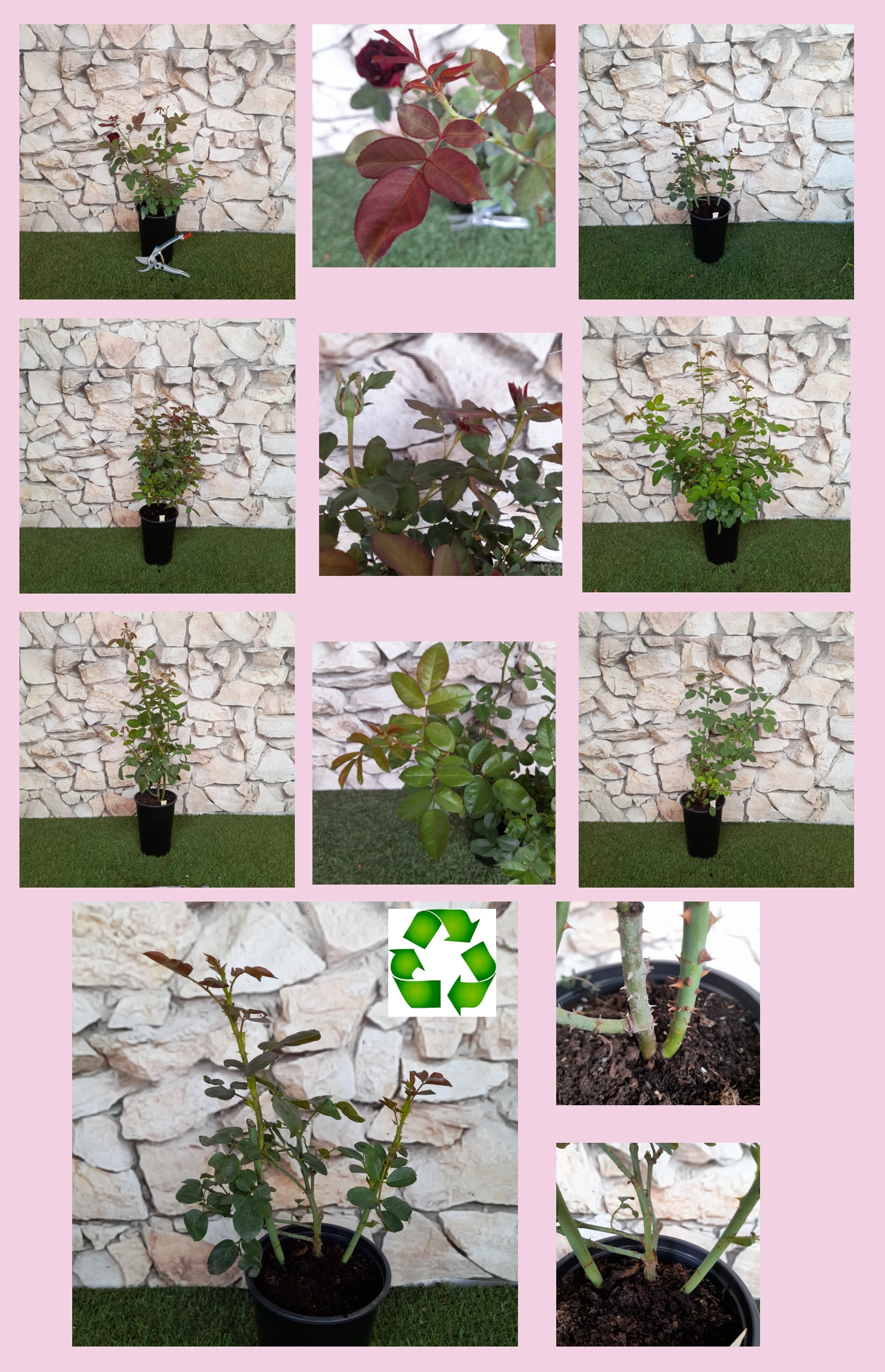
Step onto your small London front path after rain and breathe in the fragrance of WEKSTEPHITSU: a richly scented, own‑root bedding shrub rose bred for resilience, long life and stress‑free care. Large, cupped clusters in changing shades of crimson, magenta and lavender bring a subtly “girly” romantic touch without feeling fussy, suiting contemporary, rainwater‑friendly planting where good drainage helps on heavier soils and windy plots. Bushy and upright yet compact enough for average family gardens, it offers a long season of repeat flowers that age to misty lavender‑blue, creating depth against mid‑green, slightly glossy foliage. Thoughtful breeding and the practical own‑root form support a long‑term, sustainable investment: if stems are ever damaged, the plant regenerates true to type, maintaining its character, and over roughly three years it progresses from root establishment to stronger shoots and then full ornamental impact.
Usage options
| Target area |
Reasoning |
| Front garden feature by the path |
The powerful spicy rose scent carries on damp evenings, so a single shrub near the front gate or doorstep makes every arrival feel special with little effort beyond basic pruning and feeding, appealing to the busy city homeowner. |
| Low, loose flowering hedge |
Planted at 100 cm intervals, its bushy 120–180 cm height creates a soft, informal boundary that flowers repeatedly, giving privacy and colour with less clipping than many traditional hedges, ideal for a relaxed family garden. |
| Bedding blocks in small urban gardens |
At roughly 100–140 cm spread, groups at the recommended density quickly knit together into a colourful, weed‑suppressing bed, reducing maintenance while delivering a long flowering window valued by time‑pressed beginners. |
| Rainwater‑aware planting on heavier soils |
Well‑prepared, free‑draining planting pockets allow the deep roots to cope with wet spells and coastal winds, supporting sustainable use of rainwater without resorting to thirsty, high‑input bedding, reassuring environmentally‑minded gardeners. |
| Large containers on patios or balconies |
In a 40–50 litre peat‑free container with regular watering and feeding, its upright, bushy habit and repeat blooms provide a long‑season focal point, particularly suited to compact paved spaces favoured by urban flat dwellers. |
| Colour‑themed “girly” front gardens |
The shifting magenta, crimson and lavender tones layer beautifully with soft pinks and purples, creating a playful yet grown‑up scheme that feels welcoming rather than formal, attractive to those seeking a subtly feminine aesthetic. |
| Scent‑led seating and contemplation areas |
The very strong, garden‑filling fragrance rewards placing a bench or small bistro set nearby, where you can pause and enjoy the aroma without extra work, perfectly matching those who prize sensory value over complex horticulture. |
| Long‑term, low‑input family planting |
The hardy, disease‑resistant, own‑root shrub is designed to settle in and improve year after year with modest pruning, feeding and mulching, offering a stable, long‑lived feature that suits long‑term‑thinking household planners. |
Styling ideas
- Evening-Entrance – Pair WEKSTEPHITSU with lavender and soft path lighting so the scent greets you as you come home – ideal for commuters wanting an effortless welcome.
- Soft-Hedge – Create a loose hedge with alternating nepeta and sage to blur boundaries and attract life – suited to families who favour informal structure over rigid fencing.
- Balcony-Statement – Grow one plant in a 50 litre container with trailing thyme and heucheras at the base – perfect for renters seeking maximum impact in limited space.
- Girly-Blend – Underplant with pale pink salvias and airy grasses to echo the shifting magenta-to-lavender flowers – appealing to those after a romantic yet contemporary frontage.
- Calm-Corner – Position near a simple bench with shade-tolerant groundcovers, letting the fragrance define a quiet nook – for anyone wanting a reflective, low-maintenance retreat.
Technical cultivar profile
| Property |
Data |
| Name and registration |
Shrub rose, commercial bed rose type; registered as WEKstephitsu, traded as Outta The Blue™ and WEKSTEPHITSU – purple bedding shrub rose; ARS exhibition name Outta The Blue™. |
| Origin and breeding |
Bred by Tom Carruth (USA), introduced by Weeks Wholesale Rose Grower, Inc. in 2000; parentage Stephens’ Big Purple × [International Herald Tribune × 79520‑B6]. |
| Growth and structural characteristics |
Bushy shrub 120–180 cm high and 100–140 cm wide, moderately thorny; dense mid‑green, slightly glossy foliage; no specific self‑cleaning data currently documented. |
| Flower morphology |
Large, double, cupped blooms with 26–39 petals, borne in clusters; remontant habit with particularly abundant second flush, ensuring extended seasonal display in beds and borders. |
| Colour data and phenology |
Dark crimson buds open magenta‑purple with golden‑yellow bases, then fade through lavender to pale lavender‑blue; RHS 74A outer, 75C inner; colour retention moderate with attractive transitional tones. |
| Fragrance and aroma |
Very strong, garden‑filling scent with spicy, classic rose notes; ideal for scent‑focused plantings near entrances, paths and seating, where air movement can carry fragrance through the space. |
| Hip characteristics |
Produces moderate quantities of small, red, egg‑shaped hips, around 10–14 mm diameter; hips add subtle late‑season interest without significantly detracting from overall flowering performance. |
| Resistance and winter hardiness |
Rated hardy to about −26 to −23 °C (RHS H7, USDA 5b, Swedish Zone 4); resistant to black spot and powdery mildew, with moderate rust susceptibility requiring occasional monitoring in humid years. |
| Horticultural recommendations |
Low maintenance shrub needing routine pruning, mulching and feeding; plant 100–110 cm apart for hedging or beds, up to 180 cm as specimens; suitable for well‑drained soils in average UK gardens. |
WEKSTEPHITSU offers richly scented, colour-shifting blooms, reliable repeat flowering and a durable own-root structure for long-term, low-effort enjoyment, making it a thoughtful choice for your next family garden planting.