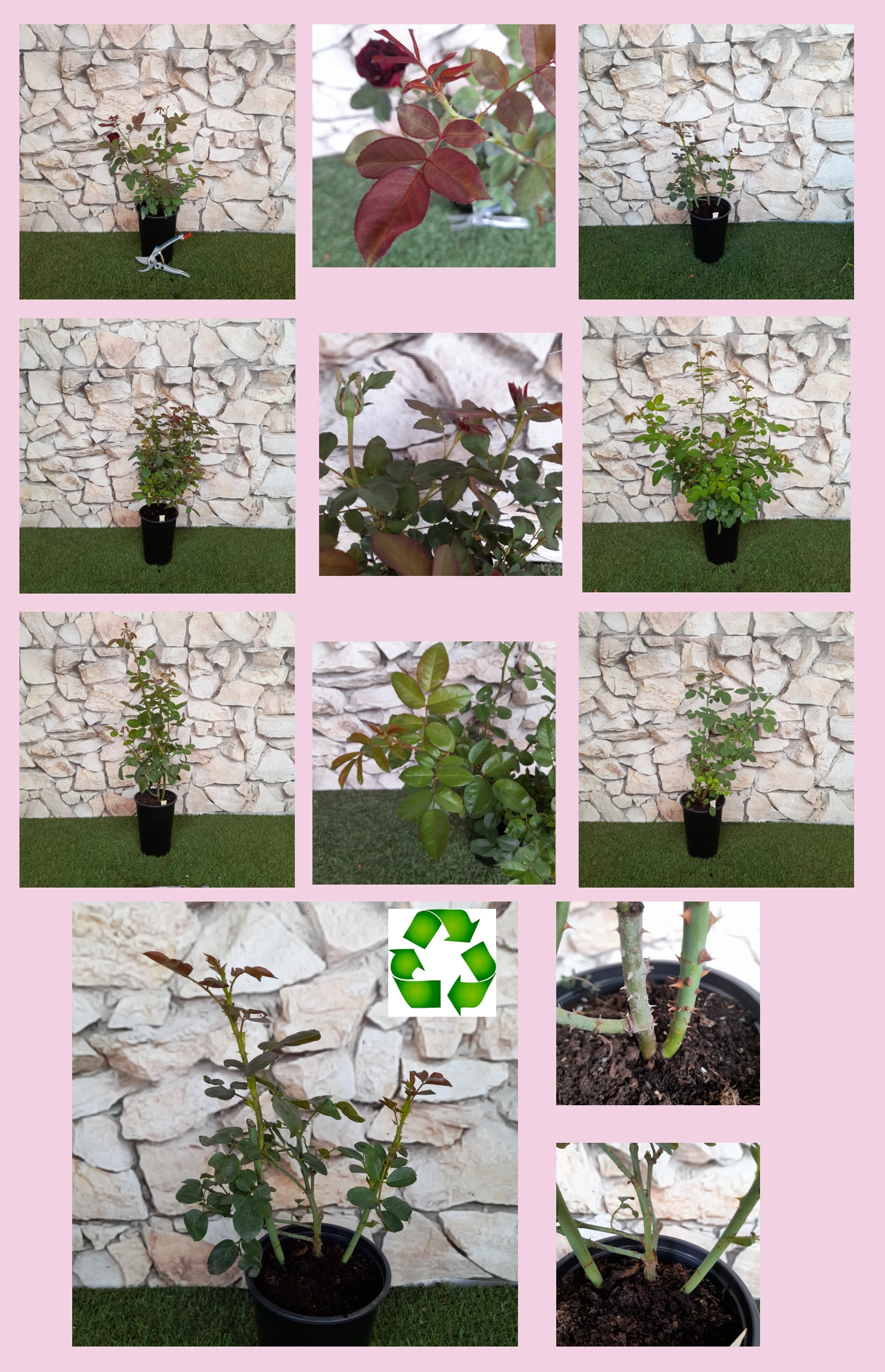
SENLITSU – pink hybrid tea rose – Kunieda
Imagine stepping out after rain into a small front garden where pastel blooms feel like a gentle melody. SENLITSU is a refined hybrid tea rose bred in Japan, now offered as an own-root 2‑litre plant that settles reliably into everyday family spaces. Its cupped, pale-pink flowers unfurl in soft harmony, with a faint lavender tinge that gains depth in cooler spells, bringing a sense of calm balance to compact London terraces as well as suburban plots. With good disease resistance and an upright, space-saving habit, it suits narrow borders and rainwater‑fed beds where drainage has been thoughtfully improved for heavier UK soils exposed to wind and rain. The mild, harmonious fragrance is never overpowering, so it works close to doors and windows, while its long flowering season offers reliable colour from early summer onwards. As an own‑root rose, SENLITSU is bred for quiet longevity, building roots in year one, stronger framework in year two and a fully developed ornamental presence by year three, helping you grow a resilient, low‑input, sustainable garden feature.
Usage options
| Target area | Reasoning |
|---|
| Small London front garden border |
The upright, compact habit (around 80–110 cm) fits narrow, street-facing beds without overwhelming paving or pathways, while the repeat-flowering hybrid tea blooms give a smart, welcoming look for busy urban homeowners |
| Feature rose in a 40–50 litre container |
In a generous, well-drained pot of at least 40–50 litres, SENLITSU’s long-stemmed, cupped blooms can be enjoyed at eye level by the front door, with its own-root vigour supporting long-term structure for container-based beginners |
| Low-maintenance mixed bed in family garden |
Good resistance to black spot, mildew and rust means less spraying and fuss, so it blends well with perennials in a family bed where you want reliable flowers but limited weekend time for plant health conscious |
| Rainwater-conscious urban planting strip |
Works well in a narrow, improved-soil strip where careful planting and simple mulching help manage frequent UK rain and wind exposure in front-of-house schemes for sustainably minded city gardeners |
| Cutting patch for home bouquets |
Large, very double, long-stemmed flowers are ideal for cutting, giving elegant, pastel pink arrangements from your own plot, with remontant flushes supplying stems across the season for creative home florists |
| Calm, pastel-focused seating corner |
The soft light-pink to powder-lilac tones and mild fragrance create a soothing visual and aromatic backdrop around a small bench or bistro set, giving a restful mood in compact spaces for relaxation-seeking residents |
| Structured rose-and-perennial scheme |
An upright, dense framework with slightly glossy dark green foliage provides vertical rhythm between looser perennials, helping to anchor the design and maintain structure through the season for design-aware hobbyists |
| Long-term own-root investment planting |
As an own-root rose, SENLITSU can regenerate from its base, supporting a long lifespan and stable shape, rewarding patient gardeners who value plants that mature gracefully over many years for future-focused planners |
Styling ideas
- Pastel Frontage – Pair SENLITSU with soft grey foliage and low grasses in a slim front border to echo its delicate pink tones – ideal for terrace-house owners wanting gentle kerb appeal.
- Balcony Focus – Grow it in a 50 litre container with trailing Campanula poscharskyana for a romantic spill of blue around structured pink blooms – suited to urban dwellers with limited ground space.
- Calm Retreat – Combine with lavender, nepeta and pale salvias to underline its soothing colour and fragrance for a quiet reading nook – appealing to those seeking a serene evening corner.
- Elegant Cutting Row – Plant a short line of SENLITSU along a sunny path to harvest straight-stemmed blooms for vases indoors – perfect for home florists who love seasonal arrangements.
- Structured Mix – Weave it through a mixed bed with clematis and upright perennials, using its dense foliage and vertical form as a repeating accent – good for gardeners wanting easy but ordered design.
Technical cultivar profile
| Parameter | Data |
|---|
| Name and registration |
Hybrid tea rose cultivar marketed as SENLITSU – pink hybrid tea rose – Kunieda; meaning “melody” in Japanese; part of the hybrid tea rose group, used both in gardens and for cutting. |
| Origin and breeding |
Second-generation bud mutation selected from ‘Yūzen’, bred by Keiji Kunieda of Rose Farm Keiji in Shiga Prefecture, Japan; introduced via the Wabara brand in 2018 after development from 2011. |
| Growth and structural characteristics |
Upright hybrid tea with dense, dark green, slightly glossy foliage; height around 80–110 cm, spread 50–70 cm; moderately thorny stems; spent blooms persist unless removed for tidiness and repeat performance. |
| Flower morphology |
Large, cup-shaped, very double flowers with over 40 petals; mainly solitary on stems; strong remontant character, with a generous second flush providing hybrid tea blooms suitable for both garden display and cutting. |
| Colour data and phenology |
Delicate light-pink blooms with subtle lavender tinge; ARS LP, RHS 65C and 76D; colour deepens in cool conditions and lightens in heat; transitions from creamy pale pink buds to uniform pastel pink at full bloom. |
| Fragrance and aroma |
Mild, harmonious rose fragrance, present but understated, making it suitable near seating and doorways; valued primarily for visual effect rather than intense scent, with a consistently pleasant aromatic impression. |
| Hip characteristics |
Moderate set of small, spherical orange-red hips, about 10–14 mm; appear in autumn if flowers are not deadheaded; provide subtle ornamental interest and seasonal variation in more relaxed maintenance schemes. |
| Resistance and winter hardiness |
Good overall health with resistance to powdery mildew, black spot and rust; tolerates summer heat if watered in long dry spells; hardy to around −21 to −18 °C (RHS H7, USDA 6b, Swedish zone 3). |
| Horticultural recommendations |
Best in sunny sites with well-drained soil; suitable for beds, hedging rhythm or large containers; low maintenance, though deadheading improves repeat; plant 40–80 cm apart depending on mass effect or specimen use. |
SENLITSU offers soft, repeat-flowering pastel blooms, reliable disease resistance and long-term own-root resilience, making it a thoughtful choice for compact gardens and containers where you value enduring, easy-care beauty.