Mancera hybrid tea rose – pharmaROSA® ORIGINAL 2-litre own-root
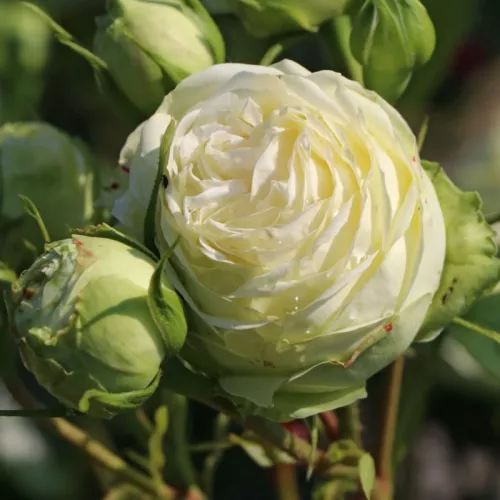
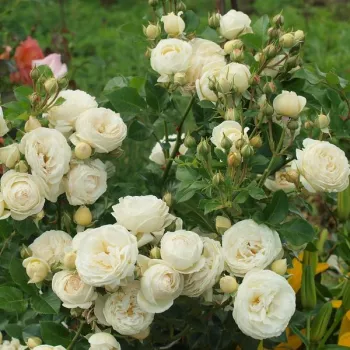
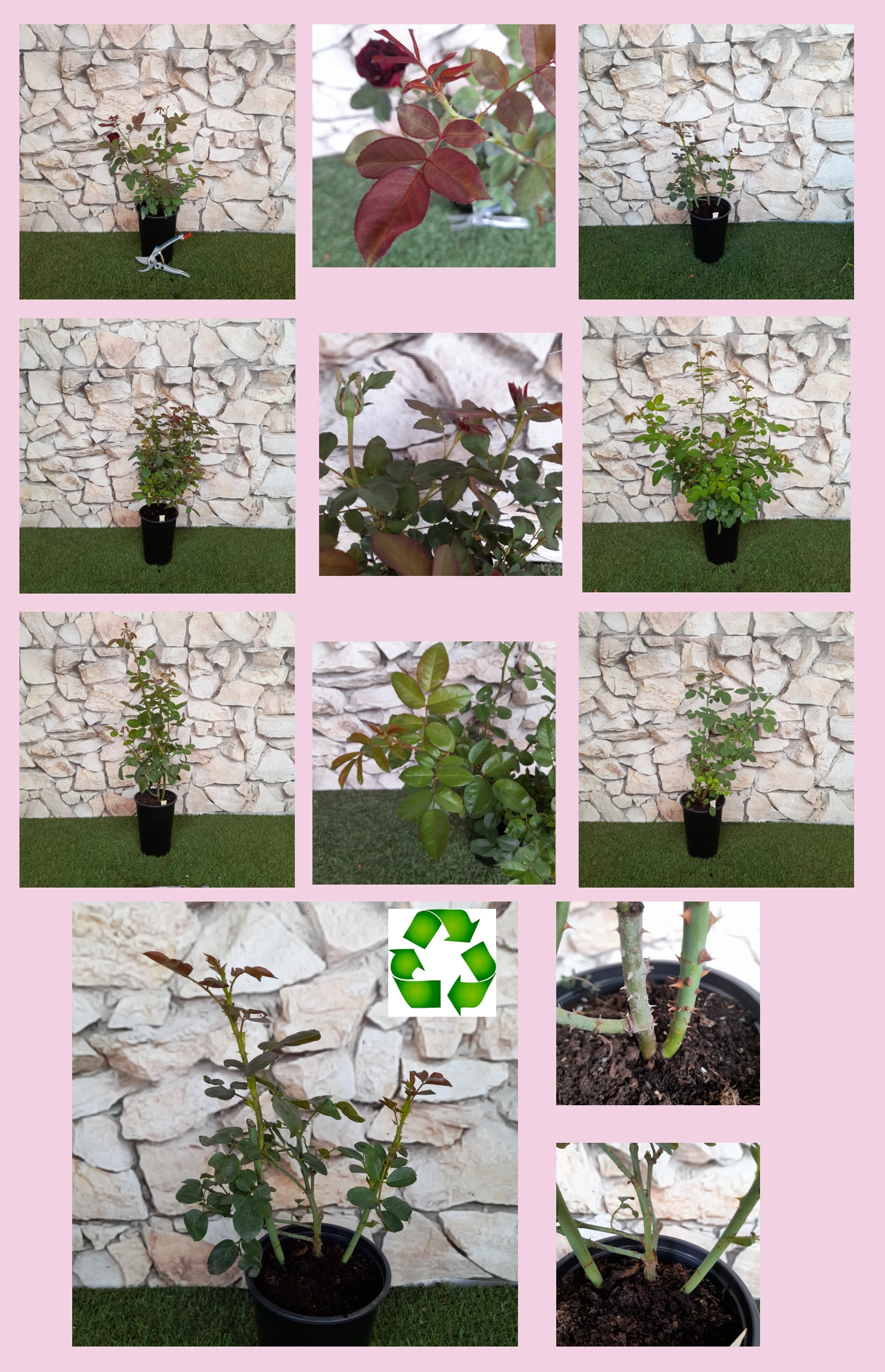
Step out to your front garden after rain and breathe in the fragrance of ‘Mancera’, a cream‑coloured hybrid tea rose that lends a sense of balance to compact, rainwater‑friendly urban spaces. Its upright yet bushy habit and softly lemon‑cream blooms bring quiet elegance to London terrace front gardens, coping reliably even where soils are heavy and need careful attention to drainage. Bred for strong hardiness and modern disease resistance, this own‑root rose is designed for long life, regrowing steadily from the base if ever cut back hard. In a 2‑litre pot it establishes cleanly, with Year 1 focused on roots, Year 2 on building shoots, and around Year 3 delivering its full ornamental presence of scented flowers from late spring to autumn.
Usage options
| Target area |
Reasoning |
| Front garden focal point |
Use ‘Mancera’ as a single specimen by the path or front door for a welcoming, long‑lasting display of scented cream blooms. Its strong disease resistance and low maintenance needs suit busy urban gardeners |
| Small hedge or boundary line |
Plant at 55–65 cm intervals along a front boundary for a neat, upright flowering line. The bushy growth and good hardiness give a stable, long‑lived structure that needs only basic annual pruning for beginner gardeners |
| Rainwater‑aware urban bed |
Combine with permeable surfaces and gravel mulches around the base to slow and spread rainfall; ‘Mancera’ is happy in these conditions when the soil is improved for better drainage, making it useful for sustainability‑minded homeowners |
| Large container on patio or balcony |
In a 40–50 litre or larger pot with peat‑free compost, this rose forms a compact, fragrant feature that is easy to water with saved rainwater. Own‑root growth gives long service life compared with short‑term gift roses for space‑conscious city dwellers |
| Low‑care mixed border |
Its low intervention needs and reliable remontant flowering make it ideal among perennials and ornamental grasses. Good disease resistance keeps the foliage attractive without complex spray routines, suiting time‑pressed householders |
| Clay or chalky family garden |
With modest preparation to improve structure and drainage, ‘Mancera’ performs well in heavier or lime‑rich soils common in many UK gardens, giving a dependable, hardy presence for practical home gardeners |
| Long‑term structural planting |
As an own‑root plant, the shrub slowly thickens from the base, can regenerate if cut back after damage, and maintains ornamental value over many years, ideal for those planning a durable scheme for long‑view garden planners |
| Scented seating area |
Place near a bench or evening seating spot to enjoy its strong, sweet‑fruity perfume with a subtle peppery note all summer. Clustered blooms on long stems give repeated flushes of fragrance around eye level for relaxed outdoor loungers |
Styling ideas
- Vanilla-cream welcome – Line a short front path with ‘Mancera’ and soft grey gravel, underplanting with low nepeta for a calm, scented entrance – ideal for busy urban families
- Elegant contrast – Pair the creamy blooms with deep purple sage or lavender in a narrow bed to highlight the rose’s subtle colour shifts – suited to terrace-house front gardens
- Grasses and glow – Mix ‘Mancera’ with Hakonechloa and other fine grasses for a gentle, movement-filled scheme that stays attractive beyond flowering – for design-conscious minimalists
- Romantic cream hedge – Create a low hedge along railings, backed by evergreen shrubs, to give year-round structure and summer flowers – perfect for traditional-style homeowners
- Balcony feature – In a generous 50-litre container, combine ‘Mancera’ with trailing thyme and compact nepeta for scent and soft edges – great for small-space balcony gardeners
Technical cultivar profile
| Property |
Data |
| Name and registration |
Hybrid tea rose from the Mancera line, sold as Mancera hybrid tea rose pharmaROSA®; part of the Hybrid Tea group, marketed within the pharmaROSA® ORIGINAL 2-litre own-root range for garden use. |
| Origin and breeding |
Discovered and selected by PharmaRosa® in Germany around 2010, introduced by PharmaRosa® Ltd. (Hungary); parentage is unknown, but breeding focuses on robustness and garden reliability rather than exhibition use. |
| Growth and structural characteristics |
Bushy, upright shrub reaching about 95–130 cm high and 80–110 cm wide, with moderately dense, glossy mid-green foliage and moderate thorns, forming a solid, balanced shape in mixed borders or as a low hedge. |
| Flower morphology |
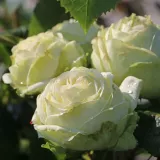
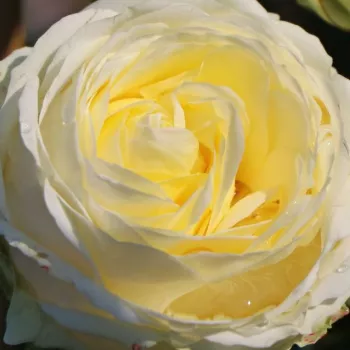
Large, double, rosette-shaped blooms, typically 26–39 petals, borne mostly in clusters of three to five per stem; flowers repeat well with a generous second flush, giving a long season of ornamental interest in the garden. |
| Colour data and phenology |
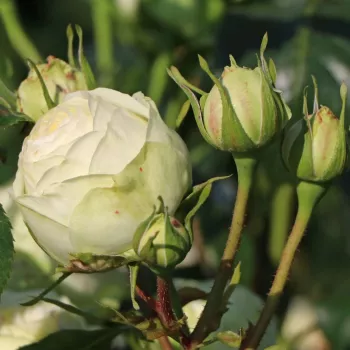
Soft lemon-cream centre opening from greenish-white buds, fading through greenish cream to pale cream with slightly beige edges; colour holds well overall, with individual flowers ageing gracefully without abrupt discolouration. |
| Fragrance and aroma |
Strong, long-lasting fragrance with a sweet-fruity, classic rose character and a subtle peppery note in the background, noticeable at close range and suitable for positioning near paths, doors or seating areas to enjoy the scent. |
| Hip characteristics |
Produces small numbers of hips, typically rounded and about 10–16 mm across; hips are incidental to the display and do not usually dominate the plant’s appearance in autumn or winter in normal garden settings. |
| Resistance and winter hardiness |
Rated hardy to approximately −26 to −23 °C (RHS H7, USDA 5b, Swedish zone 4), with good resistance to powdery mildew, black spot and rust, helping to keep foliage healthy with minimal intervention in typical UK gardens. |
| Horticultural recommendations |
Plant at 55–65 cm spacing for hedging and 100 cm for specimens; prefers improved soil with good drainage, regular watering in the first season, and standard winter pruning to maintain shape and flowering performance. |
Mancera hybrid tea rose pharmaROSA® offers strong fragrance, bushy structure and reliable disease resistance in a long-lived own-root form; a thoughtful choice if you want enduring elegance with modest care.