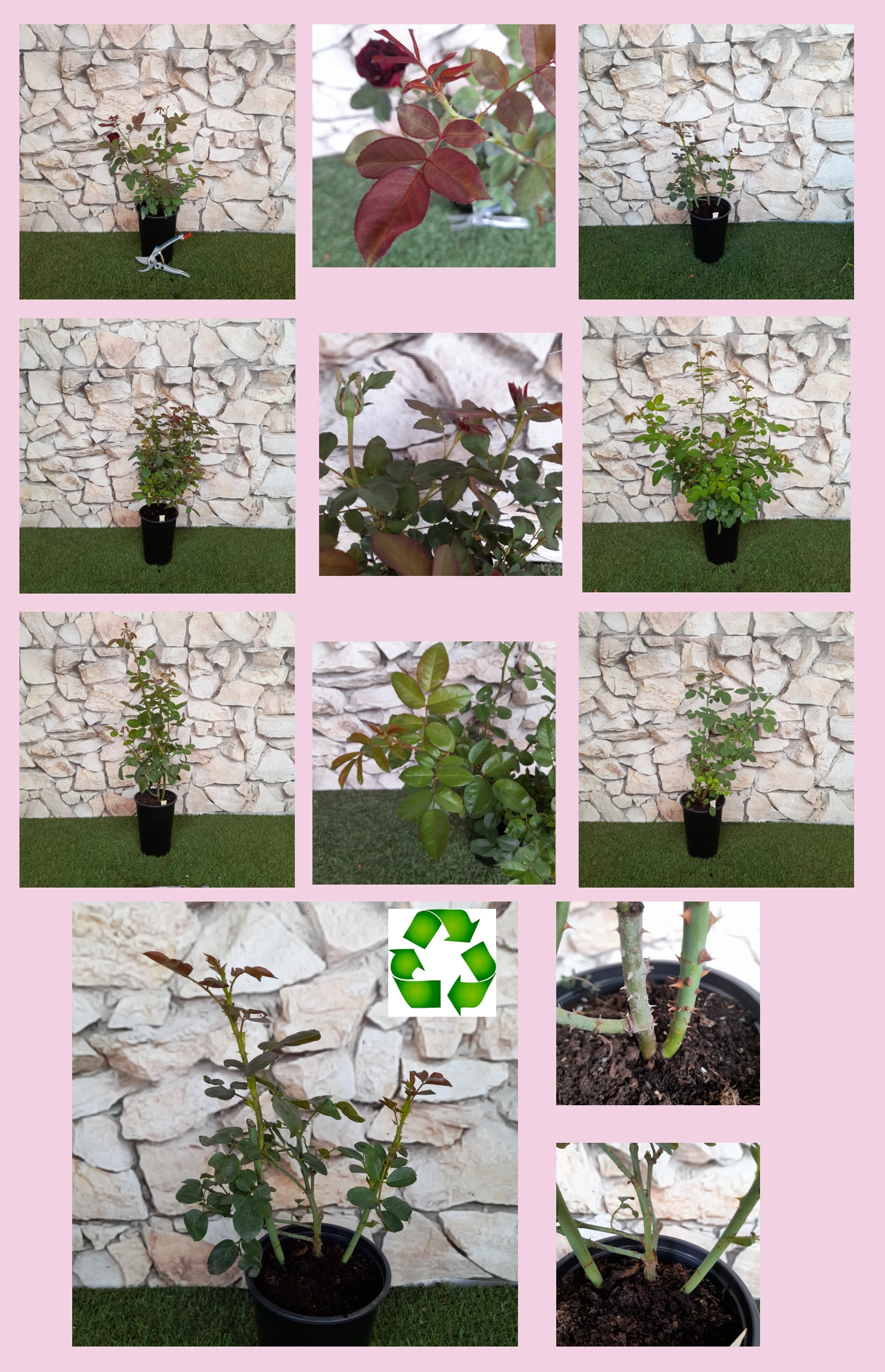
VIOLET VALEDA – violet-purple landscape shrub rose - De Ruiter
Step out to your front garden after rain and meet Violet Valeda: a compact, rugosa-inspired shrub rose whose single, cool-toned purple blooms glow against glossy dark foliage, while their open hearts draw in bees from early summer to autumn even in blustery, salt-laden, coastal borders. The moderate, classic rose fragrance hangs lightly in the air as new buds follow quickly after the first flush, keeping colour moving through a long season with minimal deadheading and little more than basic feeding and mulching. On its own roots this rose settles in steadily, from root-building in year one to fuller shoots in year two and confident ornamental presence by year three, bringing reassuring longevity and easy regrowth to small urban plots and clay-heavy terraces that need reliable, low-effort structure. Its vitamin-rich hips extend interest into autumn, supporting wildlife and adding a quietly sustainable rhythm to your everyday green space.
Usage options
| Target area |
Reasoning |
| Front garden bed in a London terrace |
Compact, bushy growth (around 60–85 cm high) fits narrow front beds without overwhelming paths, while the long flowering season keeps the space welcoming between work and weekends; low pruning needs suit busy urban gardeners |
| Low hedge along a path or driveway |
Regular spacing at 50 cm creates a dense, glossy green barrier with purple blooms in summer and striking orange-red hips in autumn, offering structure and subtle privacy without complex clipping for time-poor homeowners |
| Mixed pollinator border with perennials |
Single, open blooms with easily reached stamens strongly attract bees and other insects, pairing naturally with lavender, sage, nepeta or coneflowers for a lively, nectar-rich border ideal for wildlife-conscious gardeners |
| Rainwater-conscious clay or chalky soils |
Once established, its rugosa heritage copes well with British downpours and heavier soils, provided drainage is improved, helping create resilient planting that works with stored rainwater for sustainability-minded planters |
| Coastal or windy urban sites |
Tolerant of salty, windy conditions and good heat, this shrub rose holds its foliage and colour close to the ground, reducing wind rock and making exposed plots feel softer for seaside and rooftop gardeners |
| Low-maintenance family flower bed |
Reliable disease resistance to black spot, mildew and rust, combined with modest feeding needs, means fewer spraying routines and healthier foliage through the school term for busy family households |
| Large container on balcony or patio (40–50 L+) |
In a generous, well-drained pot of at least 40–50 litres, its compact habit, repeat flowering and hips give three seasons of interest with simple watering and seasonal top-dressing for balcony and courtyard owners |
| Long-term structural planting in small gardens |
Own-root plants age gracefully, rebuilding from the base if stems are damaged and delivering stable colour and hip display year after year with modest care, ideal for patient beginner gardeners |
Styling ideas
- Violet-edged path – line a short front path with a low hedge of Violet Valeda, underplanting with creeping thyme to soften paving and support pollinators – ideal for design-aware city homeowners
- Pollinator ribbon – weave a loose row through a mixed border of nepeta, dwarf lavender and rudbeckia to create a long bee corridor – perfect for wildlife-focused families
- Autumn hips showcase – group three shrubs with ornamental grasses and seed-head perennials to highlight the orange-red hips from September onwards – suited to low-input, naturalistic gardens
- Coastal pocket garden – partner with salt-tolerant sage, artemisia and montbretia ‘Lucifer’ for a compact, wind-hardy planting – for exposed, seaside or rooftop plots
- Statement container – plant in a 50-litre frost-resistant pot with trailing ivy and spring bulbs beneath for all-season interest – great for renters and balcony gardeners
Technical cultivar profile
| Property |
Data |
| Name and registration |
Violet Valeda (Valeda Collection), shrub / Hybrid Rugosa landscape bed rose; registered as RUIrj0110A and marketed as VIOLET VALEDA – violet-purple landscape shrub rose - De Ruiter. |
| Origin and breeding |
Bred by De Ruiter Innovations B.V. (Netherlands); parentage involves ‘Snow Pavement’, ‘Louise Bugnet’ and ‘Short Track’, selected for compact habit, rich purple colour and landscape reliability. |
| Growth and structural characteristics |
Compact, bushy shrub reaching about 60–85 cm high and 50–75 cm wide; moderately thorny, with dense, glossy dark green foliage creating strong structure in beds, borders and hedging schemes. |
| Flower morphology |
Single, flat blooms with 5–12 petals in medium clusters; remontant, with a generous second flush; individual flowers medium-sized (around 4–7 cm), providing clear access to stamens and hips. |
| Colour data and phenology |
Petals open dark crimson-lilac (RHS 75A–75B) then brighten to cool violet, finally fading to smoky mauve-lilac with a silvery sheen; full bloom mid-toned purple, slightly paler near stamens. |
| Fragrance and aroma |
Moderately strong, classic rose fragrance, pleasantly noticeable around the plant in still conditions; scent adds sensory value along paths, seating areas and entrances without becoming overpowering. |
| Hip characteristics |
Produces abundant spherical orange-red hips, 20–30 mm across; high vitamin C content and suitable for culinary or decorative use; main harvest and display period runs from September into October. |
| Resistance and winter hardiness |
Excellent hardiness (RHS H7, USDA 3b, down to about -37 °C); good heat and moderate drought tolerance; resistant to black spot, powdery mildew and rust, supporting low-input garden care. |
| Horticultural recommendations |
Best in sun with improved drainage on heavy soils; plant 50–60 cm apart for hedges or mass, 90 cm as specimen; low feeding needs and minimal pruning suit low-maintenance private and urban gardens. |
Violet Valeda combines compact, disease-resistant, pollinator-friendly flowering with long-lived own-root resilience, offering an easy, sustainable choice for those planning a dependable small garden rose.