VIOLET HOOD – violet-purple park rose - Lens
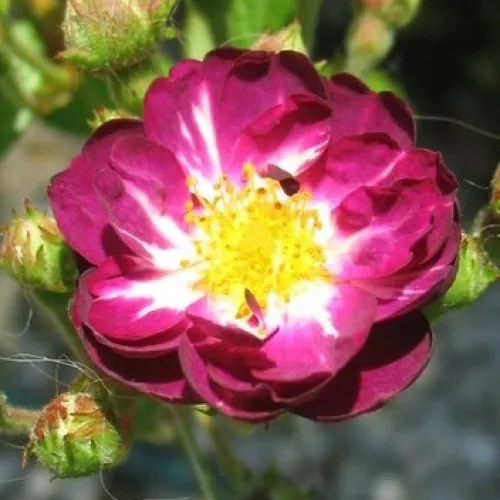
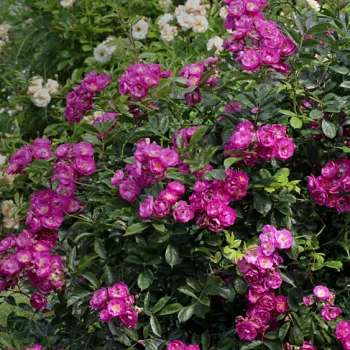
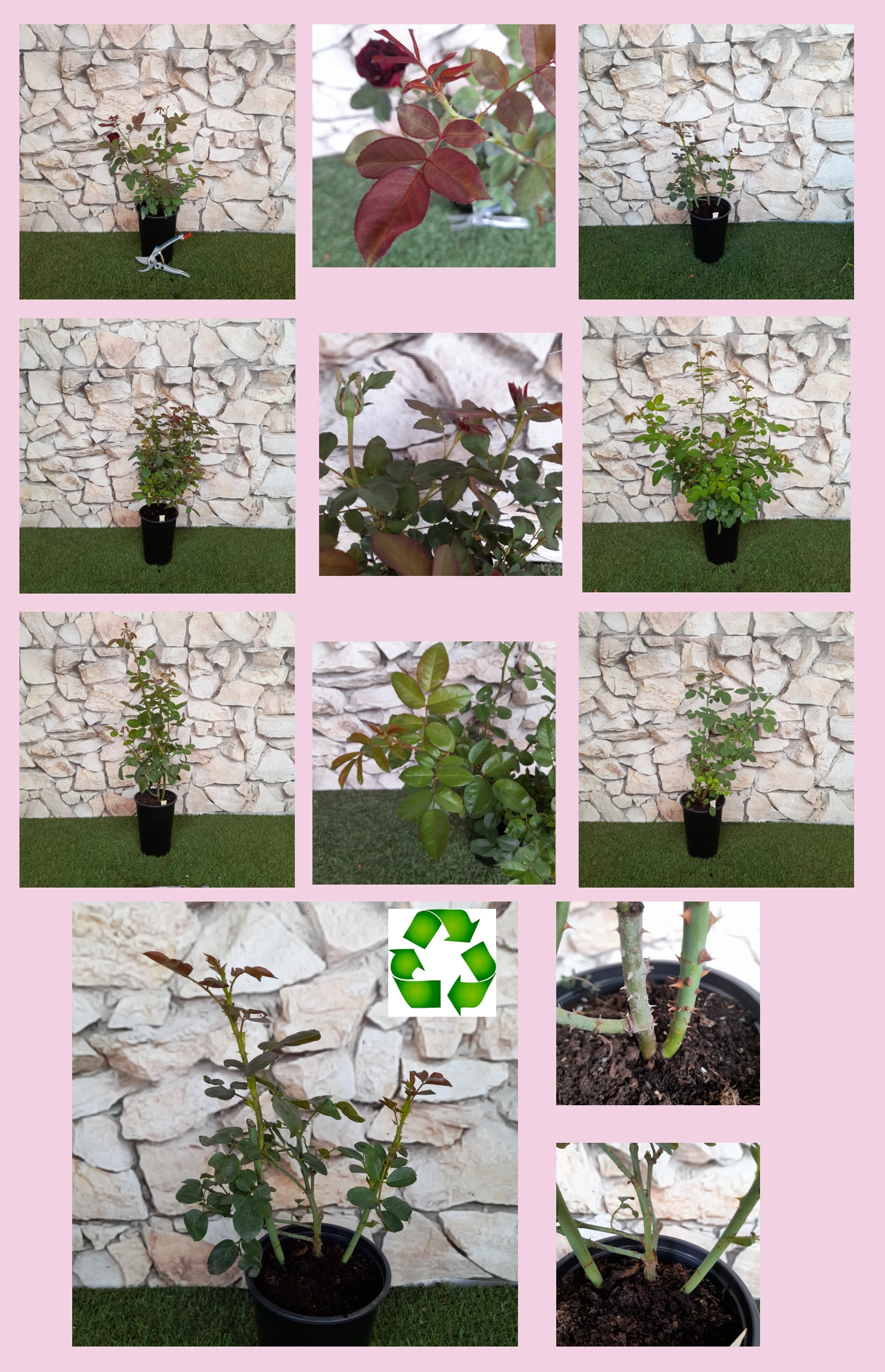
Step off the busy pavement and into a front garden of calm, where the velvety, violet-lilac blooms of Violet Hood line your path like a low, compact hedge, catching raindrops after a shower and coping steadily with blustery, moisture-laden weather in typical UK streets. This Hybrid Musk shrub forms a naturally tidy shape that needs only light seasonal pruning, making it ideal if you want reliable flowers without constant maintenance. Clusters of semi-double blooms appear from early summer and repeat generously into autumn, followed by neat red hips that add colour along with a sense of long-term, own-root security in your planting. In a rainwater-conscious, sustainable front garden, it settles in gradually – roots in the first year, stronger shoots in the second, and full ornamental impact by the third season.
Usage options
| Target area |
Reasoning |
| Narrow London front-garden hedge |
The compact height and 50–80 cm spread make Violet Hood perfect for a neat, low hedge along a small front boundary, offering structure without dominating the pavement; ideal for privacy and kerb appeal for the busy homeowner. |
| Mixed border in family garden |
Repeat-flowering clusters of purple blooms bring long-season colour in a typical back-garden border, combining easily with perennials and grasses while leaving enough space for children’s play for the family gardener. |
| Rainwater-friendly urban planting strip |
Planted in improved, free-draining soil, this rose accepts regular UK rain and breezy conditions, helping you replace hardstanding with resilient planting that works alongside simple rainwater management for the sustainability-minded. |
| Statement specimen near the front door |
A single shrub at 90–140 cm creates a welcoming focus without overwhelming a small plot, its dark foliage and colour-shifting blooms adding a refined, almost cottage-garden feel for the style-conscious owner. |
| Large container on patio or balcony |
In a 40–50 litre or larger pot with peat-free compost, Violet Hood forms a compact, upright shrub that flowers freely, letting you enjoy a classic rose where ground planting is impossible for the balcony gardener. |
| Wildlife-friendly corner with seasonal interest |
Semi-double flowers offer moderate pollen, then red hips add autumn structure and food interest, supporting a more nature-aware approach when combined with other pollinator plants for the wildlife supporter. |
| Low-maintenance row in community or shared gardens |
The naturally tidy habit and medium maintenance needs suit shared spaces where simple annual pruning and occasional health checks are realistic for volunteer-run community gardeners. |
| Long-term, sustainable planting plan |
As an own-root shrub, it matures steadily into a stable, rejuvenating plant that fits long-view designs, giving dependable structure and colour without frequent replacement for the future-focused planter. |
Styling ideas
- Violet-Edge Path – Line a short front path with Violet Hood at 50 cm spacing, underplanted with low nepeta to soften the paving – ideal for homeowners wanting classic romance in a tiny space.
- Balcony Focus – Grow one plant in a 50 litre container with cascading thyme and trailing ivy to frame railings – suited to flat dwellers seeking a single, reliable focal rose.
- Pollinator Pocket – Mix Violet Hood with lavender and sage in a sunny strip to create a soft, bee-supporting front garden – for urban gardeners replacing gravel with living planting.
- Modern Shrub Row – Plant a loose row and intersperse with Pennisetum alopecuroides for movement and contrast – perfect for those turning a plain lawn edge into a simple design feature.
- Autumn Accent – Combine Violet Hood with Calamintha and New Zealand flax ‘Tom Thumb’ to echo the purple flowers and highlight the red hips – for gardeners who enjoy subtle, evolving seasonal colour.
Technical cultivar profile
| Property |
Data |
| Name and registration |
Violet Hood is a Hybrid Musk park shrub rose used for borders, hedges and landscape plantings; commercial name Violet Hood Park - shrub rose Lens; ARS exhibition name Violet Hood. |
| Origin and breeding |
Bred by Louis Lens in Belgium from ‘Robin Hood’ × ‘Baby Faurax’; raised 1973, introduced and registered 1975 by Lens Roses N.V. and Pépinières Louis Lens for European gardens. |
| Awards and recognition |
Kortrijk International Rose Exhibition Silver Medal 1978, indicating proven landscape value, ornamental performance and reliability in park and garden plantings under north-west European conditions. |
| Growth and structural characteristics |
Compact shrub 90–140 cm tall and 50–80 cm wide with moderately dense, slightly glossy dark green foliage, brownish-tinged leaves and moderate prickliness, forming an upright yet tidy habit. |
| Flower morphology |
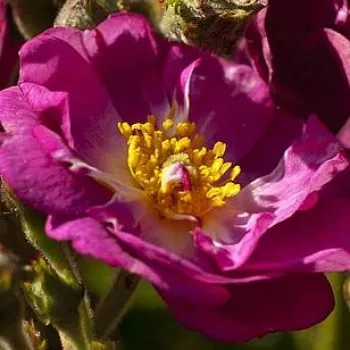
Semi-double, flat, small blooms (0.5–1.5 in) carried in clusters; about 13–25 petals; remontant with abundant second flush, followed by developing hips as petals drop naturally in late season. |
| Colour data and phenology |
Deep, almost black-purple buds open velvety lavender purple (RHS 79A/79B), maturing to matt mauve, then brownish-mauve; good colour retention with subtly lightened petal edges before eventual fading. |
| Fragrance and aroma |
This cultivar is effectively scentless with no noticeable fragrance; flowers prioritise colour and form over perfume, making it suitable where fragrance is not a key design requirement. |
| Hip characteristics |
After flowering it can form numerous small, spherical red hips about 6–10 mm in diameter, adding fine-textured, seasonal autumn interest and extending ornamental value beyond the main flowering period. |
| Resistance and winter hardiness |
Hardy to around −21 to −18 °C (RHS H7, USDA 6b, Swedish Zone 3); medium resistance to powdery mildew and black spot, good rust resistance, benefiting from standard UK rose care when needed. |
| Horticultural recommendations |
Best in full sun with improved drainage on heavy clay; plant 50–60 cm apart for hedges or mass, 100 cm as specimen; medium maintenance with light pruning and occasional pest and disease monitoring. |
Violet Hood offers compact structure, long-season violet-lilac flowering and decorative hips on a durable own-root shrub, making it a thoughtful, low-fuss choice for long-term, sustainable planting.