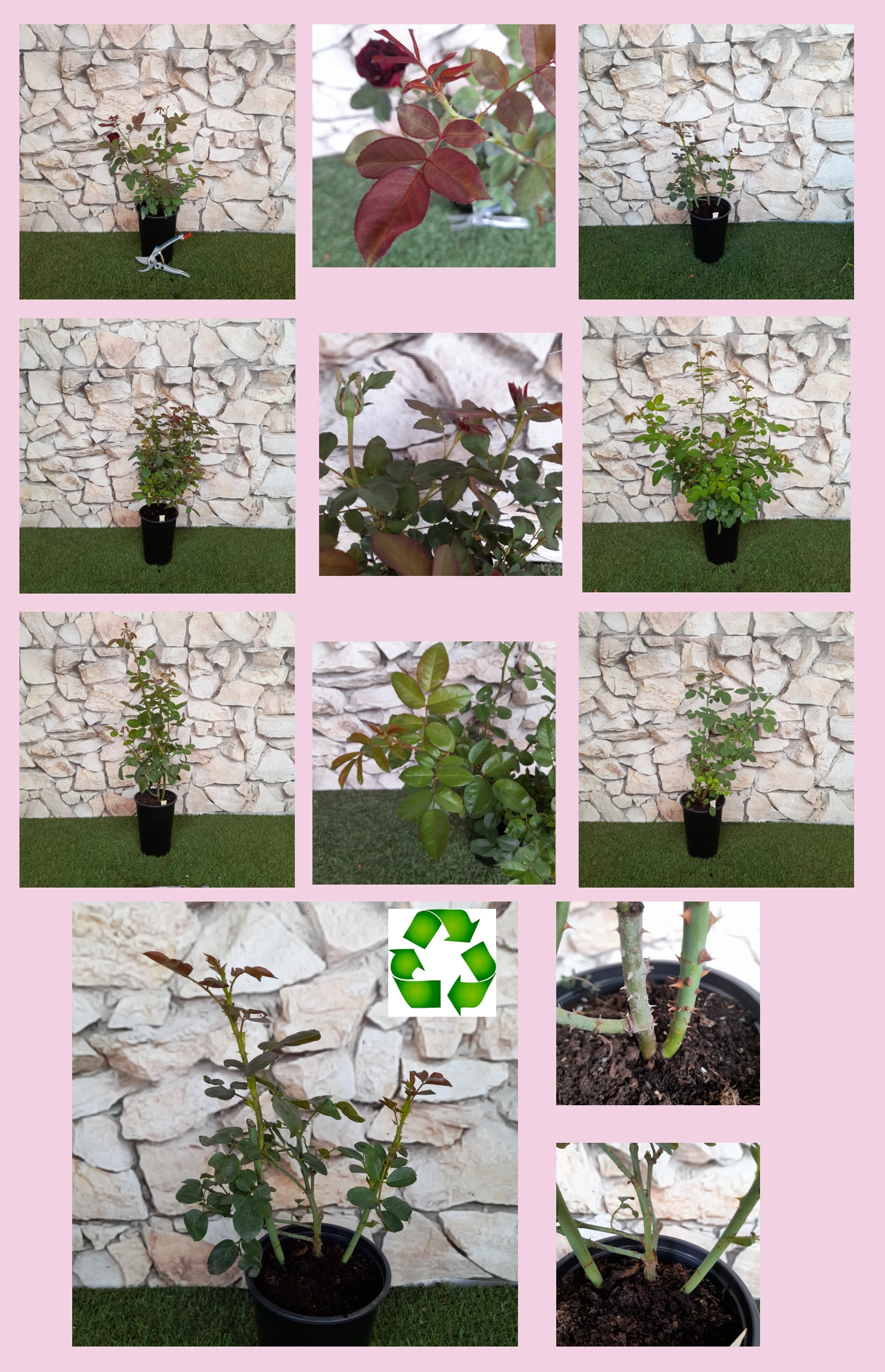
THUNDERSTRUCK – orange-yellow climbing rose (climber) - Orard
Step out after rain into a front garden framed by Thunderstruck and you will notice how its glossy foliage and warm, striped blooms bring a sense of balance to even the narrowest London terrace. This Orard-bred climber offers medium-maintenance reliability, with healthy, dense leaves and black spot resistance that suit wetter, breeze-prone sites where drainage needs a little extra care. Its remontant flowering keeps fences and archways colourful through the season, while own-root resilience means the plant can regenerate from the base and settle in for the long term. In a 40–50 litre container or open ground, it responds well to rainwater-saving practices and light pruning, bringing sustainable structure and vertical interest to small urban plots. Over time it rewards patient gardeners with a classic development: first year focused on roots, second on strong new shoots, and by the third, a full curtain of ornamental value that feels quietly enduring and genuinely sustainable.
Usage options
| Target area |
Reasoning |
| London terrace front fence |
Clothing a low to medium front fence, this climber adds strong structure and colour without taking up precious ground space, ideal where you still need room for bins, bikes or children’s play for the busy urban gardener. |
| Rainwater-conscious small pergola |
Trained over a compact pergola, it thrives with simple mulching and rainwater harvesting, coping well where heavy soil demands attention to drainage for the sustainability-minded homeowner. |
| Balcony or roof terrace in a large container |
In a 40–50 litre peat-free container, its moderate height and dense foliage form a vertical screen, bringing privacy and seasonal drama with only occasional tying-in for the space-limited city dweller. |
| Statement arch at a front path |
Its cup-shaped, abundantly repeating flowers create a welcoming tunnel of colour along a narrow path, giving year-on-year structure with modest pruning for the design-conscious beginner. |
| Mixed ornamental hedge with shrubs and grasses |
Used at wider spacings among grasses and compact evergreens, it adds height and warm tones while own-root growth ensures long-term presence even after hard pruning for the low-maintenance gardener. |
| Feature wall by the front door |
Trained on a wall trellis, the striped blooms become a focal point for visitors, while its moderate disease resistance keeps foliage presentable in damper, traffic-exposed streets for the image-conscious homeowner. |
| Family garden seating corner |
Climbing behind a bench or small seating area, it offers a living backdrop that flowers in flushes through summer, yet needs only deadheading and light tying-in for the time-poor hobby gardener. |
| Cut-flower corner in a small garden |
Grown as a specimen climber with good air flow, it produces remontant, medium-sized double blooms for striking indoor arrangements, without the complexity of specialist rose borders for the creative home florist. |
Styling ideas
- Striped-showcase arch – Train over a slim metal arch, underplant with lavender or nepeta to contrast the smoky orange stripes – ideal for London terrace owners wanting a standout entrance.
- Rainwise-front border – Combine with feather reed-grass and fragrant cranesbill in a free-draining strip that channels roof run-off gracefully – suited to sustainability-focused urban gardeners.
- Peat-free-pillar – Grow in a 50 litre peat-free container with a slim obelisk, pairing with trailing thyme for soft edges – perfect for balcony or roof-terrace spaces.
- Warm-welcome wall – Espalier along trellis by the front door, backed by dwarf yew for winter structure – for homeowners seeking year-round kerb appeal on a small footprint.
- Family-relaxation corner – Frame a bench with two plants on posts, weaving stems for a loose screen and underplanting with low herbs – made for busy families wanting gentle enclosure.
Technical cultivar profile
| Property |
Data |
| Name and registration |
Climbing, large-flowered exhibition rose; registered as ORAlodsem, marketed as Thunderstruck Climbing rose ORAlodsem, ARS exhibition name Thunderstruck, in the pharmaROSA ORIGINAL 2-litre own-root range. |
| Origin and breeding |
Bred by Pierre Orard, France, from ORAstricap × (MEIronsse × HARzazz); breeding completed 2011, introduced 2015 via Weeks Roses and Matthews Nurseries, with US plant protection registered in 2014 and 2016. |
| Awards and recognition |
Recipient of a Gold Medal at the International Rose Competition in Barcelona, reflecting its distinctive striped colouring and ornamental performance as an exhibition-quality climbing rose in international trial conditions. |
| Growth and structural characteristics |
Vigorous climber 220–330 cm high and 180–280 cm wide, with dense, glossy dark green foliage and moderate thorns; self-cleaning is only partial, so some faded blooms benefit from removal to maintain a neat display. |
| Flower morphology |
Medium-sized, double, cup-shaped blooms with 26–39 petals, typically in clusters of three to five per stem; a remontant variety, it flowers in generous flushes, with the second main flowering also notably abundant through the season. |
| Colour data and phenology |
Smoky chocolate-orange buds open to butter-cream and orange-brown petals with reddish streaks; stripes remain visible as colours soften to rosy-peach tones, with moderate fading but generally persistent patterning in strong sun. |
| Fragrance and aroma |
Fragrance is very weak and only lightly rose-scented, so this cultivar is chosen mainly for its dramatic colour pattern and structural climbing habit rather than perfume, fitting designs where visual impact is the priority. |
| Hip characteristics |
Occasionally forms small, ellipsoidal orange-red hips about 10–14 mm across, adding subtle late-season interest without significantly affecting overall flowering performance or requiring specific management in most garden settings. |
| Resistance and winter hardiness |
Hardy to approximately −26 to −23 °C (RHS H7, USDA 5b, Swedish zone 4); disease resistance moderate overall, with useful black spot resistance but only moderate tolerance to powdery mildew and rust in humid or enclosed sites. |
| Horticultural recommendations |
Best on sunny walls, fences or pergolas with support; plant 215–350 cm apart, in well-drained soil, with regular watering in prolonged dry spells and occasional plant protection where fungal pressure is high. |
Thunderstruck Climbing rose ORAlodsem brings long-season colour, reliable climbing structure and enduring own-root strength to compact family gardens; a thoughtful choice if you prefer roses that earn their place over time.