THEO CLEVERS™ – pink bedding shrub rose
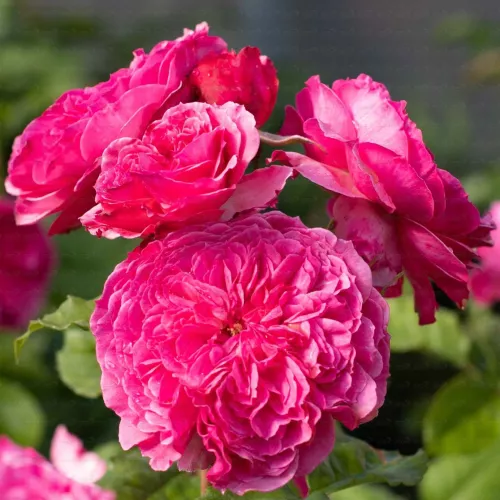
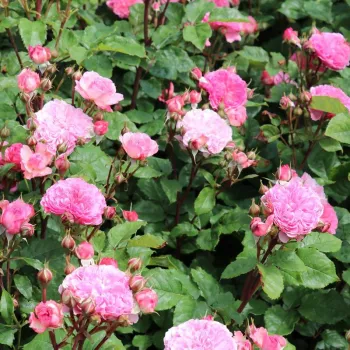
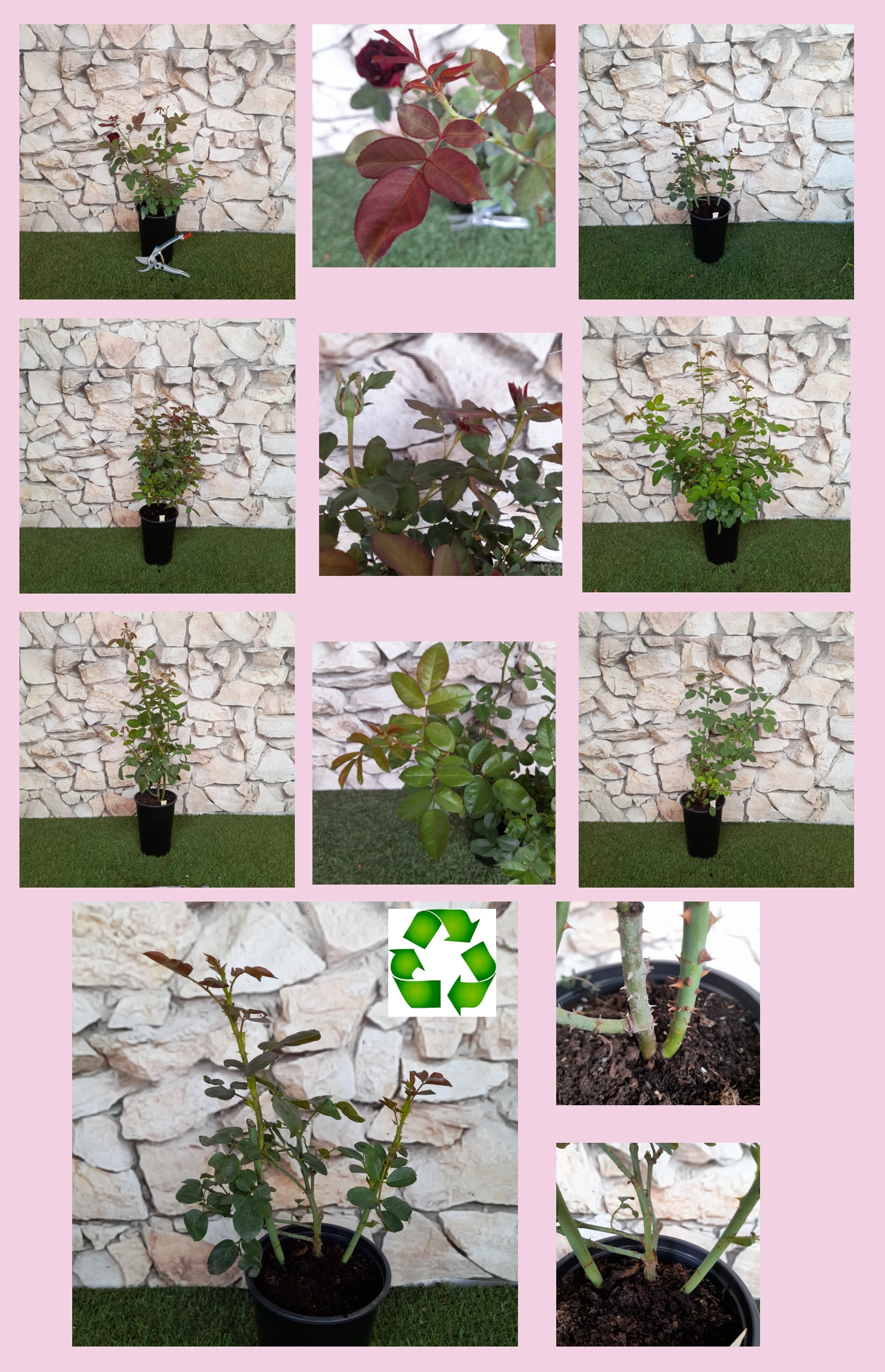
Step onto your front path after rain and you will notice how fragrance, gentle colour and compact structure create a calm, welcoming approach that sits easily in a London terrace or small family garden, even where winds and showers come sweeping in from the coast as if testing your planting choices. THEO CLEVERS™ offers reliable flowering from early summer, with very double rosette blooms that refresh beds, low hedges and large containers with a soft, modern look and a light, fruity aroma. As an own-root rose it supports long-term renewal and stable shape, quietly rebuilding after harsh winters or pruning, so you invest once in a plant that will mature with your garden. Give it a season to root in, another to build bushy growth, and by the third year you can expect full ornamental impact that feels both lush and reassuringly easy to manage.
Usage options
| Target area |
Reasoning |
| Front garden flower bed |
Bushy, compact plants at 60–90 cm high and 40–60 cm wide build a neat, low shrub layer that frames paths and doorways without overwhelming a small plot, ideal for time-poor city-dwelling beginners. |
| Low hedge or edging strip |
Recommended spacings of 30–35 cm allow you to form a gently undulating, pink edging hedge that reads as a continuous line of rosettes in summer, perfect for homeowners wanting easy structure along drives and boundaries. |
| Large patio container (40–50 litres+) |
In a 40–50 litre peat-free container, roots have space to establish, supporting steady top growth and repeat flowering; use on patios or balconies where you prefer a long-lived, moveable feature that rewards relaxed care. |
| Mixed bed with perennials |
The moderate height and mid-pink blooms sit comfortably among salvias, nepetas or low grasses, softening clay or chalk-based borders and giving a cohesive, modern feel sought by design-aware family gardeners. |
| Rainwater-aware urban planting |
Average water needs combine well with mulched, well-drained soil, so you can rely more on collected rainwater and less on mains irrigation, a discreet advantage for sustainability-focused owners. |
| Coastal or wind-exposed garden |
A bushy, moderately thorny shrub with resilient foliage copes well where blustery weather and frequent rain might spoil looser, taller roses, suiting practical gardeners managing exposed UK plots. |
| Edible-flower use near seating |
Classed as an edible rose, the full, very double blooms with mild, fruity scent lend themselves to garnishing drinks and desserts, adding sensory interest for hosts who value pretty yet useful planting. |
| Long-term, low-fuss specimen |
Own-root growth underpins natural regeneration after pruning or winter cold, giving a durable shrub with dependable flowering across many years for those wanting a “plant and enjoy” focal point rather than intensive maintenance. |
Styling ideas
- Front-door welcome – Line a narrow path with a short hedge of THEO CLEVERS™ underplanted with lavender for scent, offering busy homeowners a tidy, low-effort entrance that still feels romantic and personal.
- Terrace containers – Plant one rose in a 50-litre pot with trailing thyme and nepeta to spill over the rim, ideal for urban balcony dwellers seeking long-season colour with minimal day-to-day attention.
- Pastel matrix – Combine in a mixed bed with white obedient plant and soft grasses to create a calm, pastel tapestry that suits families who prefer a cohesive look without complex maintenance routines.
- Edible corner – Place near herbs and a small seating area, using petals as edible decoration, a charming solution for food lovers wanting ornamental value and occasional kitchen use from the same planting.
- Clay-soil upgrade – On heavier UK soils, raise the bed slightly and mix in grit, pairing the rose with catmint and dwarf pines for a textural, resilient scheme that appeals to gardeners improving problem patches.
Technical cultivar profile
| Parameter |
Data |
| Name and registration |
Modern shrub rose and edible rose; registered as BOZkatafra, marketed as Theo Clevers™ Taste of Love®; shrub rose for beds and borders within the Taste of Love® collection. |
| Origin and breeding |
Bred by Biljana Božanić Tanjga of PhenoGeno Roses, Serbia; parentage unlisted. Introduced and registered in 2019 by PhenoGeno Roses, representing contemporary Central European breeding. |
| Growth and structural characteristics |
Bushy, medium-height shrub reaching around 60–90 cm tall, 40–60 cm wide. Moderately dense, mid-green, slightly glossy foliage; moderate prickles. Suitable for beds, low hedges and large containers. |
| Flower morphology |
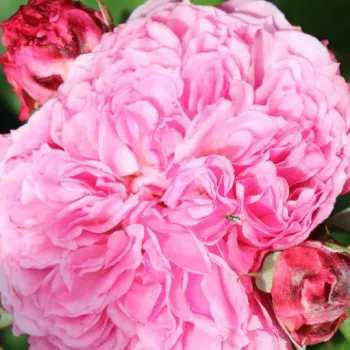
Clusters of medium-sized, very double rosette blooms with 40+ petals. Remontant, with abundant second flush following the main flowering; primarily ornamental rather than for cutting. |
| Colour data and phenology |
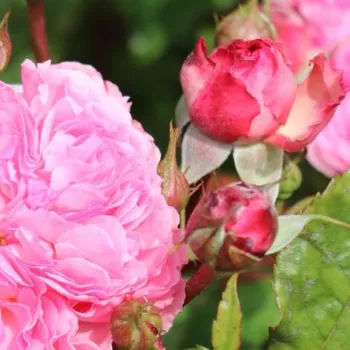
Uniform medium pink flowers, RHS 65B–65C range; buds and newly opened blooms mid-pink, then fading to pastel pink with slightly softer edges and paler petal bases as the flower ages. |
| Fragrance and aroma |
Mild, delicately fruity scent; restrained overall fragrance level, lending a gentle background aroma rather than a dominant perfume, comfortable for seating areas and compact urban spaces. |
| Hip characteristics |
Occasional small, spherical orange-red hips around 5–8 mm, offering subtle seasonal interest in late season if not deadheaded, without creating an untidy appearance. |
| Resistance and winter hardiness |
Rated to approximately -21 to -18 °C (RHS H7, USDA 6b, Swedish zone 3). Black spot and rust resistance noted; moderate powdery mildew tolerance; average drought tolerance, needing watering in prolonged dry spells. |
| Horticultural recommendations |
Suited to beds, edging, patio and containers from 40 litres upward. Performs best in well-drained but moisture-retentive soil, in full sun or light shade, with moderate maintenance and regular deadheading. |
THEO CLEVERS™ offers compact, long-season flowering with gentle fragrance and enduring own-root resilience; consider it if you want a dependable, quietly elegant rose to anchor a small garden over many years.