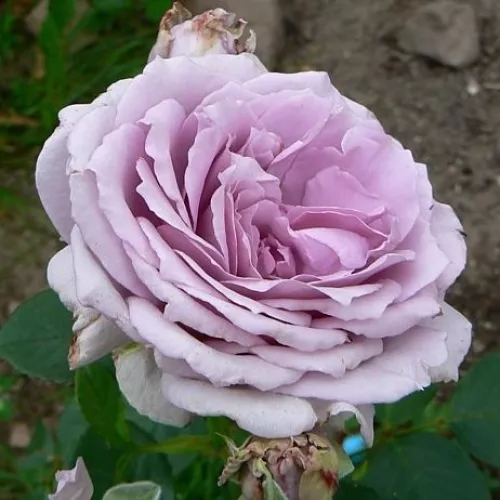
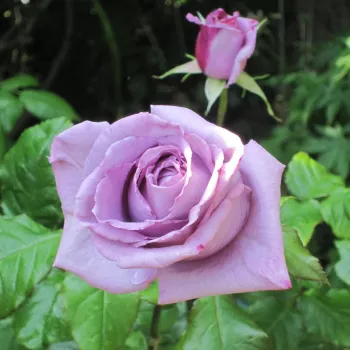
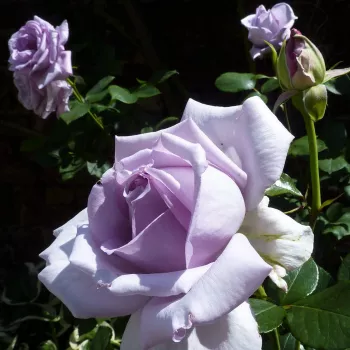
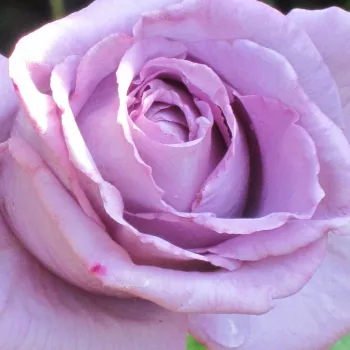
THE SCOTSMAN™ – mauve hybrid tea rose
Step through your front gate to meet balance in the form of THE SCOTSMAN™ – a mauve hybrid tea rose whose refined blooms bring a composed, almost architectural note to compact city plots and traditional beds alike. Grown on its own roots for reassuring longevity, it establishes steadily and then rewards you for years with strong, upright stems that hold each flower at the perfect viewing height. Large, cup-shaped blooms in sophisticated shades of mauve and lavender petals open in flushes from early summer well into autumn, offering a long season of colour even where weather swings between showers and bright spells in typical British fashion. The glossy dark foliage shrugs off rain and looks fresh against paving, gravel or lawn, supporting a feeling of considered, sustainable design rather than fuss. In smaller London-style front gardens and terraces, it works hard in a single 40–50 litre container or as a calm focal point in the border, coping reliably with blustery, damp days near the coast and other challenging, rain‑washed sites. Its medium, spicy fragrance adds a quietly luxurious note to your daily route to the door, while the gradual own‑root development from strong underground foundations in year one to fuller flowering impact by year three keeps maintenance low and satisfaction high.
Usage options
| Target area |
Reasoning |
| Terraced-house front garden focal point |
The upright habit and large, well-formed blooms give a smart, formal look beside a front path or bay window without demanding expert pruning, ideal for neat, low-effort kerb appeal over many years for the busy urban homeowner. |
| Statement container on balcony or patio |
In a 40–50 litre pot, its dense foliage and repeat-flowering mauve blooms create a single-plant display with real presence; own-root resilience lets you keep the same container planting for seasons with only light annual refreshment for the space-conscious city gardener. |
| Mixed flower bed in small family garden |
Plant as a specimen among perennials such as lavender, sage or nepeta to soften the outlines; steady remontant flowering threads mauve tones through the bed from early summer onwards with only occasional dead-heading needed for the relaxed hobby gardener. |
| Cut-flower corner for home arrangements |
Long, straight stems and generous, double, cup-shaped flowers in sophisticated mauve make this an easy cut-flower source; a few plants provide vases all season, with own-root plants regrowing strongly after cutting for the home flower arranger. |
| Rainwater-friendly, paved front garden |
Works beautifully in gravel pockets or permeable surfaces, where its tidy footprint and glossy foliage bring softness without blocking drainage, supporting gardens that manage heavy downpours and runoff more thoughtfully for the sustainability-minded homeowner. |
| Compact rose border with long-season interest |
Reliable repeat flowering and good colour retention mean the border rarely looks bare; moderate self-cleaning reduces the urgency of dead-heading, so you still enjoy a finished, intentional look on weeks when there is little time for the time-poor beginner. |
| Urban front-garden “rose and grasses” scheme |
Partners well with airy grasses such as Panicum ‘Sangria’ or Crocosmia ‘Lucifer’, its structured purple-toned blooms adding depth and contrast that hold their own in wind and frequent rain on exposed, rain-battered streetscapes for the design-led city gardener. |
| Long-term specimen in family garden makeover |
Own-root form supports a gradual arc from building roots, through stronger shoots, to full ornamental presence by year three, giving a dependable anchor plant that copes with children, pets and evolving layouts for the forward-planning garden owner. |
Styling ideas
- Front-Door Welcome – Pair one plant with clipped evergreen box or Lonicera pileata in a narrow bed by the front step for a composed mauve-and-green entrance – ideal for image-conscious terraced-house owners.
- Mauve-Romantic Border – Combine with soft pink perennials, pale nepeta and silver foliage for a gentle, “girly” feel that flatters London brickwork – suited to those seeking a quietly romantic city front garden.
- Gravel-Courtyard Calm – Set THE SCOTSMAN™ through light gravel with low thyme and sage, letting mauve blooms rise from a simple, permeable surface – perfect for low-maintenance, rainwater-aware spaces.
- Balcony Feature Pot – Grow a single bush in a generous 50 litre container with trailing ivy for year-round structure and summer scent – made for balcony gardeners wanting impact from one easy-care rose.
- Cutting-Strip Accent – Place a short row beside a veg patch, adding lavender between plants so you can harvest both stems and scent – appealing to practical growers who like both beauty and usefulness.
Technical cultivar profile
| Characteristic |
Data |
| Name and registration |
Hybrid tea rose, registered as POUlscots, marketed as THE SCOTSMAN™ within the Paramount® collection; ARS exhibition name ‘The Scotsman’, verified premium gold cultivar. |
| Origin and breeding |
Bred by L. Pernille and Mogens Nyegaard Olesen at Poulsen Roser A/S, Denmark; cross of ‘Karen Blixen’ and ‘Blue Moon’, introduced and registered in 2001 for garden and cut use. |
| Growth and structural characteristics |
Upright, bushy plant reaching around 75–105 cm high and 65–95 cm wide, with dense, glossy dark green foliage and moderate prickliness, forming a tidy, medium-sized shrub. |
| Flower morphology |
Large, double, cup-shaped blooms with 26–39 petals borne mainly singly; remontant habit gives generous second and later flushes, especially when spent blooms are removed regularly. |
| Colour data and phenology |
Saturated mauve-purple with bluish sheen; buds deep crimson-purple, opening to vibrant mauve, then gently fading to rosy-lilac with a subtle silvery, greyish veil on outer petals over time. |
| Fragrance and aroma |
Medium-strength, spicy fragrance clearly noticeable at close quarters; suitable for perfuming small seating areas, entrances and cut stems in vases without becoming overpowering indoors. |
| Hip characteristics |
Generally produces few hips; when present, they are small, around 10–16 mm in diameter, and of limited ornamental impact, so dead-heading can be prioritised to extend flowering. |
| Resistance and winter hardiness |
Rated to around −21 to −18 °C (RHS H7, USDA 6b, Swedish zone 3); moderate resistance to black spot, mildew and rust, with good tolerance of summer heat and temporary drought. |
| Horticultural recommendations |
Best in full sun with well-drained soil; space 50–90 cm depending on use, at 3.3–3.8 plants/m² for mass planting; medium maintenance, with occasional pest and disease checks advisable. |
THE SCOTSMAN™ offers long-lived own-root reliability, elegant mauve blooms and steady repeat flowering in compact spaces, making it a thoughtful, low-fuss choice when refining a front garden or balcony.