TARA™ – orange-red landscape shrub rose - Tanjga
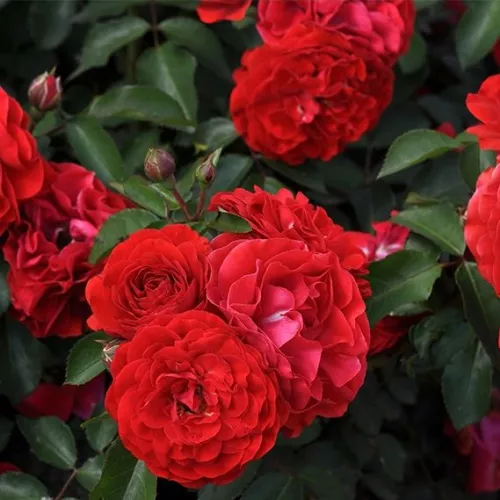
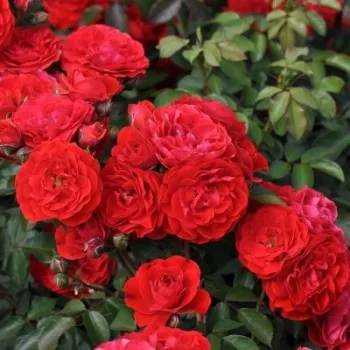
Step through your front gate after the rain and be welcomed by vibrant clusters of warm orange‑red blooms from TARA™, forming a compact, low shrub that suits even modest London front gardens and helps handle persistent wet, heavy soils and wind-exposed spots. This modern landscape rose offers reliably remontant flowering, building a long season of colour from a convenient 2‑litre own‑root plant that is straightforward to establish in beds or in generous 40–50 litre containers. Its dense, mid‑green foliage gives a quietly balanced backdrop to the glowing pompon flowers, keeping the look neat and structured around paths, parking spaces and bin stores. Own‑root planting supports a long lifespan and long‑term shape stability, while the shrub’s compact habit makes it easy to place in front of taller evergreens or grasses. In the first year the plant concentrates on strong roots, in the second it builds framework shoots, and by the third year you can expect full ornamental impact with minimal shaping cuts, suiting busy urban gardeners who still want a consciously sustainable front‑garden feature.
Usage options
| Target area |
Reasoning |
| Narrow London front garden bed |
The compact growth keeps to its place, reaching only about 35–55 cm in height and spread, so it will not swamp a narrow strip between pavement and house. Dense foliage and clustered blooms give a full look from a small footprint, ideal for the busy urban homeowner |
| Colour‑rich low hedge along a path |
Regular spacing at 25 cm quickly forms a low ribbon of orange‑red colour, guiding visitors from gate to front door. The structured hedge effect makes the space feel designed, while staying low enough to see over in small gardens, appealing to the style‑conscious beginner |
| Rain‑aware, clay‑based front garden |
Planting in slightly raised beds or mounded soil helps this rose cope where rain lingers and clay is slow to drain, allowing roots to stay healthier in typical British conditions of frequent showers and heavier ground, supporting the sustainability‑minded gardener |
| 40–50 litre container by the doorstep |
In a large, well‑drained pot, its compact framework and rounded habit create an immediate welcome beside the door. Own‑root plants respond well to periodic top‑dressing and light pruning, keeping the display fresh season after season for the container‑focused city dweller |
| Mixed bed with shrubs and grasses |
The warm orange‑red flowers sit well with evergreen structure and ornamental grasses, giving a long‑season accent without dominating the planting. The moderate height allows it to weave between existing shrubs, making it versatile for the space‑limited garden owner |
| Family front garden with low maintenance time |
Once established with good soil preparation and drainage, the stable own‑root framework means less corrective pruning in later years. Simple annual thinning and deadheading help maintain shape, suiting households that prefer quick tasks, especially the time‑pressed family gardener |
| Mass planting for bold street‑side colour |
Used in groups at 30 cm spacing, TARA™ builds a carpet of colour that reads clearly from the pavement or road. The uniform height and rounded form give a coherent look for several seasons, a practical choice for the low‑fuss design lover |
| Structured focal point in a small border |
A single plant at 50 cm from other shrubs reads as a deliberate focal point without needing staking or tying. Over time the own‑root base thickens, supporting replacement shoots that keep shape and colour reliable for the long‑term garden planner |
Styling ideas
- Front‑Door Welcome – Position TARA™ in a 40–50 litre pot by the entrance, underplant with trailing thyme to soften the rim and enjoy a compact, colourful welcome – ideal for flat dwellers with a shared front step
- Sunset Ribbon – Create a low hedge of TARA™ along the front boundary and intersperse with lavender for scent and soft texture – perfect for homeowners wanting order with a relaxed, Mediterranean edge
- Compact Contrast – Combine TARA™ with dark‑leaved shrubs or New Zealand flax for striking colour contrast and year‑round structure – suited to design‑conscious gardeners working with small plots
- Urban Matrix – Mass‑plant TARA™ in a grid within gravel or permeable paving to bring structured colour to rain‑aware driveways – appealing to those redesigning a sustainable, car‑friendly front garden
- Neighbour‑Friendly Border – Use TARA™ at the front of a mixed border with taller ceanothus or cherry laurel behind, keeping views open while framing the house – great for neighbours who value light and shared outlook
Technical cultivar profile
| Attribute |
Data |
| Name and registration |
Modern shrub (landscape shrub) rose from the Reka® collection, registered as BOZreka024 and marketed as TARA™ / Reka® / BOZreka024 for bed and landscape use. |
| Origin and breeding |
Bred by Biljana Božanić Tanjga at PhenoGeno Roses, Serbia; registered in 2023 and introduced after 2023 as a compact landscape shrub for modern urban and park plantings. |
| Growth and structural characteristics |
Compact, rounded shrub reaching about 35–55 cm in both height and spread, with dense, mid‑green, slightly glossy foliage and moderate prickliness, suited to edging, beds and containers. |
| Flower morphology |
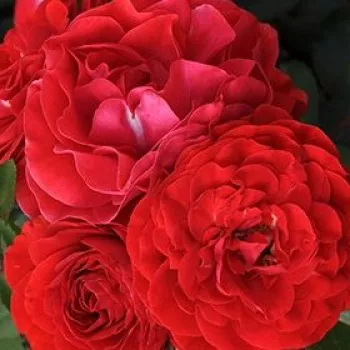
Large, double, ball‑ to pompon‑shaped clusters, around 26–39 petals per bloom; flowers produced in sprays with strong remontant character and a notably abundant second flush. |
| Colour data and phenology |
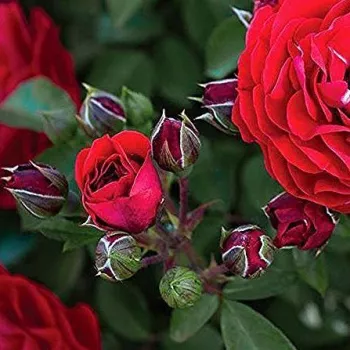
Vibrant orange‑red flowers, RHS 40A outer and 40B inner petals; colour gradually softens to pinkish‑orange pastel with paler margins and centre as blooms age, retaining good overall colour impact. |
| Fragrance and aroma |
Very weak scent with a subtle rosy character only noticeable at close range; chosen primarily for colour and structure rather than perfume, making it a visual feature plant. |
| Hip characteristics |
Rose hip set is generally limited by the double blooms; where formed, hips are small, spherical, orange‑red and about 6–10 mm in diameter, offering modest late‑season interest. |
| Resistance and winter hardiness |
Hardy to approximately −21 to −18 °C (RHS H7, Swedish Zone 3, USDA 6b); however, disease tolerance is very low, requiring regular plant protection against black spot, mildew and rust. |
| Horticultural recommendations |
Best in well‑drained soil with careful watering and regular fungicide programmes; recommended spacings: 30 cm for mass planting, 25 cm for hedges, 50 cm as a solitary plant in beds or containers. |
TARA™ offers compact structure, vivid orange‑red flowering and a durable own‑root framework that rewards thoughtful planting with long‑term garden value, making it a considered choice for colour‑focused small gardens.