TANREZLAW – white climbing rose - Evers
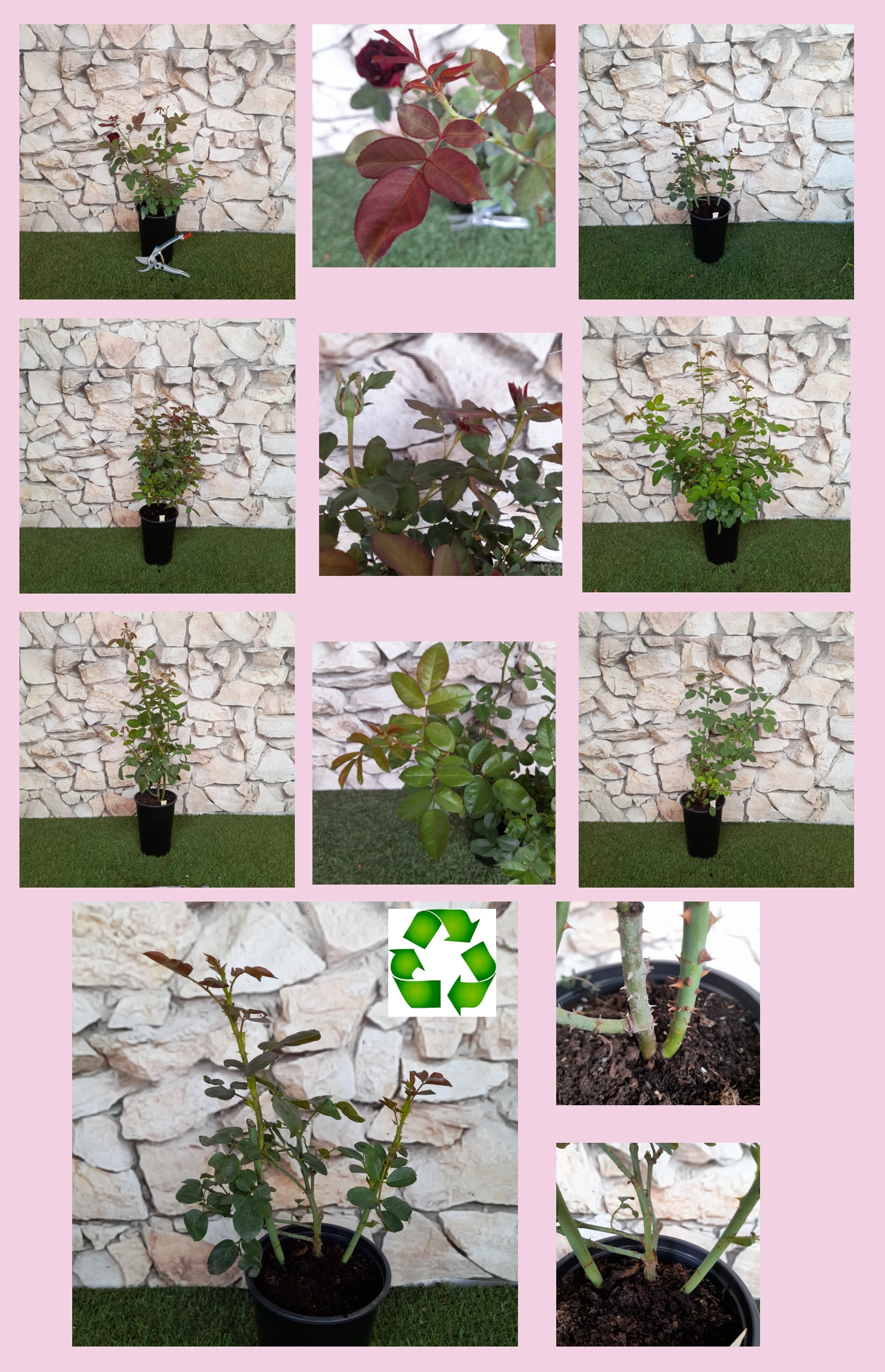
Step out after rain and let TANREZLAW frame your front garden in balance, its tall canes carrying XL creamy-white blooms that open with a gentle lemon glow and a fragrant citrus note. Bred by Tantau, this large-flowered climber lends an effortlessly elegant look to arches, façades and pergolas while coping reliably with cool, damp British spells and heavier soils where good drainage helps manage rainfall and wind. As an own-root rose it builds a quietly durable framework, regenerating from the base for a long-lived, sustainable display that suits busy urban gardeners. Give it a simple start and, over three seasons, roots, then shoots, then the full ornamental impact will unfold, creating a calm, romantic vertical accent beside paths, steps or a terraced-house entrance.
Usage options
| Target area | Reasoning |
|---|
| Front-garden rose arch |
XL high-centred blooms and long, graceful canes create a welcoming arch that reads clearly from the street, with semi-double flowers that are easy to deadhead for neatness; ideal for the style-conscious urban gardener |
| Façade and wall greening |
Climbing growth to around 3 m allows you to soften bare brick or render without overwhelming a modest terrace, while own-root vigour rebuilds from the base for a stable, long-term vertical feature appreciated by the long-term homeowner |
| Pergola and seating area |
The citrus-scented, medium-strength fragrance drifts beautifully around a bench or small patio, giving evening seating areas a calm, “after-rain” atmosphere that rewards the busy professional |
| Small family garden focal point |
Reliable repeat flowering after the first flush keeps the display going through summer, so one carefully placed climber can act as a season-long highlight for the time-poor parent |
| Rain-aware urban planting strip |
Suited to typical British showers and breezier conditions when planted with free-draining soil that copes well with persistent rain and wind, supporting low-intervention schemes valued by the sustainability-minded owner |
| Cut-flower corner |
Large, exhibition-style buds on long stems lend themselves to cutting for vases, letting you enjoy the soft white flowers indoors without dedicating extra space, which suits the small-garden enthusiast |
| Shared pathway or side return |
Sparse thorns and moderately dense, glossy foliage make it easier to train along narrow paths without snagging, giving a refined look in tight access spaces appreciated by the practical homeowner |
| Large container by the front door |
Its adaptable root system and own-root resilience allow planting in a substantial 40–50 litre container with a tall support, delivering vertical interest where ground soil is poor, ideal for the balcony-and-courtyard gardener |
Styling ideas
- Terrace Entrance Arch – Train TANREZLAW over a slim metal arch, underplant with soft Nepeta and low lavender for a scented welcome – ideal for city-terrace front gardens.
- Soft White Pergola – Combine on a pergola with pale blue clematis and silver-leaved sage to echo the creamy-white blooms – for relaxed family seating areas.
- Façade Green Screen – Use against a south- or west-facing wall with evergreen ivy at the base, letting TANREZLAW provide seasonal flower layers – suited to overlooked urban plots.
- Courtyard Column – Grow in a 50-litre pot with a tall obelisk, pairing with dwarf lavender for a compact yet vertical feature – perfect for paved courtyards.
- Evening Scent Walk – Position along a main path with soft grasses and white alliums so the citrus fragrance and pale blooms catch dusk light – for those who enjoy quiet, after-work strolls.
Technical cultivar profile
| Parameter | Data |
|---|
| Name and registration |
Large-flowered climbing rose, registered as TANrezlaw and marketed as TANREZLAW – white climbing rose - Evers; also exhibited under the American Rose Society name Schneewalzer. |
| Origin and breeding |
Bred by Hans Jürgen Evers for Rosen Tantau, Germany, with introduction and registration in 1987; parentage not disclosed but selected for flower size and climbing habit. |
| Awards and recognition |
Recognised at the New Zealand Rose Trials with a Certificate of Merit in 1991, reflecting its strong ornamental value and performance under international garden conditions. |
| Growth and structural characteristics |
Climbing habit reaching approximately 200–320 cm in height with a 120–220 cm spread; moderately dense, glossy dark green foliage and relatively sparse prickles along the canes. |
| Flower morphology |
Very large, semi-double flowers with around 13–25 petals, borne mainly singly on stems; high-centred, pointed-bud shape reminiscent of classic cut roses, with strong remontant tendencies. |
| Colour data and phenology |
Almost snow-white blooms with a subtle creamy to lemon-yellow centre when opening, gradually fading to near white; ARS colour code W and RHS N155C outer, 8D inner petal tones recorded. |
| Fragrance and aroma |
Medium-strength scent with a light, citrus character that is noticeable but not overpowering around seating areas or pathways, adding refinement without dominating mixed plantings. |
| Hip characteristics |
Rose hips form only sporadically due to the semi-double form; when present, expect small, 9–15 mm, egg-shaped, orange-red hips that offer modest autumn interest without heavy seeding. |
| Resistance and winter hardiness |
Rated to approximately −21 to −18 °C (RHS H7; USDA 6b; Swedish zone 3) with medium disease resistance to black spot, mildew and rust, benefiting from normal good garden hygiene. |
| Horticultural recommendations |
Best on arches, pergolas, façades or trellises at 140–225 cm spacing; tolerates partial shade, appreciates regular watering in dry spells and occasional pest and disease monitoring. |
TANREZLAW brings tall, elegant white blooms, reliable repeat flowering and a long-lived, own-root climbing framework to arches and façades, making it a thoughtful choice where you seek lasting structure with gentle seasonal change.