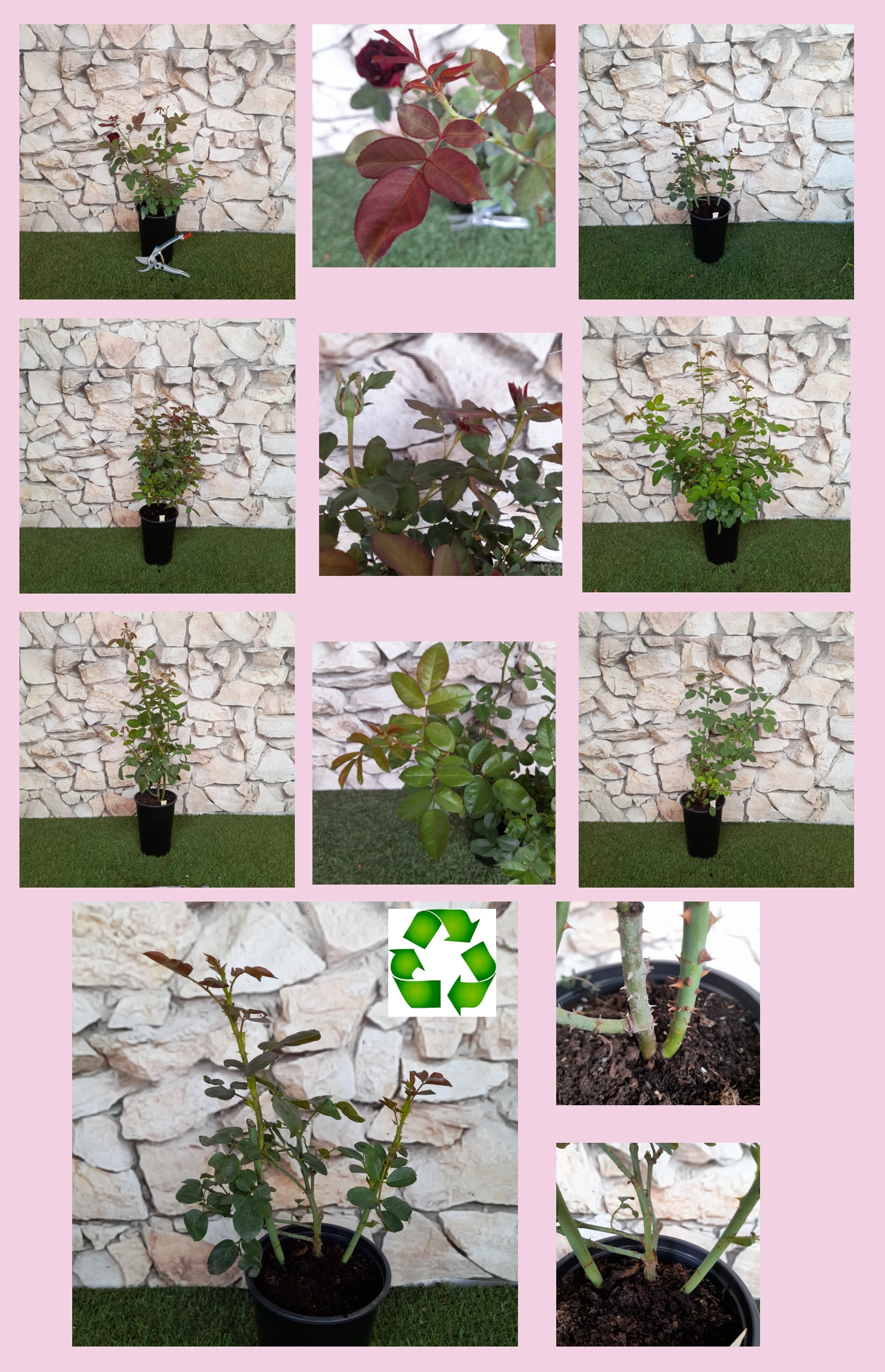
ANNAMAY – pink hybrid tea rose – pharmaROSA® ORIGINAL 2-litre own-root
Step from the pavement into a front garden of gentle balance, where ANNAMAY’s clear mid-pink blooms bring soft structure to compact urban spaces and cope reliably with blustery showers and typical British rainfall on heavier soils. This bushy hybrid tea offers an easy rhythm of repeat flowering, requiring only light seasonal care while its own-root strength steadily builds a long-lived framework that can regenerate if cut back hard. Over time, the bush fills out into a glossy green backdrop, the rosette blooms releasing a fresh, fruity fragrance along your narrow paths and terraced-house boundaries. Simple to plant, with no specialist pruning tricks, ANNAMAY suits busy gardeners who still want a polished, “girly” focal point and the reassurance of sustainable, low-intervention gardening.
Usage options
| Target area | Reasoning |
|---|
| London terraced-house front garden |
Compact, bushy growth and mid-pink hybrid tea blooms give a neat, upscale look without dominating a small frontage, while low maintenance demands suit busy weekday routines and limited storage for tools, ideal for the urban homeowner |
| Rainwater-friendly entrance border |
Works well in slightly improved heavy clay where rain can linger, fitting a front garden that slows and absorbs run-off while the sturdy root system knits the soil together, reassuring for the sustainability-conscious gardener |
| Mixed bed with lavender or nepeta |
Its clear pink flowers rise cleanly above mid-green foliage and combine beautifully with lavender, sage or catmint, so one shrub anchors a fragrant, long-season border that stays elegant with little effort for the colour-loving beginner |
| Feature rose in small family garden |
The bushy, upright habit reaches about a metre, forming a reliable focal point by a seating area or play lawn edge, giving long-term structure without becoming overlarge, practical for the space-aware family |
| Own-root, long-term planting |
As an own-root rose it ages gracefully, rebuilding from the base after harsh pruning or weather damage and maintaining its shape and colour, so you can plan a planting that matures over many years as a forward-thinking gardener |
| Low-fuss rose border for beginners |
Good resistance to black spot, mildew and rust means routine watering, mulching and a light winter prune are usually enough to keep ANNAMAY healthy, making rose growing reassuringly straightforward for the time-pressed novice |
| Cut-flower corner near the front door |
Large, double rosette blooms on strong stems are ideal for cutting, and regular picking encourages further flushes, so a single plant can supply vases indoors while still looking full outside, pleasing the home-styling enthusiast |
| Large container on balcony or paved front |
Performs reliably in a 40–50 litre peat-free container with good drainage, giving structure where there is no soil, and coping well with exposed, breezy sites common to urban streets, attractive to the hard-surface garden owner |
Styling ideas
- Front-row elegance – Place ANNAMAY behind a low evergreen hedge with gravel mulch to keep splashing off petals – ideal for style-conscious city dwellers.
- Pastel walkway – Pair along a narrow path with lavender and soft nepeta for a scented, feminine route from gate to door – perfect for romantic-leaning homeowners.
- Rain-garden focus – Set slightly above a shallow, planted swale of grasses and long-flowering perennials, allowing ANNAMAY to read as the tidy “rose highlight” – suited to sustainability-minded gardeners.
- Balcony showcase – Grow one shrub in a 50-litre container with thyme and sage at the base for fragrance and easy care – great for balcony and paved-courtyard residents.
- Girly gathering – Combine with soft lamb’s ear, pale clematis and airy grasses for a gentle, textural pink-and-silver scheme – appealing to those who favour a light, feminine look.
Technical cultivar profile
| Property | Data |
|---|
| Name and registration |
ANNAMAY is a pink hybrid tea rose marketed as Annamay Hybrid tea rose pharmaROSA®, belonging to the Hybrid Tea group; it is supplied here as an own-root eleanorROSE® ORIGINAL 2-litre plant. |
| Origin and breeding |
Discovered and developed by PharmaRosa® in Hungary around 2015, with commercial introduction via PharmaRosa® Ltd.; precise parentage and formal registration data are not currently documented. |
| Growth and structural characteristics |
Bushy hybrid tea shrub reaching about 70–100 cm high and 80–110 cm wide, with moderately dense, glossy mid-green foliage and moderate prickliness, forming a compact yet substantial garden presence. |
| Flower morphology |
Large, double, rosette-shaped blooms with approximately 26–39 petals are usually borne singly on stems; the variety remonts well, providing a good second flowering flush in suitable conditions. |
| Colour data and phenology |
Flowers open a vivid mid-pink, ARS MP, RHS 55C–57A, then gradually fade to softer pastel pink tones with lighter petal edges, creating a gentle, luminous effect through the bloom’s lifespan. |
| Fragrance and aroma |
Blooms carry a noticeable, medium-strength scent with a fresh, fruity character, providing discernible fragrance at close range without being overpowering in small gardens or near seating areas. |
| Hip characteristics |
Rose hip production is usually low due to the full, double flower form, though occasional rounded hips around 12–18 mm in diameter may appear toward the end of the season. |
| Resistance and winter hardiness |
Rated hardy to approximately –26 to –23 °C (RHS H7, USDA 5b, Swedish Zone 4), and described as resistant to powdery mildew, black spot and rust under typical Central European test conditions. |
| Horticultural recommendations |
Prefers well-prepared soil with good drainage and moderate fertility, planted 55–100 cm apart depending on use; maintenance needs are low, mainly annual pruning, mulching and routine watering in dry spells. |
ANNAMAY Hybrid tea rose pharmaROSA® offers large scented blooms, good disease resistance and long-term own-root resilience, making it a thoughtful choice for an enduring, low-fuss front garden planting.