SUNBLEST – yellow hybrid tea rose for luminous urban borders
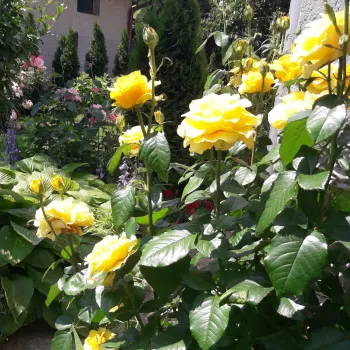
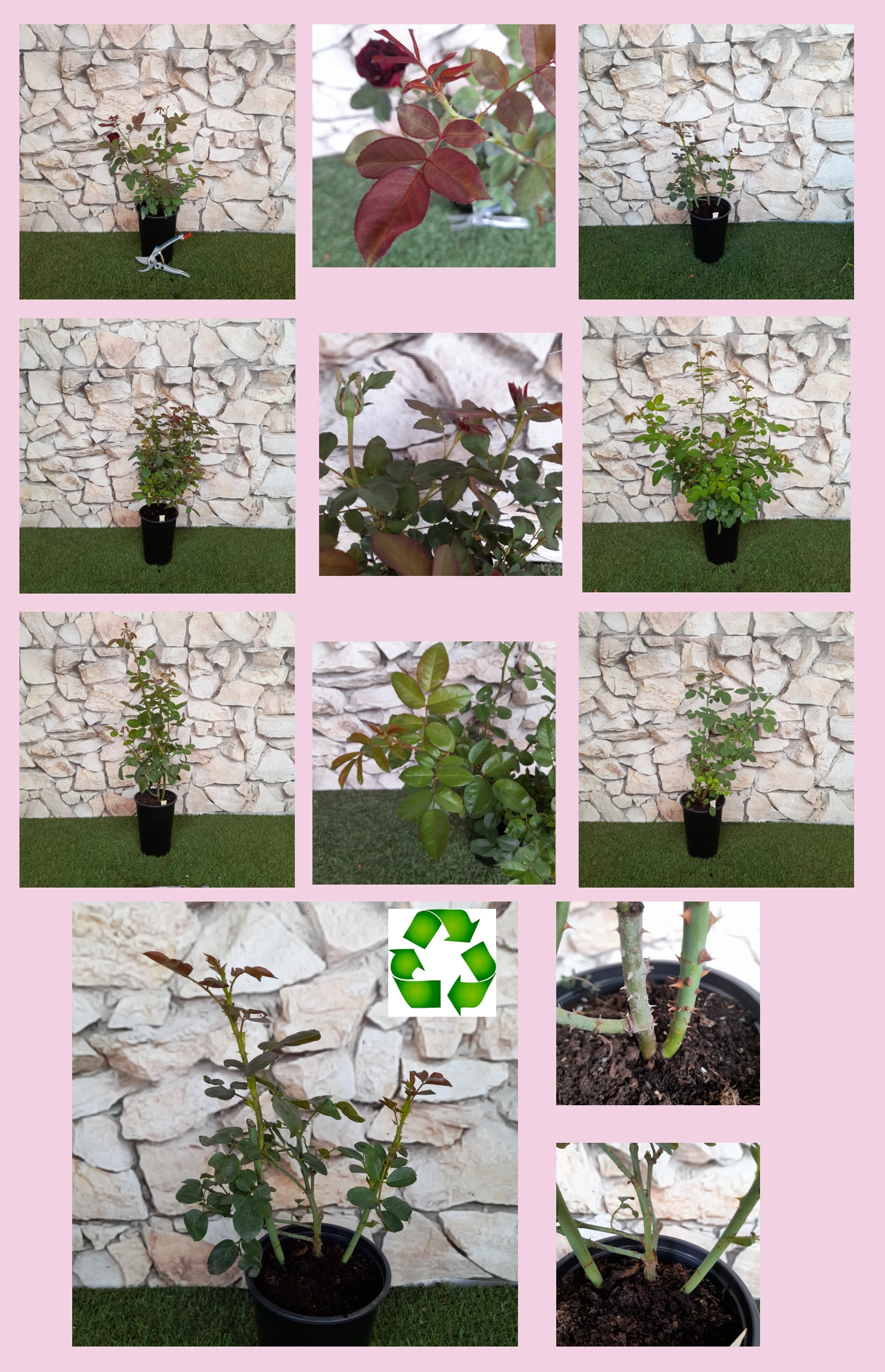
With its glowing golden blooms and upright habit, SUNBLEST brings a sense of balance and quiet elegance to compact London-style front gardens, even where soil is heavy and drainage must cope with frequent rain and blustery coastal weather. This hybrid tea offers generous, repeat flowering from summer into autumn, its colour holding richly on the bush for dependable visual impact rather than fleeting display. Grown on its own roots in a practical 2‑litre container, it settles steadily, supporting a long lifespan with good capacity to regenerate if winter or pruning are less than perfect. Medium maintenance needs suit hobby gardeners who want a standout specimen without specialist skills, while its neat, upright habit makes it easy to combine with fine grasses, lavender or box edging in a rainwater-conscious, sustainable front garden.
Usage options
| Target area | Reasoning |
|---|
| Front garden specimen for London terraces |
The upright, tidy structure and large, golden hybrid tea blooms create an immediate focal point in a narrow front garden, giving formality without fuss, well suited to time-pressed town-house owners and beginners |
| Mixed border in family gardens |
Medium height and moderately dense, glossy foliage allow SUNBLEST to sit comfortably among perennials and ornamental grasses, adding structured colour while remaining manageable for busy homeowners |
| Cutting patch or cutting row |
Long-stemmed, solitary flowers with durable, non-fading yellow tones are excellent for vases, so a small row in a sunny corner can supply reliable cut blooms for those who enjoy arranging flowers at home |
| Formal edging or low hedge |
Recommended planting distances support even, repeating structure along paths or driveways, giving a composed, classical look that matures into an orderly line of colour for design-conscious garden owners |
| Rain-aware urban planting with improved drainage |
Performs well in typical clay-based urban soils when combined with organic matter and grit, supporting gardens that need to handle heavier rain without waterlogging, reassuring sustainability-minded city gardeners |
| Own-root long-term feature plant |
As an own-root rose it can recover more easily from weather damage and harder pruning, building a resilient framework that will continue to flower for many seasons, appealing to those planning a long-term garden |
| Sunny lawn island bed |
The upright habit and bright colouring stand out when planted as a small group within turf, providing a defined accent that remains readable from windows and patios, ideal for families wanting simple visual interest |
| Large container on patio or balcony |
In a 40–50 litre peat-free container with regular watering, SUNBLEST becomes an easy-care feature close to seating areas, offering flowers at eye level for busy urban dwellers who prefer gardening in pots rather than borders |
Styling ideas
- Golden-axis – Plant SUNBLEST as a central accent between two low box spheres, underplanted with thyme to soften edges – for front-garden owners seeking classical structure with low daily effort.
- Terrace-trio – Combine one SUNBLEST with Nepeta and dwarf Stipa in a wide container for movement and contrast – for balcony gardeners wanting a tidy, fragrant, bee-friendly surround.
- Sunlit-ribbon – Line a short path with evenly spaced plants, backed by Coreopsis for a yellow-on-yellow display – for households that appreciate formal repetition without complex maintenance.
- Gravel-frame – Set SUNBLEST in a free-draining gravel strip with lavender and sage to aid rainwater soakaway – for urban gardeners managing clay soil and heavy downpours.
- Family-focus – Use a single bush in a small lawn island with low grasses for year-round presence – for families wanting a clear focal point that is easy to mow and live with.
Technical cultivar profile
| Trait | Data |
|---|
| Name and registration |
Hybrid tea group; registered as ‘Sunblest’ with the same trade name. Exhibition-quality cut-flower hybrid tea rose, recognised by the American Rose Society for show use. |
| Origin and breeding |
Bred by Mathias Tantau Jr. of Rosen Tantau, Germany, from an unlabelled seedling crossed with ‘King’s Ransom’; first introduced and registered in 1970 by Rosen Tantau. |
| Awards and recognition |
Tokyo Gold Medal at the Japan Rose Concours in 1971, followed by Gold Star of the South Pacific and National Rose Trial Ground Winner in New Zealand trials in 1973. |
| Growth and structural characteristics |
Upright habit, around 85–115 cm tall and 55–75 cm wide, with moderately dense, mid-green glossy foliage and moderate prickliness; self-cleaning is weak, so deadheading is recommended. |
| Flower morphology |
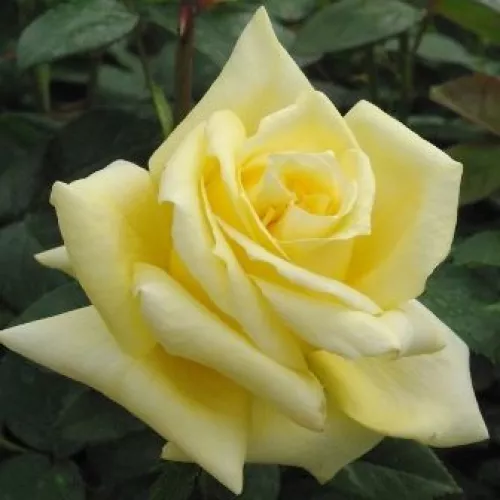
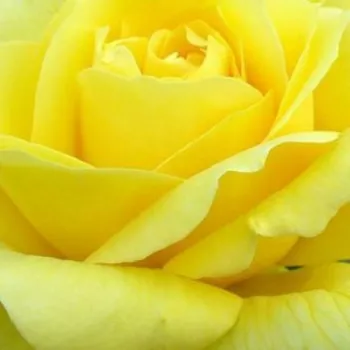
Large, double, solitary blooms with 26–39 petals on strong stems, classic hybrid tea form and good repeat flowering, with the second flush also notably abundant through the season. |
| Colour data and phenology |
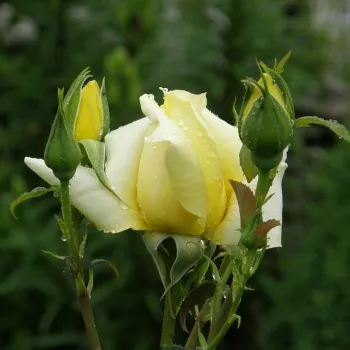
Intense golden-yellow colour, ARS code DY, RHS 14A–14B, showing bright lemon buds and deep yellow centres; colour holds particularly well with only slight fading as blooms age. |
| Fragrance and aroma |
Fragrance is very faint and barely noticeable; selected principally for flower form, colour strength and cutting quality rather than for pronounced scent or aromatic garden presence. |
| Hip characteristics |
Occasionally forms small, spherical orange-red hips about 8–12 mm in diameter, adding a discreet late-season accent without significantly affecting the plant’s repeat flowering habit. |
| Resistance and winter hardiness |
Hardy to about −26 to −23 °C (RHS H7, Swedish zone 4, USDA 5b) with moderate resistance to powdery mildew, black spot and rust; benefits from basic hygiene and monitoring. |
| Horticultural recommendations |
Prefers full sun and well-prepared soil; plant 40–70 cm apart depending on use, with 4.8–5.6 plants/m² for massing, and maintain regular watering plus occasional pest and disease checks. |
SUNBLEST offers luminous, long-lasting yellow blooms, a tidy upright habit and dependable cutting value on a practical own-root plant, making it a considered choice for those shaping a long-lived, easy-care garden feature.