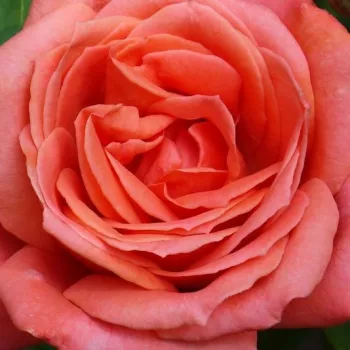
Soyeuse de Lyon – Hybrid tea rose – DUCsoy
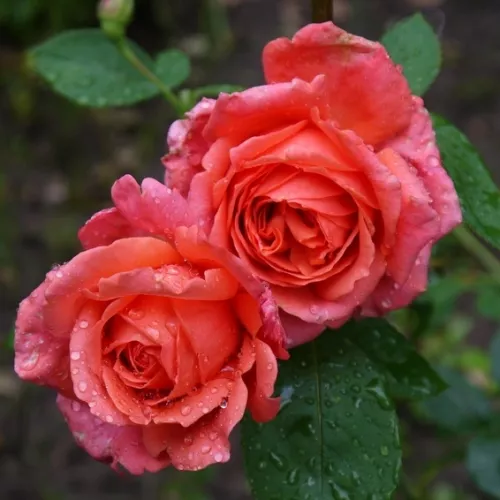
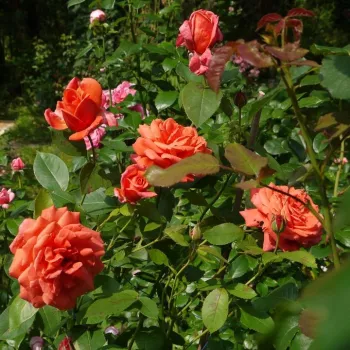
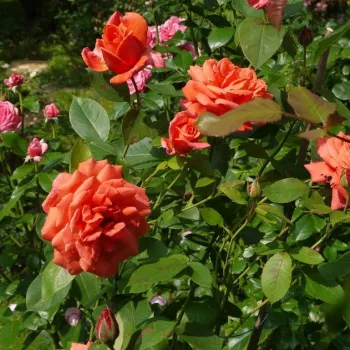
Slip into the subtle charm of Soyeuse de Lyon, a hybrid tea rose designed for today’s urban gardens where space, time and water are all carefully balanced. Its bushy, upright habit and moderately dense, dark green foliage give reliable structure in small front gardens and terraces, while its salmon‑orange blooms fade gently to peach‑pink for a soft, “girly” street‑side display. Low maintenance and naturally disease‑resistant, it suits busy households and rain‑fed planting where heavy showers and persistent wind are part of everyday weather patterns. As an own‑root rose it is bred for longevity, regenerating steadily below ground so you can enjoy stable ornamental value for many years. Planted in borders or in a generous 40–50 litre container, it settles in comfortably, with roots first, then stronger shoots, before reaching full garden presence by around year three, giving you time to relax into a feeling of quiet balance and everyday elegance.
Usage options
| Target area | Reasoning |
|---|
| London terraced-house front garden feature |
The bushy, upright habit and 3.4–4.4 ft height give a clear vertical accent that sits neatly behind a low fence or railing, while the refined hybrid tea blooms create a soft, welcoming first impression for arriving guests and passers-by alike, especially appealing to homeowners. |
| Rainwater-friendly, low-intervention border |
Good resistance to black spot, powdery mildew and rust means fewer chemical sprays and less fuss in damp, close-planted beds, making it a strong option where frequent rain and coastal winds create persistent disease pressure, reassuring for sustainability-minded beginners. |
| Long-lived own-root specimen in small gardens |
Grown on its own roots rather than grafted, this rose regenerates from the base if damaged, maintaining shape and flowering performance over many seasons and suiting gardeners who want a plant that matures gracefully with their outdoor space, valued by urban families. |
| Cut-flower source for the home |
The large, cupped, double blooms on solitary stems are ideal for cutting, bringing their warm orange-salmon tones indoors as elegant vase pieces that hold form well and elevate everyday rooms without needing professional arranging, ideal for style-conscious hobbyists. |
| Compact hybrid tea for balcony or large container |
Its moderate spread fits comfortably into a substantial 40–50 litre pot, where consistent moisture from stored rainwater and good drainage support steady flowering, giving colour and structure on balconies or paved front gardens for time-poor city-dwellers. |
| Extended-season flower bed highlight |
With abundant repeat flowering, the shrub moves from bright buds to soft, fading tones over a long season, ensuring there is usually something in bloom and reducing the need for complex planting schemes to maintain interest, particularly welcome for relaxed gardeners. |
| Sustainable, commemorative planting |
As the official rose for the 150th anniversary of Lyon’s Parc de la Tête d’Or, it offers a quiet sense of history and continuity, suiting thoughtful plantings that mark family milestones or long-term projects, especially meaningful for reflective collectors. |
| Structured mixed border with perennials |
The dark, slightly glossy foliage and upright bush form create a stable backbone for looser companions such as lavender, bluebeard or sage, while its consistent outline helps the border stay legible even after heavy rain and wind, supporting design-focused planners. |
Styling ideas
- Silk-Faced Entrance – Underplant with low lavender and soft grasses to echo its peach‑pink fades, framing a narrow front path with gentle movement – ideal for design-aware terrace homeowners.
- Rain-Softened Border – Combine with nepeta and sage in a mulched bed that takes roof runoff, where its disease resistance keeps foliage clean – suitable for busy urban gardeners.
- Balcony Atelier – Grow one plant in a 40–50 litre clay pot with thyme at the base, using captured rainwater for irrigation – perfect for compact-space city dwellers.
- Cut-Flower Nook – Plant a small row near the back door with box edging, giving easy access to long-stemmed blooms for the vase – appealing to creative floral enthusiasts.
- Commemorative Corner – Pair with boxwood and a simple bench to create a reflective spot where its historic Lyon connection underscores family milestones – fitting for sentimental garden owners.
Technical cultivar profile
| Property | Data |
|---|
| Name and registration |
Hybrid Tea group rose registered as DUCsoy, marketed as Soyeuse de Lyon Hybrid tea rose DUCsoy; commercial hybrid tea, exhibition quality blooms for garden and cutting use. |
| Origin and breeding |
Bred by Fabien Ducher at Roseraie Ducher, France, with parentage not published; introduced and registered in 2007, representing a modern hybrid tea with classical flower form. |
| Awards and recognition |
Chosen by Lyon City Council as the official commemorative rose for the 150th anniversary of Parc de la Tête d’Or in 2007, adding cultural interest to its garden performance. |
| Growth and structural characteristics |
Bushy, upright shrub typically 105–135 cm high with a 60–85 cm spread; moderately dense, slightly glossy dark green foliage, with moderate prickliness offering a balanced garden presence. |
| Flower morphology |
Cupped, large double blooms with approximately 26–39 petals, carried mostly singly on stems; remontant, with a notably abundant second flush that supports season-long ornamental display. |
| Colour data and phenology |
Medium salmon-orange base with soft pink undertones; bright buds open warm orange-salmon, then fade through apricot-pink to peach-pink, maintaining decorative appeal as each flower ages. |
| Fragrance and aroma |
Mild, understated rose fragrance that complements rather than dominates nearby seating areas; suited to those preferring a gentle scent that integrates comfortably into small urban gardens. |
| Hip characteristics |
Occasionally forms small, spherical red hips about 8–12 mm in diameter, adding a discreet late-season detail without significantly affecting overall flowering or garden maintenance routines. |
| Resistance and winter hardiness |
Rated resistant to powdery mildew, black spot and rust; hardy to approximately −21 to −18 °C (RHS H7, USDA 6b), making it suitable for most temperate UK garden situations. |
| Horticultural recommendations |
Best in well-drained soil with regular moisture; plant 60–90 cm apart depending on use, in beds or 40–50 litre containers, with routine deadheading and light pruning to encourage repeat bloom. |
Soyeuse de Lyon offers long-season, repeat flowering, reliable disease resistance and the steady resilience of an own-root hybrid tea rose, making it a thoughtful choice if you favour enduring structure with gentle colour shifts.