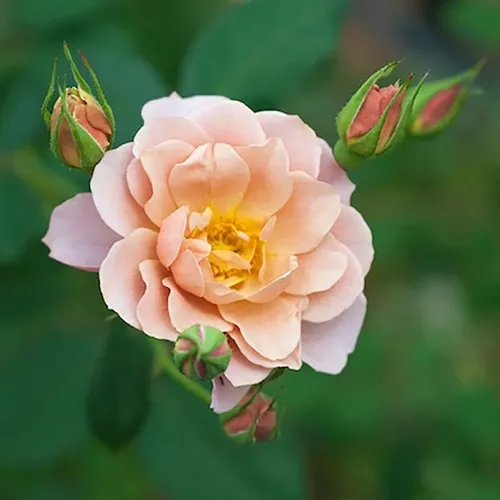
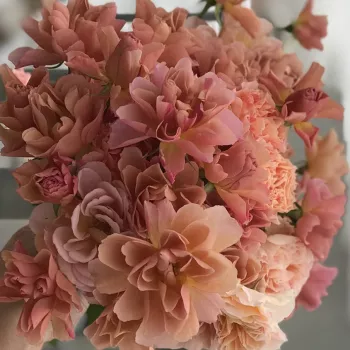
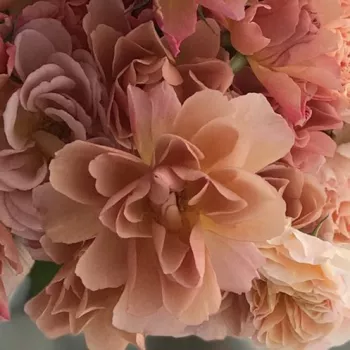
SOLA – pink bedding floribunda rose - Kunieda
In a compact front garden or balcony, Sola settles in quickly and offers weeks of soft, dusty pink blooms on sturdy sprays, even where gardens face regular wind and rain on heavier soils that need thoughtful drainage. This floribunda’s semi-double flowers open their golden centres to visiting bees, making it a quietly useful pollinator choice for small city spaces. Bred in Japan by Keiji Kunieda and grown on its own roots, it is designed for a long garden life with reliable structure and dense mid-green foliage. With low maintenance needs and strong disease resistance, you can simply plant, mulch and water with stored rainwater, then watch it move from settling-in year to well-branched shrub and finally to full, season-long ornamental impact.
Usage options
| Target area | Reasoning |
|---|
| London terraced-house front garden border |
Neat height and 50–75 cm spread make Sola ideal for a slim, visible front border, giving a structured line of soft pink colour without blocking light or sightlines for neighbours or passers-by, especially valued by the busy urban homeowner. |
| Rainwater-friendly urban planting strip |
Its upright habit, dense foliage and low maintenance needs suit planting into improved heavy clay where you manage downpipes and surface run-off with permeable soil and mulches, helping a greener streetscape for the sustainability-minded gardener. |
| Informal, “girly” mixed bed with perennials |
Semi-double lavender-pink sprays blend easily with lavender, nepeta or meadow sage, creating a soft, romantic look that still feels modern and not over-fussy, reassuring for design-conscious but time-poor urban beginners. |
| Compact family back garden shrub rose |
Steady 80–120 cm growth and good disease resistance keep pruning and spraying needs low, forming a tidy, long-lived shrub that copes well with typical family use and changeable weather for the practical small-garden owner. |
| Own-root long-term feature in mixed hedge |
The own-root habit supports a long lifespan and stable flowering; if stems are damaged, fresh shoots arise from below, so the plant recovers and keeps its character, a reassuring choice for future-focused planners. |
| Cutting row for home flower arrangements |
Clustered, medium-sized stems are easy to cut for vases, while remontant flowering gives multiple flushes across the season, so you can enjoy both garden display and indoor stems, especially appreciated by creative home florists. |
| Pollinator-supporting city border |
Semi-double blooms with exposed stamens provide accessible pollen, attracting visiting bees more readily than very full doubles, so you add subtle colour and a little ecological support, suiting nature-aware balcony and courtyard gardeners. |
| Large container on balcony or paved front |
In a 40–50 litre or larger pot, roots have room to establish, then in year two build strong branching, and by the third year deliver full ornamental value with minimal fuss, a reassuring progression for cautious first-time rose buyers. |
Styling ideas
- Soft-Edge Border – Line a narrow front bed with Sola and interplant lavender and threadleaf coreopsis for a pastel, feathery edge that stays tidy – ideal for style-focused terraced-house owners.
- Balcony Feature – Grow one or two plants in 50 litre containers with nepeta tumbling at the rim for movement and relaxed colour – perfect for busy city dwellers with only a balcony or patio.
- Romantic Hedge – Plant at 45 cm spacing to form a low, pink, semi-transparent hedge that still lets light through – suited to families wanting gentle privacy without a heavy screen.
- Pollinator Ribbon – Thread Sola through a strip of meadow sage and ornamental grasses to create an informal, insect-friendly ribbon along a path – good for wildlife-aware beginners.
- Pastel Cutting Patch – Combine Sola with pale annuals in a small cutting bed for easy, repeat harvests of soft-toned stems – attractive for home florists who like simple, reliable crops.
Technical cultivar profile
| Parameter | Data |
|---|
| Name and registration |
Sola – pink bedding floribunda rose, Kunieda selection; floribunda shrub in the bed rose group, marketed for both garden use and sprays suitable for cutting, verified premium gold quality for eleanorROSE ORIGINAL. |
| Origin and breeding |
Bred in Japan by Keiji Kunieda, with commercial development by Rose Farm Keiji and Rose Universe Co Ltd; introduced internationally as a cut-flower garden rose from 2021 before wider garden availability. |
| Awards and recognition |
Proflora Variety Contest 2021, Garden Rose category: 3rd place grower award, highlighting its combination of aesthetic flower form and practical performance in professional production and display conditions. |
| Growth and structural characteristics |
Upright, well-branched shrub, generally 80–120 cm high and 50–75 cm wide, with dense, mid-green, slightly glossy foliage and moderate prickles; designed to sit comfortably in small beds or mixed plantings. |
| Flower morphology |
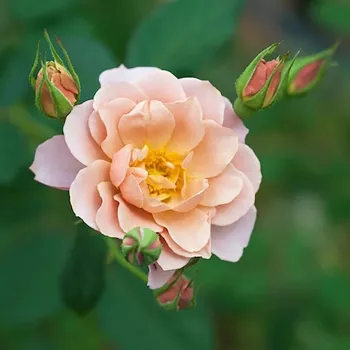
Semi-double, medium-sized, cup-shaped clusters on spray stems, with around 17–25 petals; remontant habit gives generous repeat flushes, including a notably abundant second flowering phase in typical seasons. |
| Colour data and phenology |
Dusty lavender-pink flowers with subtle beige-pink centres; RHS 75C outer and 73D inner tones shifting towards peach-beige and silvery edges as they age, giving nuanced, ever-changing colour through each flush. |
| Fragrance and aroma |
No detectable fragrance; selected primarily for colour, form and garden reliability rather than scent, making it suitable where pollen access and visual effect are preferred over strong perfume in family gardens. |
| Hip characteristics |
Produces moderate numbers of small, 8–12 mm, ovoid orange-red hips, adding a quiet seasonal interest in late season where spent flowers are not deadheaded, and offering an additional wildlife-supporting feature. |
| Resistance and winter hardiness |
Rated hardy to approximately –21 to –18 °C (RHS H7, Swedish Zone 3, USDA 6b) with good resistance documented against powdery mildew, black spot and rust, reducing the likely need for routine chemical treatments. |
| Horticultural recommendations |
Suited to low-maintenance mass bedding, hedging or specimen planting at 45–90 cm spacings; benefits from improved drainage on clay, regular mulching, and consistent watering, ideally using collected rainwater supplies. |
Sola – pink bedding floribunda rose - Kunieda brings long-season sprays, reliable disease resistance and compact structure in an own-root form that matures steadily over the years; a thoughtful choice if you prefer beauty with minimal effort.