Park & shrub rose

90-057-1
90-057-2

Sibelius

Park - shrub rose

LENbar – Louis Lens

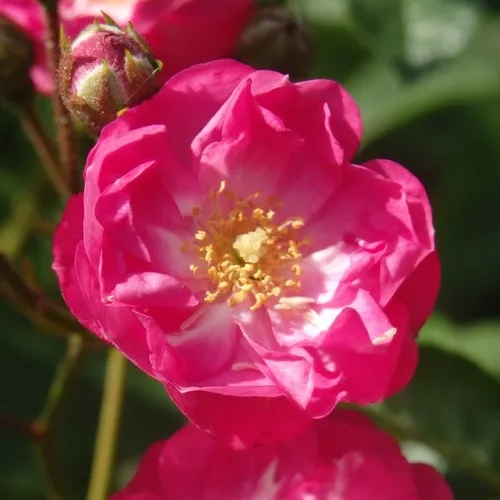
The petals are predominantly violet‑purple in hue, with a subtle pinkish tinge in the centre. - park rose - mild, restrained-scented rose - soft, rose-scented character

– Compact, bushy habit for versatile planting.
– Distinctive violet‑purple blooms with silvery tones.
– Flowers prolifically in repeat flushes.
– Hardy shrub rose, reliable to H7.
– Bee‑friendly semi‑double flowers with open centres.
Special feature: Forms decorative red hips for autumn interest.
Garden-tailored choice – Environmentally conscious choice
Sibelius
eleanorROSE® ORIGINAL 2-litre own-root potted rose
21,20 £
Unfortunately, we are currently unable to ship to the United Kingdom; we only deliver to countries within the European Union. For more information, please contact us!
4 (5838)
facebook   twitter

SIBELIUS – violet-purple park rose - Lens

Step off the busy pavement into a front garden of balance and quiet colour, where SIBELIUS lines a narrow path with violet‑purple clusters that flower repeatedly from early summer to frost. This Hybrid Musk shrub settles in reliably even where soils are heavy and winter winds are searching, supporting practical, rain‑aware planting in compact urban plots. Its semi‑double blooms open wide for bees, while the dark green foliage frames the shifting mauve tones and autumn hips. As an own‑root rose it establishes steadily for the long term, growing roots first, then building shoots, before reaching full ornamental presence by the third year, giving you enduring structure, relaxed maintenance, subtle fragrance, pollinator‑friendly blooms, sustainable planting and lasting seasonal interest.


Usage options

Target area Reasoning
Narrow London front garden hedge The bushy habit and 85–130 cm height make an elegant, people‑friendly hedge that screens bins or cars without feeling overbearing, while own‑root resilience keeps gaps from appearing over time, suiting busy urban gardeners.
Bee‑friendly entrance planting Semi‑double, clustered flowers with exposed stamens stay accessible for bees over a long season, and the shifting violet‑mauve tones give interest from the pavement, appealing to pollinator‑conscious beginners.
Rain‑aware clay front border This shrub copes well where wind and rain run along terraced streets, and its fibrous own‑root system settles into improved heavy clay with simple mulching and good drainage, reassuring rainwater‑saving households.
Low‑maintenance family bed or edging Medium maintenance needs, repeat flowering and reliable structure mean you mainly prune once a year and water in dry spells, gaining colour and shape without constant fuss, ideal for time‑pressed home gardeners.
Long‑lived specimen in small garden As an own‑root shrub it ages gracefully, regrowing from the base if stems are damaged and avoiding the short lifespan of some grafted roses, a calm choice for future‑minded garden owners.
Large container on balcony or patio In a 40–50 litre pot with peat‑free compost and regular watering, its upright, bushy form and modest height provide a fragrant, space‑efficient focal point, particularly attractive for compact city spaces.
Mixed planting with perennials The airy, clustered flowers work beautifully with soft mounds of lady’s mantle, nepeta or lavender, giving layered texture and season‑spanning colour that evolves gently, inspiring design‑curious amateurs.
Seasonal interest near windows or paths From deep crimson‑purple buds to violet bloom, then pale mauve and red hips, this shrub offers a subtle sequence to enjoy up close in everyday views, rewarding detail‑loving observers.

Styling ideas

  • Romantic frontage – Line a short path with SIBELIUS underplanted with lady’s mantle and soft pink gypsophila for a hazy, feminine welcome – for front‑garden stylists.
  • Urban meadow – Combine with airy grasses and cypress spurge in a gravel strip to echo wild planting while keeping maintenance low – for city wildlife enthusiasts.
  • Balcony focal – Grow in a 50 litre pot with trailing thyme and nepeta to create a scented, bee‑friendly corner – for flat dwellers with a sunny ledge.
  • Contemporary hedge – Plant in a loose, single line with varied spacing and mulch heavily, allowing natural shapes to form a soft, modern screen – for design‑led homeowners.
  • Cool‑tone mix – Weave SIBELIUS through blue sage, lavender and silvery foliage for a restrained purple palette that calms busy views – for colour‑conscious planners.

Technical cultivar profile
Property Data
Name and registration Shrub, Hybrid Musk park rose; registered as LENbar, marketed as SIBELIUS – violet-purple park rose - Lens; approved exhibition name ‘Sibelius’ within the shrub rose category.
Origin and breeding Bred by Louis Lens (Lens Roses NV, Belgium) from ‘Mr. Bluebird’ × ‘Violet Hood’; bred and registered in 1981, introduced commercially in 1984 through Lens Roses.
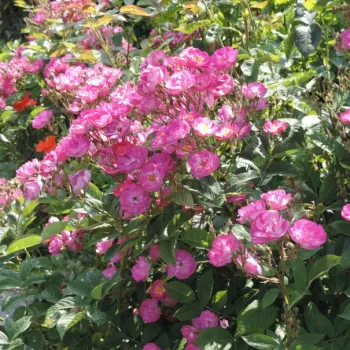
Growth and structural characteristics Bushy shrub 85–130 cm tall and 60–90 cm wide, moderately thorny, with dense, slightly glossy dark green foliage, forming a compact, well‑filled structure suitable for hedges and beds.
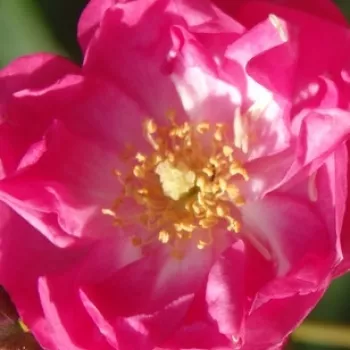
Flower morphology Semi‑double, cup‑shaped flowers, 13–25 petals, small but borne in large clusters; remontant, with a generous second flush and repeated blooming across the season in trusses.
Colour data and phenology Predominantly violet‑purple with pinkish centres; buds deep crimson‑purple, opening vivid purple‑lilac, then fading to pale mauve‑grey with silvery pink edges; very good colour retention noted.
Fragrance and aroma Mild, soft rose fragrance of restrained intensity, best appreciated at close range along paths or near seating, adding a gentle scented layer without overwhelming confined urban spaces.
Hip characteristics Produces moderate crops of small, spherical red hips 5–8 mm across; hips follow flowering in autumn and can add a discreet ornamental accent and seasonal structure in mixed plantings.
Resistance and winter hardiness Hardy to about −21 to −18 °C (RHS H7, Swedish Zone 3, USDA 6b); disease resistance moderate to black spot, mildew and rust, benefiting from good air flow and simple preventive care.
Horticultural recommendations Suited to beds, edging, hedges, specimens, large pots and urban green space; spacing 40–75 cm depending on use, with 4.2–4.8 plants/m² in mass plantings for a filled, coherent effect.

SIBELIUS – violet-purple park rose - Lens offers long-season bee-friendly colour, compact structure and durable own-root growth, making it a thoughtful choice if you value calm, low-effort beauty in a small garden.
Detailed product attributes

Product Identification Data

Product Name: SIBELIUS – violet-purple park rose - Lens
Product Type: eleanorROSE® ORIGINAL - 2-litre own-root potted rose
Cultivar Authenticity: Verified:02.07.2025
Cultivar Quality Rating: premium bronze
Item Number: [1407] 90-057 (14.02.2026) eleanorrose.co.uk

Name and Registration

Meaning of Cultivar Name: The name honours the Finnish composer Jean Sibelius.
Current Trade Name: Sibelius Park - shrub rose LENbar
Rose Group: Shrub, Hybrid Musk
Commercial Type: park rose
Commercial Group: Park - shrub rose
Exhibition Category: shrub rose
Collection: Park - shrub rose

Origin and Breeding

Initial Distributor: Lens Roses (Belgium)
Breeder: Louis Lens
Breeding Company / Institution: Lens Roses NV (Belgium)
Breeding Year: Belgium, 1981
Parentage: ‘Mr. Bluebird’ × ‘Violet Hood’

Growth and Structural Characteristics

Height: 2.8-4.3ft (85-130 cm)
Spread: 2-3ft (60-90 cm)
Growth Habit: bushy
Foliage: The variety’s foliage is dense. Its leaves have a slightly glossy surface and a dark green shade.
Prickliness: moderately thorny
Self-Cleaning Description: No data on self-cleaning.
Self-Cleaning Intensity: No data available on self-cleaning strength.

Flower Morphology

Petal Count: 13-25
Flower Fullness: semi-double-flowered
Flower Shape: cup-shaped
Flower Size: S (0,5-1,5 in)
Inflorescence Type: clustered, large
Colour Code: ARS code: M RHS code: 75A (outer), 75C (inner)
Repeat Flowering: Remontant, its second flowering is also prolific.

Colour Data and Phenology

Colour: purple-lilac
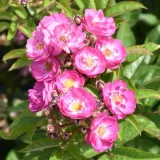
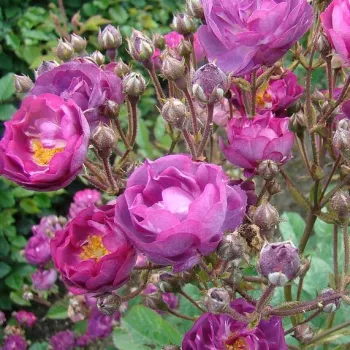
Flower Colour Description: The petals are predominantly violet‑purple in hue, with a subtle pinkish tinge in the centre.
Closed Bud: The closed buds are deep, dark crimson‑purple, becoming even more intense towards the tip.
Newly Opened Flower: When opening, vivid purple-lilac, paler in the centre with a pinkish hue.
Full Bloom: Fully open deep purple, with petal bases a lighter pink and yellow stamens providing a strong contrast.
Before Fading: As it fades, the deep purple fades to a pale purplish‑grey, with a silvery pink appearing at the edges.
Colour Fading Description: As it opens, the bright violet-purple gradually fades to a pale mauve-grey, with a silvery pink appearing at the edges.

Fragrance and Aroma

Fragrance Strength: mild, restrained-scented rose
Fragrance Character: soft, rose-scented character
Pollinator Attraction: Its open, single flowers and readily accessible stamens make it highly attractive to bees.
Pollinator-Friendly Rating: Moderately pollinator-friendly due to its semi-double flowers; its open habit and readily accessible stamens attract bees.

Hip Characteristics

Hip Shape: spherical
Hip Colour: red
Hip Comment: Produces a moderate crop of spherical red rose hips in autumn, 5–8 mm in diameter, and may have ornamental value.

Resistance and Hardiness

Hardiness (°C): -21–-18 °C
Heat and Drought Tolerance Description: Reliable in warm conditions; requires watering during prolonged drought.
Disease Resistance: moderate
  • powdery mildew – moderate
  • black spot – moderate
  • rust – moderate

Horticultural Recommendations

Recommended Planting Distance: 50 cm for mass planting, 40 cm for hedging, 75 cm as a solitary specimen
Planting Density: in square planting 4,2 plants/m², in hexagonal arrangement 4,8 plants/m²
Partial Shade Tolerance: suitable for partial shade
Maintenance Requirement: Maintenance requirement medium; occasionally requires pest control.
Primary Uses: bed, edging, specimen, hedge, pot, cut flower, urban green space

Comments

Strengths: Garden-tailored choice – Environmentally conscious choice
Companion Plants: Euphorbia cyparissias 'Fens Ruby' - cypress spurge
Gypsophila 'Festival Pink Lady' - baby's breath
Alchemilla mollis - lady's mantle
Comment: -
SIBELIUS – violet-purple park rose - Lens
The petals are predominantly violet‑purple in hue, with a subtle pinkish tinge in the centre. - park rose - mild, restrained-scented rose - soft, rose-scented character
Online rose order - purple-lilac - Sibelius - park rose - (2.8-4.3ft (85-130 cm))
Inflorescence: clustered, large Height: 2.8-4.3ft (85-130 cm) Flower shape: cup-shaped Winter hardiness: 4b purple-lilac - Lens Roses (Belgium) park rose - Flower size: S (0,5-1,5 in) Flower size: S (0,5-1,5 in) - Height: 2.8-4.3ft (85-130 cm) Height: 2.8-4.3ft (85-130 cm) - Flower fullness: semi-double-flowered Sibelius - Roses in the garden | eleanorROSE® Original - premium bronze Louis Lens

We showcase the external appearance of the roses available for online purchase from our webshop.


Which product type is right for you?


Information

In what condition do we send the rose from our online webshop?

Let us ask ourselves the question: What would I like to use the rose for?
Flower? - Location? - Screening? - Fragrance? - Height? - Breeder? - Rose hip?

Information on buying roses
Methods of payment - Delivery costs - Delivery - Complaints handling

Care guide

Our product is a rose grown with the unique PharmaRosa® cultivation technology!

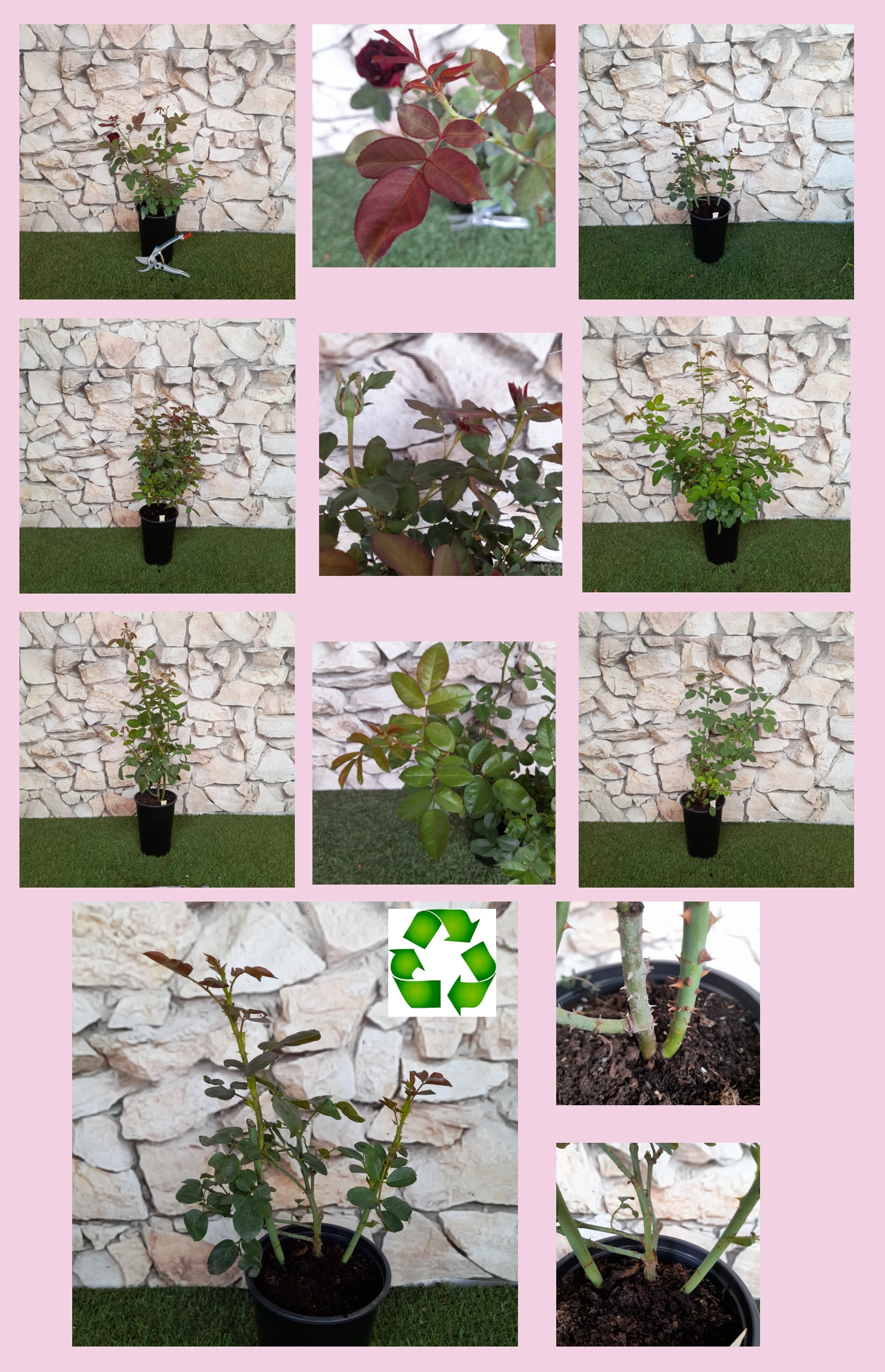
2 litre, own-root, potted rose.
With shoots appropriate to the season.

With a root system that thoroughly permeates the growing medium.

Quality in line with the requirements of the E.N.A. (European Nurserystock Association).
In unique packaging designed to prevent damage.
Can be planted during frost-free periods.
True-to-name rose plant with a unique identifier.

The PharmaRosa® own-root potted rose is a fully rooted plant that guarantees reliable establishment for you, so it can be planted at any time of the year during frost-free periods.


Crop: several varieties at several stages of development in a short crop section.
Shoot system: intensive growth of fresh basal shoots on a young plant.
Root system: demonstration of a vigorous root system that permeates the growing medium, with the pot removed.
Balance: mature plant with the development of the root system and the shoots in harmony.

Information about the videos
This video series is not a “seasonal showcase”, but makes the essence of the PharmaRosa® own-root cultivation tangible: how the plant is structured, what the root system looks like and how the shoot system renews itself. The footage was therefore recorded at several different times on plants at various stages of development, so mixed leaf cover and differing levels of development may appear in the videos. This is not a “sample” of the consignment delivered, but an illustration of how the technology works. The current, season-specific condition of the rose you are purchasing (the state in which you can expect to receive it in the parcel) is shown at the top of the product page.

pharmarosa.atpharmarosa.compharmarosa.depharmarosa.ropharmarosa.sipharmarosa.skpharmarosa.hrpharmarosa.itpharmarosa.frpharmarosa.grpharmarosa.bepharmarosa.dkpharmarosa.nlpharmarosa.iepharmarosa.plpharmarosa.lupharmarosa.ptpharmarosa.espharmarosa.bgpharmarosa.ltpharmarosa.sepharmarosa.lvpharmarosa.eepharmarosa.fipharmarosa.rudarinarose.co.ukpharmarosa.cz

Product types

Pages for private customers
Garden roses for the family garden, with minimal care  → ORIGINAL®
Premium garden roses – instant impact, a truly showpiece garden  → EXTRA®
Pages for professionals and private customers
Roses for public spaces – large areas, sustainable maintenance  → NATURAL®
Roses for projects – hedge and row planting, fast implementation  → RAPID®
For professional partners only
Production – propagation material for garden roses, wholesale  → NEONATAL®

Company details

PharmaRosa Ltd.
Company registration number: 01-09-717479
VAT number: 13075314-2-43
Plant health registration no.: HU130721
Bank account (IBAN):
HU85117631891388688400000000
BIC (SWIFT): OTPVHUHB
Bank name: OTP Bank Nyrt.