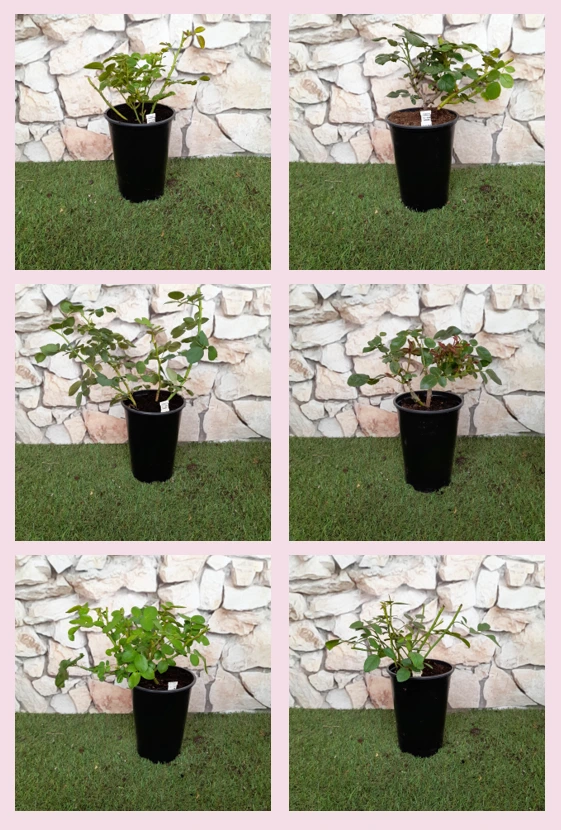
PROSPERITY – white park rose - Pemberton
Step through your London front gate after rain and meet Prosperity, a hybrid musk shrub rose that brings calm balance to compact, sustainable gardens. Its semi-double, ivory-white clusters arch gracefully on bushy growth, handling typical British rainfall and breeze with reassuring poise even where drainage is challenging. Strong, muscat-like fragrance drifts along narrow paths, while glossy, dark green foliage anchors the planting year-round in small family plots. Because this is an own-root rose, it builds a durable framework that regenerates well after pruning and supports a naturally long lifespan. In your first season it concentrates on roots, the second brings taller shoots, and by the third year you enjoy its full abundance of flowers. Ideal for “girly”, rainwater-friendly front gardens, it partners beautifully with lavender and nepeta for a soft, low-maintenance border and works just as well in a generous 40–50 litre container as by the path.
Usage options
| Target area | Reasoning |
|---|
| Front garden specimen by the path |
Upright, bushy growth to around 130–200 cm makes ‘Prosperity’ a natural focal point beside a narrow front path, with nodding clusters at nose height offering long-season scent and a composed look for time-pressed homeowners. |
| Informal flowering hedge |
Planted at about 110 cm centres, it knits into a softly arching, semi-transparent hedge, giving repeated flushes of ivory-white flowers without the rigid lines of formal edging, suiting relaxed, family-focused gardeners. |
| Mixed “girly” border with perennials |
The refined, creamy-white clusters blend easily with pinks and pastels, pairing well with lavender, salvia or nepeta to create a romantic, low-effort border that stays elegant even when you have limited weekends. |
| Rainwater-friendly urban planting strip |
Its robust shrub framework and moderate maintenance needs allow planting into improved clay or street-side beds, helping green small front plots where rainfall can be heavy and drainage less than ideal for busy city-dwellers. |
| Large container on balcony or terrace |
In a 40–50 litre pot, its upright habit and corymbs of small blooms give height without overwhelming the space, while own-root resilience supports long-term use in containers valued by space-conscious balcony-owners. |
| Lightly shaded side return or passage |
Good tolerance of partial shade means it still flowers reliably where houses or fences cast shade for part of the day, bringing scent and structure to awkward side areas appreciated by practical home-owners. |
| Low-maintenance family flower bed |
Medium maintenance with self-cleaning clusters on many stems keeps the shrub presentable with only occasional deadheading and pruning, providing dependable colour and scent without complex routines for novice gardeners. |
| Long-term structural planting in small gardens |
Own-root growth provides a durable, regenerating base, less prone to graft failure, so the shrub maintains its ornamental value year after year, suiting those planning a stable, enduring layout for their family-garden. |
Styling ideas
- Romantic-Frontage – Underplant with lavender and soft pink salvias, edging the path with gravel to let rain soak in – ideal for terrace-house owners wanting a feminine, low-fuss welcome.
- Cottage-Ribbon – Thread ‘Prosperity’ through a border of foxgloves, nepeta and soft grasses to create a loose, cottage feel that works hard in small urban front gardens.
- Soft-Hedge – Plant in a gentle line with gaps for perennials like coreopsis and low alchemilla, giving privacy without a solid barrier, perfect for sociable family plots.
- Container-Classic – Set one shrub in a 50 litre clay pot with trailing thyme and violas, framing a doorway while keeping maintenance simple for busy professionals.
- Pastel-Pergola – Use at the base of a light pergola with climbers, its upright, arching stems filling the lower storey in creamy tones that suit calm, scent-focused seating corners.
Technical cultivar profile
| Property | Data |
|---|
| Name and registration |
Hybrid musk shrub rose, registered cultivar name ‘Prosperity’; commercial type park rose within the Park - shrub rose group; ARS approved exhibition name ‘Prosperity’ for show and collection use. |
| Origin and breeding |
Bred in the United Kingdom in 1919 by Rev. Joseph Hardwick Pemberton from ‘Marie-Jeanne’ × ‘Perle des Jardins’; introduced commercially in 1921, later distributed widely by Hazlewood Bros. in Australia. |
| Awards and recognition |
Holds the RHS Award of Garden Merit, indicating reliable garden performance, good ornamental value and general soundness under typical UK conditions when grown with reasonable care and maintenance. |
| Growth and structural characteristics |
Bushy shrub with upright shoots that arch slightly under flower weight; height around 130–200 cm, spread 100–160 cm; dense, glossy, dark green foliage and moderate prickliness on the stems. |
| Flower morphology |
Semi-double, cup-shaped blooms in corymbose clusters; each small flower is around 0.5–1.5 inches with 13–25 petals; remontant habit gives a generous second flush after the main early summer display. |
| Colour data and phenology |
Delicate ivory to creamy white with a soft buttery tint; cool weather brings a faint pink edge, which diminishes in warmth; colour holds well as petals age, keeping clusters fresh-looking on the plant. |
| Fragrance and aroma |
Strong, long-lasting scent with a muscat-like character; fragrance is notable around paths and seating areas, especially in still, humid weather, adding sensory interest beyond the purely visual display. |
| Hip characteristics |
Produces only small numbers of very small hips, typically 0–5 mm across; hips are not a major ornamental feature and are usually concealed by the foliage and continuing flowering on the shrub. |
| Resistance and winter hardiness |
Rated H7 by RHS, hardy to around -21 to -18 °C; tolerates typical UK winters, moderate heat and some drought with watering in dry spells; resistant to powdery mildew, with moderate black spot and rust. |
| Horticultural recommendations |
Suited to beds, specimens, informal hedges, parks, pergolas and urban greens; performs in partial shade; allow around 110–200 cm spacing; maintenance is moderate, with occasional pruning and pest checks. |
PROSPERITY offers fragrant, repeat flowering, own-root reliability and graceful shrub structure for long-lived, low-fuss planting, making it a thoughtful choice for your garden plans.