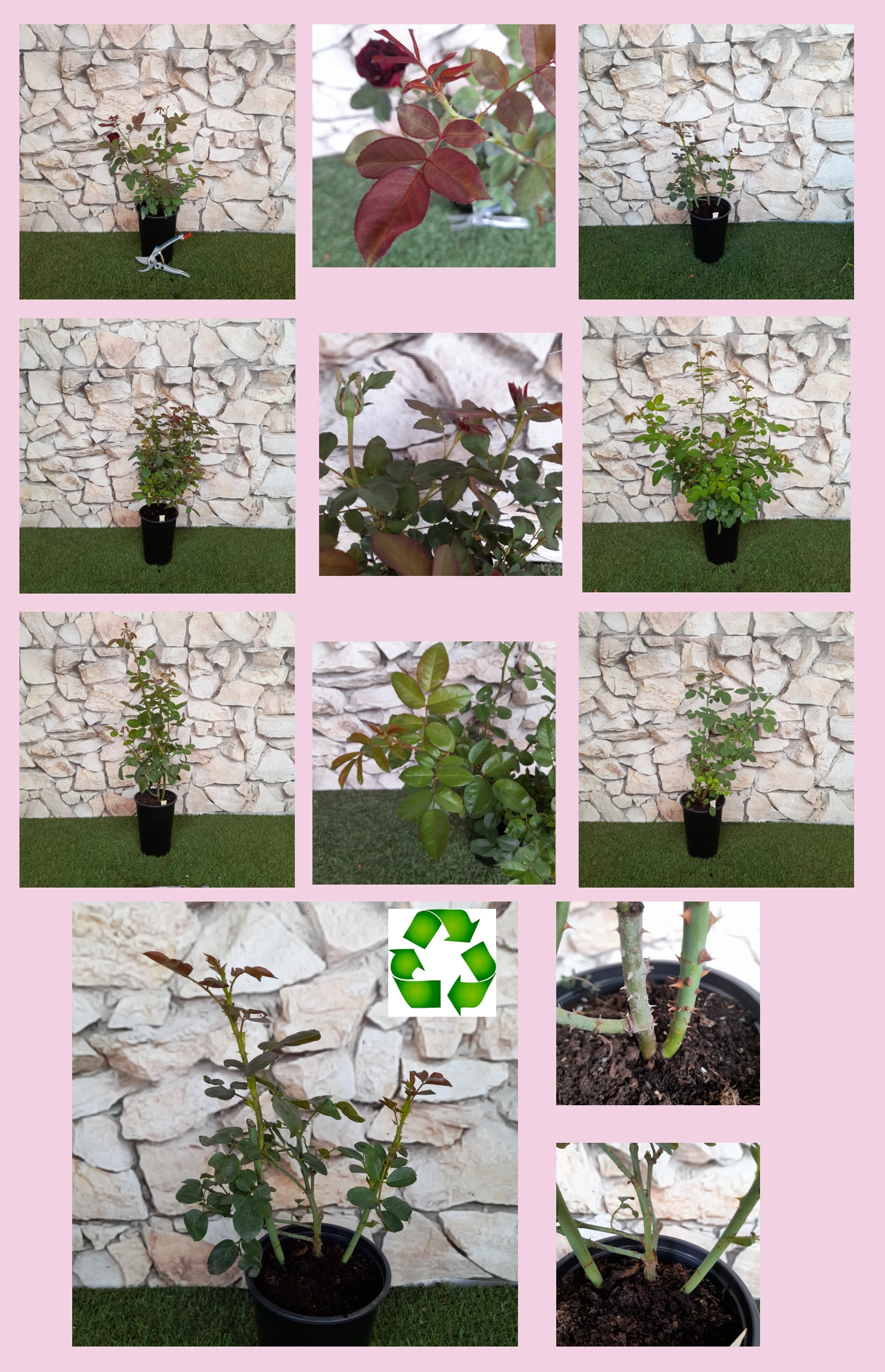
SEBASTIAN SCHULTHEIS – pink hybrid tea rose – Schultheis & Bennett
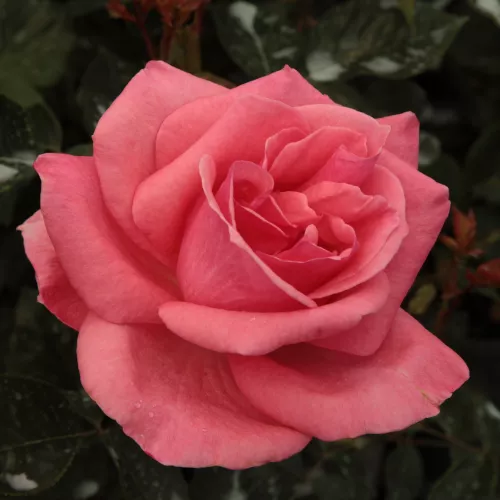
Step through your front gate and be met by petals of soft coral‑pink that gradually wash into peach and cream, creating a calm, balanced focal point in even the smallest urban plot. SEBASTIAN SCHULTHEIS offers an upright, medium‑tall habit that fits comfortably into a London terrace front garden or a narrow bed along a path, where its repeat‑flowering nature keeps colour coming throughout the season with minimal effort. Bred for robust resistance, this hybrid tea copes admirably with damp air and changeable weather, supporting gardens that face frequent showers and heavier soils, with reliable health in typical British conditions. Once planted in well‑prepared, free‑draining ground, its own‑root form develops steadily, giving you long‑term stability and the ability to regenerate if cut back hard, so it remains a dependable feature over many years. The blooms are generously fragrant, with a classic rose perfume that enriches your everyday routes to the front door and blends effortlessly with other scented plants in a rainwater‑friendly scheme. Low ongoing maintenance needs and good disease resistance mean you can enjoy the show without constant spraying or complex pruning, ideal if you are busy or new to roses. Over time, the plant reaches around 110–150 cm in height with moderately dense, mid‑green foliage that offers pleasing structure even between flushes. For sustainable, easy care, simply water with collected rain where possible, mulch annually, and let the root system deepen. Year by year, you can expect strong root establishment, then increasingly confident top growth, before it settles into its full ornamental impact as a mature garden companion, rewarding patient gardeners with lasting elegance and balance.
Usage options
| Target area |
Reasoning |
| Front garden feature rose |
The upright, medium‑tall habit makes SEBASTIAN SCHULTHEIS ideal as a solo highlight beside a path or doorway, with repeat flushes of coral‑pink blooms providing a refined welcome for busy homeowners |
| Low‑maintenance rose bed |
Strong resistance to common fungal diseases allows this rose to perform reliably with minimal spraying or intervention, making a mixed rose bed manageable for time‑pressed beginners |
| Small urban border with heavy soil |
Once planted into improved but still weighty ground, its robust health and steady root development lend confidence where rainfall is frequent and drainage is slower, suiting city garden owners |
| Rainwater‑fed container planting |
In a large 40–50 litre pot with good drainage, the own‑root system establishes gradually and responds well to watering from a butt, offering an elegant vertical accent for balcony and patio users |
| Long‑term specimen in family garden |
As an own‑root plant it can regenerate from low pruning and avoids the unpredictability of grafted stock, building into a stable, long‑lived feature appreciated by family gardeners |
| Structured, “girly” front‑of‑house scheme |
The classic hybrid tea form and soft pink hues pair beautifully with pastel perennials and clipped evergreens, creating a balanced, feminine entrance for style‑conscious homeowners |
| Cut‑flower corner |
Large, double, cupped blooms on upright stems lend themselves to cutting, giving you fragrant, traditional roses indoors without needing a dedicated cutting garden, perfect for home florists |
| Resilient, climate‑aware planting |
Good winter hardiness and disease resistance support a planting style that copes with cool, damp British conditions while limiting chemical inputs, suiting environmentally aware urban gardeners |
Styling ideas
- Soft-entrance trio – Plant SEBASTIAN SCHULTHEIS with lavender and nepeta along a front path for wafting scent and a gently “girly” palette – ideal for terrace-house owners wanting charm from the pavement line
- Rainwise-border – Combine with sage and ornamental grasses in a slightly raised, free-draining bed fed by a downpipe rill – for urban gardeners designing rainwater-friendly, low-input planting
- Classic-specimen – Use one rose as a central feature in a small lawn circle edged with low box or thyme – for homeowners seeking a neat, traditional focal point that is easy to maintain
- Balcony-showpiece – Grow in a 50-litre container with trailing thyme and dwarf lavender, watered from a butt – for flat dwellers wanting a single, reliable rose with long-season interest
- Romantic-layering – Set behind soft perennials like astrantia and hardy geraniums for layered pink tones and airy texture – for hobby gardeners creating a feminine, timeless cottage-style border
Technical cultivar profile
| Characteristic |
Data |
| Name and registration |
SEBASTIAN SCHULTHEIS, hybrid tea rose; current trade name as listed, part of the hybrid tea collection, used as both shrub rose and cut-flower type in gardens and smaller landscape settings. |
| Origin and breeding |
Hybrid tea bred within the Schultheis family tradition and by Henry Bennett; parentage links to ‘The Queen Elizabeth Rose’ and crosses of ‘Mabel Morrison’ with ‘E.Y. Teas’, introduced in 1882 in Britain and 1979 in Germany. |
| Growth and structural characteristics |
Upright shrub reaching about 110–150 cm in height with an 80–110 cm spread; moderately dense, mid‑green, slightly glossy foliage and moderately thorny stems give a balanced, structured form in beds or as a specimen. |
| Flower morphology |
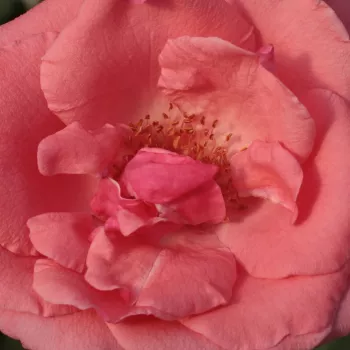
Double, cupped blooms with 26–39 petals, typically borne singly on stems; large flower size in the L category and a repeat-flowering habit with a notably generous second flush after the main early-summer display. |
| Colour data and phenology |
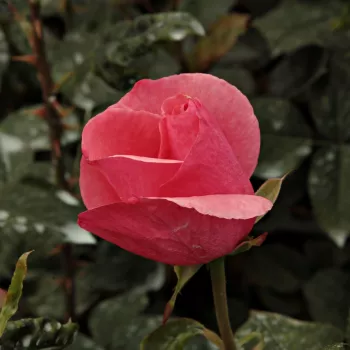
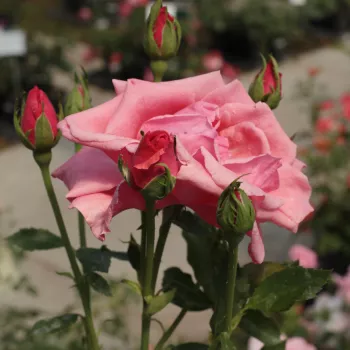
Overall effect rich pink with carmine undertone; buds coral‑salmon, opening to warm coral centres with pink outer petals; blooms gradually fade through peach‑cream and powder pink to ivory-edged tones as they age. |
| Fragrance and aroma |
Classic rose fragrance with a full, traditional character; intensity can vary from light to pronounced depending on weather and stage of opening, but generally noticeable when passing close or when stems are cut for indoor use. |
| Hip characteristics |
Produces rose hips only occasionally and sparsely; hips are small, typically about 12–18 mm in diameter, offering limited autumn display but avoiding heavy self-seeding or distraction from the plant’s flowering focus. |
| Resistance and winter hardiness |
Rated resistant to powdery mildew, black spot and rust; suitable for USDA Zone 5b, Swedish Zone 4, and RHS H7, tolerating down to approximately −26 °C to −23 °C in well-sited, reasonably drained garden positions. |
| Horticultural recommendations |
Best in full sun with improved, free‑draining soil; suitable for beds, parks and specimen planting at 50–100 cm spacing; low maintenance once established, with routine pruning and annual mulching generally sufficient. |
SEBASTIAN SCHULTHEIS rewards patient gardeners with long-lived, easy-care structure and repeat flowering from its resilient own-root form, making it a thoughtful choice for those planning a calm, enduring garden scene.