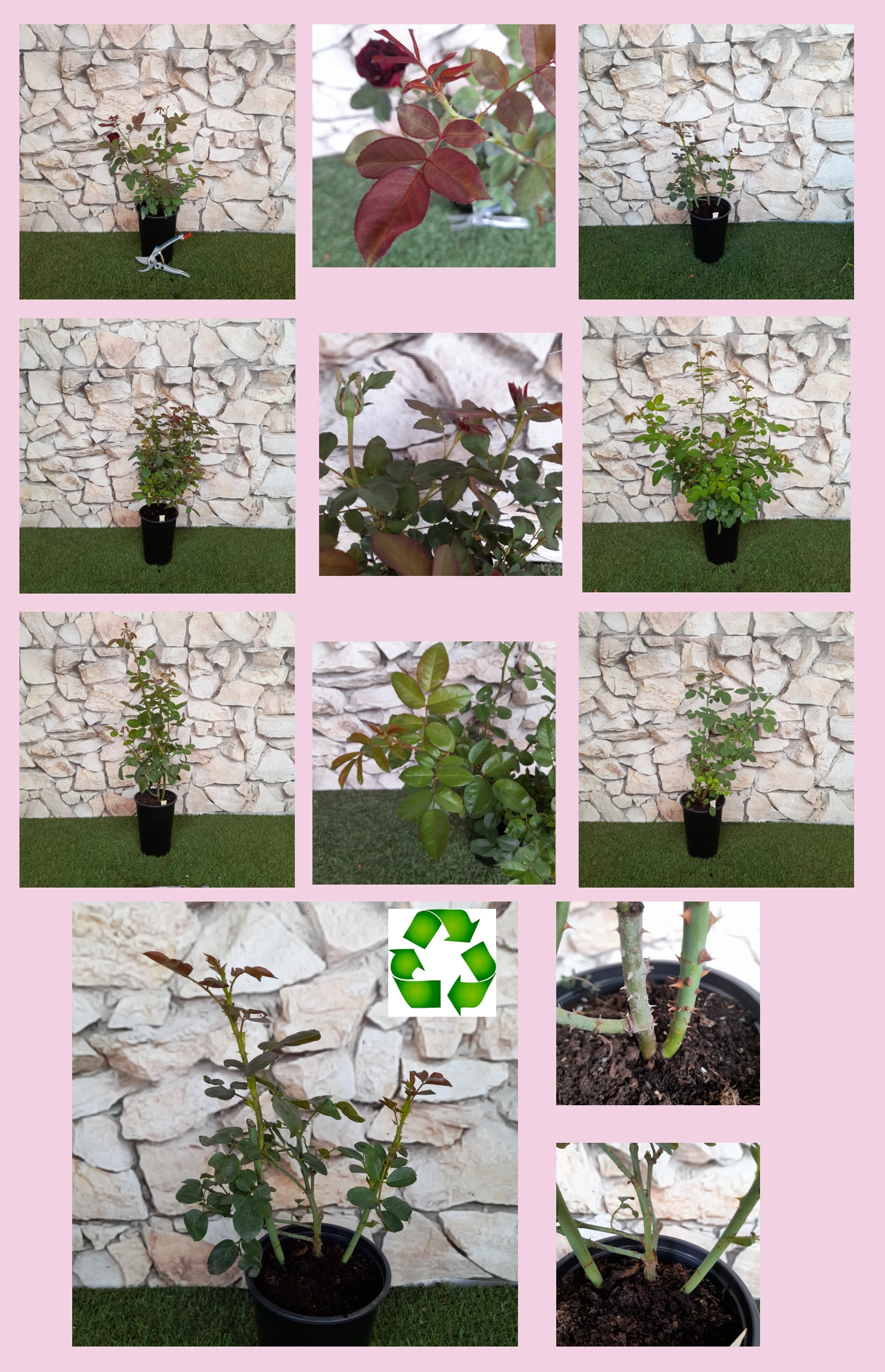
SAKURAGASUMI – light pink bedding floribunda rose - Suzuki
In a compact London front garden or small family plot, SAKURAGASUMI brings a gentle drift of blossom-like colour with surprisingly little effort, thriving even where rain-borne showers and cool breezes meet heavier soils and mixed paving. Its floribunda clusters create a soft hedge of light pink, with a cloud of repeat flowers that build steadily as the season progresses. Own-root planting gives reassuring long-term balance, as the plant regenerates reliably from its base and keeps its shape uniform without complex pruning. In the first year it concentrates on roots, the second on branching shoots, and by the third season it reaches its full ornamental value as a settled garden feature. Easy to combine with low-maintenance perennials in a sustainable border, it also suits generous containers, where regular rainwater and a peat-free mix support steady, healthy growth.
Usage options
| Target area | Reasoning |
|---|
| Small front-garden bedding strip |
Compact, bushy growth and repeat-flowering clusters make it ideal for the narrow beds typical of terraced houses, giving a soft, cherry-blossom effect along a path with minimal shaping for the time-pressed beginner. |
| Informal low hedge by paths or drives |
Planted at 80–90 cm, SAKURAGASUMI forms a flowing, low rose hedge; its height allows visibility over driveways while still framing the space, offering a long-lived, own-root structure that copes well with everyday families. |
| Rainwater-managed urban planting strip |
This variety performs reliably where paving meets soil, suiting front gardens that channel rainwater into planted strips, as its dense foliage and branching habit visually soften hard surfaces for eco-conscious city-dwellers. |
| Peat-free, large patio container (40–50 L+) |
In a generous, well-drained pot of at least 40–50 litres, roots have space to develop, supporting stable top growth and repeat flushes, with own-root resilience offering a longer container life for balcony and patio owners. |
| Mixed perennial border in family gardens |
Its light pink clusters weave easily among herbaceous plants such as lavender or nepeta, creating a soft, layered border where the rose’s steady growth habit reduces the need for frequent interventions for busy gardeners. |
| Clay or chalk-tolerant decorative planting |
SAKURAGASUMI adapts well to typical UK clay or chalk conditions when planted with added drainage and organic matter, then settles into durable, own-root growth that rewards patient, low-input care from practical homeowners. |
| Long-term, low-maintenance family feature |
Once established, its own-root framework responds well to simple annual trimming rather than intricate pruning, maintaining reliable flowering and shape for many years, offering a stable focal point for long-term-minded planners. |
| Soft-edged borders in exposed, breezy spots |
Bushy, branching growth and clusters of modest-sized blooms cope well with breezy, rain-prone sites typical of open UK suburbs, keeping the display neat without staking for sustainability-focused householders. |
Styling ideas
- Cherry-border – Repeat SAKURAGASUMI along a front-garden strip with soft grasses and white lychnis for a cherry-blossom haze – for urban homeowners wanting gentle structure without formality.
- Pastel-terrace – Combine in a 50 L container with lavender and low thyme spilling over the edge – for balcony and patio users seeking fragrance and subtle colour near seating.
- Calm-curve – Plant as an informal curve beside a path, underplanting with nepeta to blur the edges – for families who like relaxed structure that guides movement without hard lines.
- Evening-glow – Set SAKURAGASUMI with white obedient plant and pale perennials so its soft pink reads clearly in low light – for late-returning city dwellers enjoying the garden after work.
- Front-frame – Use as a low hedge under windows with cool-toned crocosmia for contrast and seasonal height – for homeowners wanting a long-lived, low-effort frame to their façade.
Technical cultivar profile
| Feature | Data |
|---|
| Name and registration |
Bedding floribunda shrub rose; registered as Sakura-Gasumi, marketed as Sakuragasumi Bedding rose Sakura-Gasumi; ARS exhibition name Sakura-Gasumi, meaning “cherry-blossom mist”. |
| Origin and breeding |
Bred by Seizo Suzuki, Keisei Rose Nursery, Japan; cross of ‘Fabergé’ × polyantha-origin seedling; bred and registered 1988, introduced commercially in 1990 by Keisei Rose Nurseries Inc. |
| Growth and structural characteristics |
Bushy, well-branched shrub with dense, glossy dark green foliage; height around 80–160 cm, spread 90–180 cm; moderately thorny stems; medium self-cleaning so some deadheading recommended. |
| Flower morphology |
Floribunda clusters of large, double, cup-shaped blooms, typically 26–39 petals; flower size approximately 7–10 cm across, remontant with generous repeat flowering through the main season. |
| Colour data and phenology |
Light pink overall; buds pale baby pink with raspberry tips, opening to porcelain blush with pink edges, then fading to peachy powder tones and creamy centres; ARS lp, RHS 65C outer, 65D inner. |
| Fragrance and aroma |
Sweet, classic rose fragrance but very faint; scent generally only noticeable at close range and in warm, still conditions, so chosen primarily for visual effect rather than for strong perfume impact. |
| Hip characteristics |
Produces few hips due to double flowers; occasionally forms small, spherical, bright red rose hips about 5–9 mm in diameter, adding subtle late-season interest without prolific self-seeding. |
| Resistance and winter hardiness |
Medium resistance to powdery mildew, black spot and rust; hardy to about −21 to −18 °C (RHS H7, Swedish Zone 3, USDA 6b); tolerates heat with regular watering, dislikes prolonged drought stress. |
| Horticultural recommendations |
Best in sunny positions; suitable for flowerbeds, edging and containers; plant 80–90 cm apart for hedges or bedding, 180 cm as specimen; allow 1.2–1.4 plants/m² depending on arrangement and effect. |
SAKURAGASUMI offers cloud-like, repeat pink flowering, adaptable structure for compact beds and containers, and the reassuring durability of an own-root shrub; a thoughtful choice for long-term, low-fuss planting.