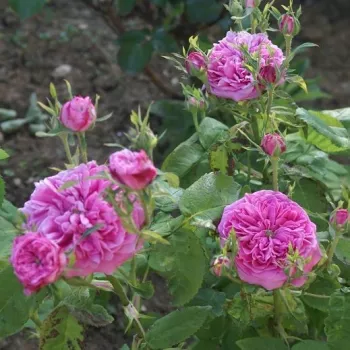
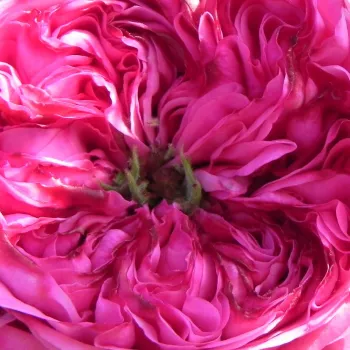
ROSE DES PEINTRES – pink historic Centifolia rose
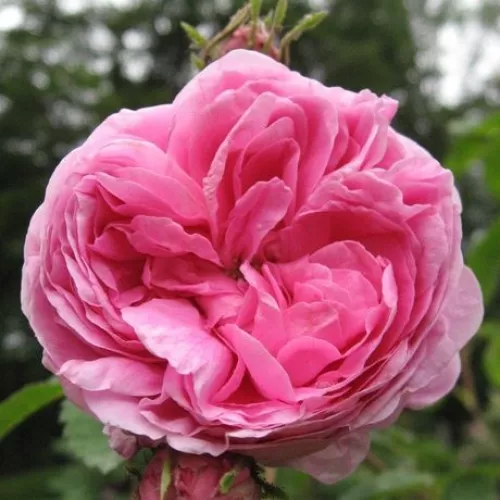
Step into a romantic, time‑layered front garden with heritage charm as ROSE DES PEINTRES unfurls its sumptuous, once‑a‑year display of mid‑pink, rosette blooms, evocative of 17th‑century Dutch still‑life paintings yet reassuringly simple to live with in today’s smaller urban spaces. This bushy, arching shrub brings a poised sense of balance to London terraces and family plots, coping steadily with damp, changeable weather and heavy soils where good drainage helps it shrug off persistent rain and coastal winds. Its own‑root form supports a long‑lived, reliable framework that matures steadily into a graceful, medium‑maintenance garden feature. With a strong, classic rose fragrance, moderate disease resilience and relaxed pruning needs, it slips easily into rainwater‑conscious, low‑plastic planting schemes. The generously sized, 2‑litre container establishes quickly, allowing you to plan for an enduring hedge, a nostalgic summer specimen, or scented cutting stems for the house, while its arched habit pairs beautifully with soft, meadow‑like textures and informal cottage‑style companions.
Usage options
| Target area |
Reasoning |
| Front‑garden focal point |
As a tall, arching shrub, ROSE DES PEINTRES quickly reads as a statement plant without demanding intricate pruning, bringing historic character and strong scent to a single spot that suits homeowners seeking low‑effort impact for beginners |
| Informal flowering hedge |
Planted at recommended hedge spacings, its bushy, moderately thorny growth knits into a soft, visually protective boundary, offering one glorious flush of pink rosettes each year for those wanting a traditional hedge with modest upkeep for busy families |
| Rain‑aware mixed border in heavy soil |
Well prepared, free‑draining clay or chalk allows this historical rose to handle wet spells and blustery weather, making it a reassuring choice where rain lingers and wind funnels between houses, suiting gardeners managing challenging suburban ground for practical planners |
| Part‑shade courtyard or side return |
Its ability to flower in partial shade helps brighten side gardens and north‑easterly aspects, extending options where sun is limited and owners prefer robust, unfussy plants that still deliver scent and structure for small‑space gardeners |
| Cut‑flower corner |
The large, very double rosette blooms, borne in clusters, provide scented summer stems with a classic, painterly look, ideal for informal arrangements and for anyone wanting a rewarding but not high‑maintenance cutting patch for home arrangers |
| Own‑root long‑term planting |
Supplied on its own roots, this rose builds a stable framework that can regenerate from the base after hard pruning or weather damage, developing from early root focus into full ornamental presence over its first three seasons for long‑view gardeners |
| Historic collection or period planting |
As a Centifolia‑type with documented early‑19th‑century presence, it suits re‑created historic borders, museum gardens and heritage‑minded homeowners who value authenticity alongside reasonable resilience and straightforward seasonal care for history lovers |
| Large container on terrace or balcony |
In a generously sized, 40–50 litre peat‑free container with regular watering, its upright yet arching habit and intense scent deliver a traditional rose experience for those without ground soil but wanting a durable, own‑root shrub for city balconies |
Styling ideas
- DUTCH-STILL-LIFE – Combine ROSE DES PEINTRES with Verbena hastata ‘Pink Spires’ and airy grasses for a museum‑painting feel along a front path – ideal for heritage‑minded urban homeowners.
- SOFT-HEDGE – Plant a loose line with blue fescue and white gypsophila to create a semi‑transparent, flowering boundary – suited to families wanting privacy without harsh fencing.
- COURTYARD-SCENT – Position near seating in a part‑shade courtyard, underplant with nepeta or dwarf lavender for fragrance layers – perfect for busy professionals unwinding outdoors.
- CLAY-BORDER – In improved but heavy soil, weave it into mixed perennials like sage and ornamental grasses to soften its height – a good fit for gardeners managing challenging suburban plots.
- CUTTING-NOOK – Dedicate a corner bed with repeat‑flowering companions, using this rose as the dramatic early‑summer highlight – appealing to home florists who enjoy relaxed, seasonal bouquets.
Technical cultivar profile
| Parameter |
Data |
| Name and registration |
ROSE DES PEINTRES, historic Centifolia rose; current trade name: Rose des Peintres Historic rose; ARS exhibition name: Des Peintres; group: Centifolia, Gallica, Provins; collection category: historic rose bush. |
| Origin and breeding |
Historical Rosa × centifolia seedling of unknown parentage; likely bred before 1600, with authenticated catalogue mention in 1811; breeder and initial distributor unrecorded, preserved via traditional European garden culture. |
| Growth and structural characteristics |
Bushy shrub with arched, slightly drooping branches, 160–240 cm high and 100–160 cm wide; moderately dense, matt medium‑green foliage; moderately thorny canes, forming a substantial, softly cascading garden presence. |
| Flower morphology |
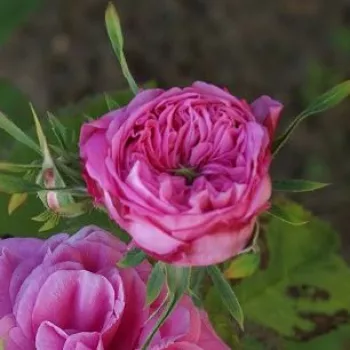
Large, very double, rosette‑shaped blooms with 40+ petals, typically borne in clusters; not remontant, giving one main, concentrated flowering in early summer; flowers self‑clean moderately, benefitting from light deadheading in wet spells. |
| Colour data and phenology |
Warm mid‑pink petals with subtle purple undertone; ARS DPk, RHS 57C outer and 57B inner; buds deep pink, opening to rich pink then gently lightening to pastel, with better colour retention in cooler, less intense sunshine. |
| Fragrance and aroma |
Strong, classic old‑rose fragrance with long‑lasting character, evident both on the bush and when cut; ideal for scent‑focused planting near entrances, windows and seating, especially in enclosed or courtyard‑style gardens. |
| Hip characteristics |
Hip set is generally low due to densely double flowers; when produced, hips are small, spherical, around 12–18 mm diameter, coloured bright red (RHS 44A), offering occasional late‑season decorative accents. |
| Resistance and winter hardiness |
Moderate overall disease resistance; good tolerance to powdery mildew, with moderate susceptibility to black spot and rust; hardy to around −15 to −12 °C (RHS H6, USDA 7b), coping with typical lowland UK winters. |
| Horticultural recommendations |
Best in fertile, well‑drained clay or loam; medium maintenance, needing seasonal pruning and occasional pest control; suitable for flower beds, hedges, parks, solitary specimens and scented cutting, with ample watering in dry spells. |
ROSE DES PEINTRES offers a tall, arching, strongly scented historic display for hedges, focal points or large containers, while its own-root form supports regeneration and long-term reliability for thoughtful gardeners considering a lasting planting.