ROSE DE TOLBIAC® – pink climbing rose – Kordes
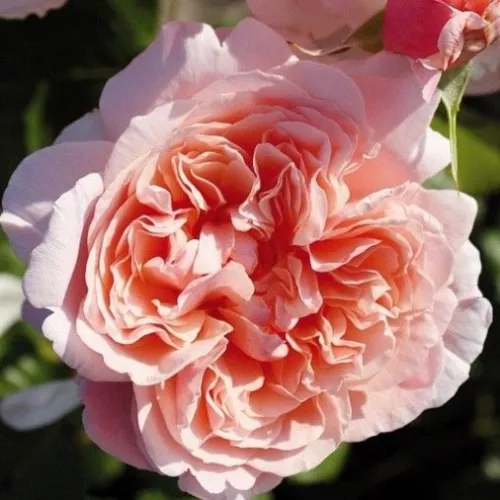
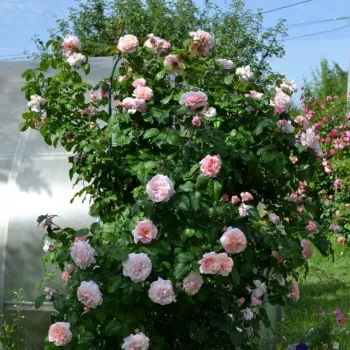
In a compact London front garden or small family plot, Rose de Tolbiac® offers softly cupped, pastel rosettes that lend a sense of balance and quiet elegance to walls, fences and arches. Bred by Kordes, this large-flowered climber forms moderately dense, dark green foliage that sets off the creamy pink blooms, while its own-root form supports a long, steady life with dependable structure. Once planted into improved soil with good drainage on heavier ground, it responds with strong, upright growth and repeat flowering from early summer well into autumn, creating a composed pathway effect beside steps, railings or terraced-house façades. Over time, its framework strengthens and thickens, supporting season-after-season flowering with only moderate maintenance, as you guide and tie the canes to your chosen support. Ideal for those who want a romantic climber without intricate pruning demands, it works as a focal accent above a low hedge, in a rainwater-conscious front garden or combined with drought-tolerant perennials below. Year by year, the own-root plant settles in, from building roots, through bolder shoots, to full ornamental impact by the third season, so you can rely on its gentle presence and long-lived structure to frame your home with sustainable charm.
Usage options
| Target area |
Reasoning |
| Front-garden house wall or railings |
Climbs to around 1.8–2.8 m, ideal for greening a typical terraced-house frontage without overwhelming the space. Train against a wall or railings to soften brickwork and provide long-season flower cover for time-pressed city gardeners who value gentle elegance. |
| Rose arch or pergola entrance |
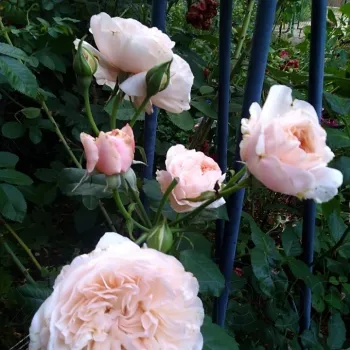
Very full, XL rosette blooms in soft pink and peach create a welcoming, romantic passageway when trained over an arch or slim pergola. Its repeat-flowering habit provides colour from early summer to autumn for home-owners who like a classic, structured pathway. |
| Small family garden seating area |
The climbing habit and moderate spread allow you to lift colour up and away from play or seating space, leaving ground area free. Guided along wires or a trellis, it frames patios and family corners with pastel rosettes for those seeking calm garden balance. |
| Rainwater-conscious front border |
Planted with good soil preparation and drainage, it copes reliably with wetter spells yet appreciates collected rainwater in drier periods, making it well suited to sustainable, low-lawn front gardens that still want long-lived vertical structure. |
| Climbing hedge on a narrow boundary |
Recommended planting distances allow you to form a loose, flowering screen along fences without complex clipping. Own-root plants build a durable framework that regenerates well after hard pruning, suiting busy households wanting dependable boundary presence. |
| Mixed border with pastel perennials |
The softly fading pink-to-cream flowers pair beautifully with airy companions such as Gaillardia, lady’s mantle or Crocosmia, giving layered colour through summer and autumn for gardeners who enjoy coordinated, gently romantic charm. |
| Partially shaded side passage |
Tolerates partial shade, so it can brighten side-return paths or north-east aspects where many roses struggle. The dark green foliage and pale blooms lift dimmer corners for urban owners wanting reliable coverage without demanding sun-drenched conditions. |
| Large container on balcony or paved courtyard |
Can be grown in a 40–50 litre or larger container with a sturdy obelisk or trellis, giving vertical interest where soil is limited and allowing easy watering with harvested rainwater for beginners seeking manageable yet rewarding flowering. |
Styling ideas
- Romantic Archway – Train over a slim metal arch with underplanting of Alchemilla mollis and soft grasses to create a welcoming, cottage-style entrance – ideal for small-family front gardens.
- Pastel Pergola – Pair along a pergola with lavender and nepeta to echo its pink-peach tones and extend seasonal interest – suited to homeowners wanting a calm evening seating area.
- Curtain Wall – Use wires across a brick wall and combine with Crocosmia and Gaillardia below for a warm, sunset palette – perfect for urban gardeners turning bare walls into features.
- Gentle Screen – Plant in a row along a fence at recommended spacing to form a soft, flowering screen with room for children’s play in front – for families needing privacy without heaviness.
- Container Column – Grow a single plant in a 50-litre pot with a slim obelisk, adding thyme and sage around the base – suited to balcony or courtyard owners who prefer portable structure.
Technical cultivar profile
| Parameter |
Data |
| Name and registration |
Rose de Tolbiac® Klettermaxe®, registered as KORcaseipp, a large-flowered climbing rose from the Klettermaxe® collection, also exhibited under the ARS approved exhibition name Rose de Tolbiac. |
| Origin and breeding |
Bred in Germany in 1998 by Tim-Hermann Kordes from cross ‘KORkinteral’ × ‘KORpastato’, registered 2014 and introduced after 2014 by W. Kordes’ Söhne Rosenschulen GmbH & Co KG. |
| Awards and recognition |
Honoured with a Gold Medal and the City of Zweibrücken Award at the Baden-Baden International New Rose Competition 2013, reflecting strong garden performance and ornamental value in trial conditions. |
| Growth and structural characteristics |
Climbing habit reaching about 1.8–2.8 m high with 60–100 cm spread, moderately dense, dark green, slightly glossy foliage (RHS 139A) and moderate prickliness, forming a trainable, upright framework. |
| Flower morphology |
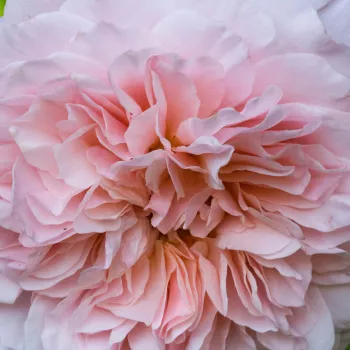
Very full, rosette-shaped blooms with more than 40 petals, classified XL from around 3.5 inches across, borne mainly singly on stems, strongly remontant with abundant repeat flowering after the first flush. |
| Colour data and phenology |
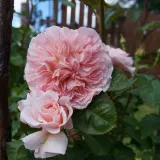
Soft pastel pink with peach undertones; buds powder pink, opening to light pink outer petals (RHS 65C) and warmer centres (RHS 24C), fading through silky pink to near cream, particularly faster in strong sunlight. |
| Fragrance and aroma |
Light rose-scented character with very weak fragrance, generally only noticeable close-up in still, warm conditions; chosen primarily for its visual effect and bloom form rather than for strong scent. |
| Hip characteristics |
Very double flowers limit hip set; occasionally forms spherical, greyish-lilac to greyish-purple hips (around RHS 183A), approximately 20–30 mm in diameter, offering modest late-season ornamental interest. |
| Resistance and winter hardiness |
Hardy to about −23 to −21 °C (USDA 6a, RHS H7, Swedish zone 3); black spot resistant, with moderate susceptibility to powdery mildew and rust, appreciating regular watering and basic preventative care. |
| Horticultural recommendations |
Use on arches, pergolas, fences and walls; plant 70–140 cm apart depending on effect, allow 1.6–1.8 plants/m² in groups, in well-drained soil, with occasional plant protection and support training as it matures. |
ROSE DE TOLBIAC® offers romantic repeat flowering, space-saving vertical structure and long-lived own-root reliability for walls, arches or containers, making it a thoughtful choice if you are planning a refined, low-fuss climbing feature.