RENNIE'S PINK™ – pink dwarf-mini rose - Rennie
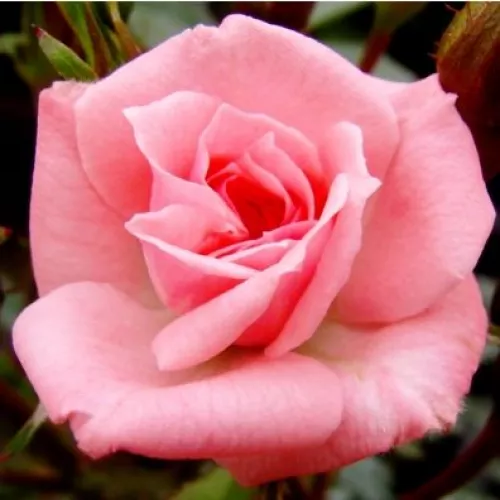
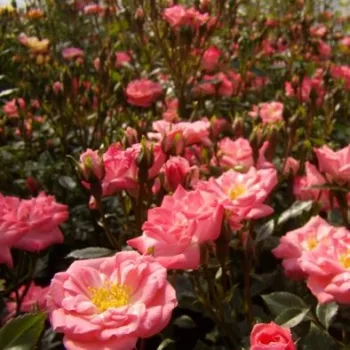
Step out after rain into a front garden of soft pink clusters and glossy foliage, where this compact rose keeps its shape in blustery, damp British weather and copes gracefully with heavier soils and exposed, rain-swept spots. With its naturally bushy habit and low maintenance needs, Rennie’s Pink slots easily into busy, small-space gardens, offering dependable flowering from late spring into autumn on a miniature frame that suits London terraces and pots. As an own-root plant it builds longevity and resilience below ground, so you see a steady, reliable above-ground display without complicated pruning. Give it time to establish – roots in year one, stronger shoots in year two, and full ornamental value in year three – and you gain a quietly satisfying, long-lived feature for family gardens. Its modest height allows you to edge paths, soften parking bays or line a front step with repeated cushions of colour, while the restrained rose fragrance adds a gentle note when you brush past. Even in tight urban spaces it promotes a sense of balance and order, helping you turn a rainwater-friendly, low-input corner into a green refuge.
Usage options
| Target area | Reasoning |
|---|
| Small front gardens and narrow borders |
The compact, dwarf habit (around 25–35 cm high) means Rennie’s Pink stays neat along drives, paths and property lines without blocking light or windows, giving steady structure and colour with very little trimming for busy urban gardeners. |
| Low-maintenance family planting |
Reliable disease resistance to black spot, mildew and rust reduces spraying and fuss, so it stays attractive even in wetter seasons when many roses mark or defoliate, ideal where you want flowers rather than frequent care for time-poor beginners. |
| Containers and large patio pots (40–50 litres+) |
The naturally small root system suits a quality 40–50 litre peat-free container, where its upright, bushy form and repeated flowering create a tidy focal point that is easy to water with collected rain for sustainability-minded households. |
| Cool and exposed UK situations |
With hardiness down to about –26 °C and an H7 rating, this cultivar rides out typical British winters, coastal winds and cool springs, giving confidence that once planted it will persist and mature steadily for long-term garden planners. |
| Family-friendly paths and entrances |
The modest height and tidy spread work well by steps and paths, offering clusters of soft pink blooms you can brush past without towering thorns, creating a welcoming entrance route for front-garden-focused owners. |
| Formal edging and low mini-hedges |
Regular but moderate growth and a bushy outline let you plant at 25–30 cm spacings to form crisp, low edging that reads as a miniature hedge, useful for framing lawn, gravel or rainwater run-off strips for order-loving gardeners. |
| Long-season colour in tight spaces |
Frequent remontant flowering gives multiple flushes from late spring to autumn, so even a short terraced-house border can provide months of pink colour from a single planting, rewarding patience as it builds up over seasons for small-garden owners. |
| Durable, own-root planting for future seasons |
Being supplied on its own roots, this rose re-sprouts true to type if cut back by weather or accidental damage and ages into a stable, long-lived clump, especially useful where space is too precious for short-lived plants for value-conscious gardeners. |
Styling ideas
- Terrace-Romantic – Border the front path with repeating clumps of Rennie’s Pink underplanted with soft Alchemilla mollis for lime-green froth – ideal for small urban romantics.
- Gravel-Edge – Line a permeable gravel parking strip with this dwarf rose to create a low pink ribbon that still lets rain soak away – suited to practical, design-aware drivers.
- Courtly-Pot – Place one plant in a 40–50 litre terracotta pot by the door, with trailing thyme at the rim, for a structured yet gentle welcome – perfect for entrance-conscious homeowners.
- Mini-Hedge – Plant a close row along a low fence and back with Virginia creeper so seasons shift from pink cushions to autumnal red behind – appealing to year-round planners.
- Calm-Contrast – Combine its mid-pink cups with blue lavender and nepeta in a narrow bed for tidy form and soft movement – great for colour-loving minimal-maintenance gardeners.
Technical cultivar profile
| Characteristic | Data |
|---|
| Name and registration |
Miniature shrub rose marketed as Rennie’s Pink™, a dwarf mini rose named for breeder Rennie; used in the Mini – dwarf rose group and suited to small gardens and containers. |
| Origin and breeding |
Bred in Canada by Bruce F. Rennie and introduced in 1999; exact parentage and initial distributor are unknown, but the selection reflects cold-climate garden performance. |
| Growth and structural characteristics |
Compact, bushy, upright plant reaching about 25–35 cm high and 35–45 cm wide, with moderately dense, mid-green, glossy foliage and moderate prickliness typical of miniature shrubs. |
| Flower morphology |
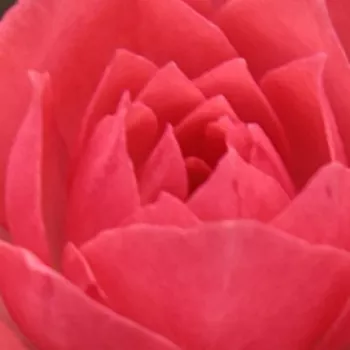
Small, double flowers (about 26–39 petals) borne in clusters, goblet to cup-shaped, with a good remontant habit that produces a strong second flush and further repeat blooms in season. |
| Colour data and phenology |
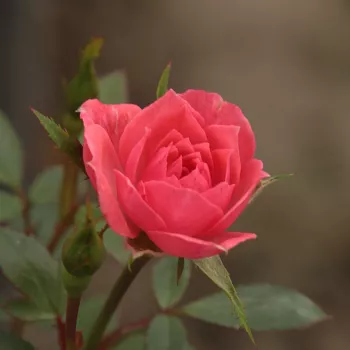
Mid-pink blooms (ARS MP; RHS 68B outer, 65C inner) open clear and fresh, then soften to pastel pink with occasional silvery veil, retaining colour well through the flowering period. |
| Fragrance and aroma |
Light, classic rose fragrance that remains restrained, offering a gentle scent on close inspection without dominating small terraces, balconies or seating areas near the planting. |
| Hip characteristics |
Only occasional tiny hips are produced, with minimal ornamental impact, so the plant is grown primarily for its repeat pink flowering rather than for autumn fruit display. |
| Resistance and winter hardiness |
Rated RHS H7 and hardy to roughly –23 to –26 °C, with noted resistance to powdery mildew, black spot and rust, ensuring clean foliage under typical UK disease and winter pressures. |
| Horticultural recommendations |
Space at 25–45 cm depending on use; suits mass planting, edging or standalone specimens. Plant in well-prepared soil with good drainage and feed lightly to support repeat flowering. |
Rennie’s Pink™ offers compact growth, repeat pink flowering and resilient own-root durability, making it a thoughtful choice for long-lived colour in smaller gardens and containers you will enjoy returning to.