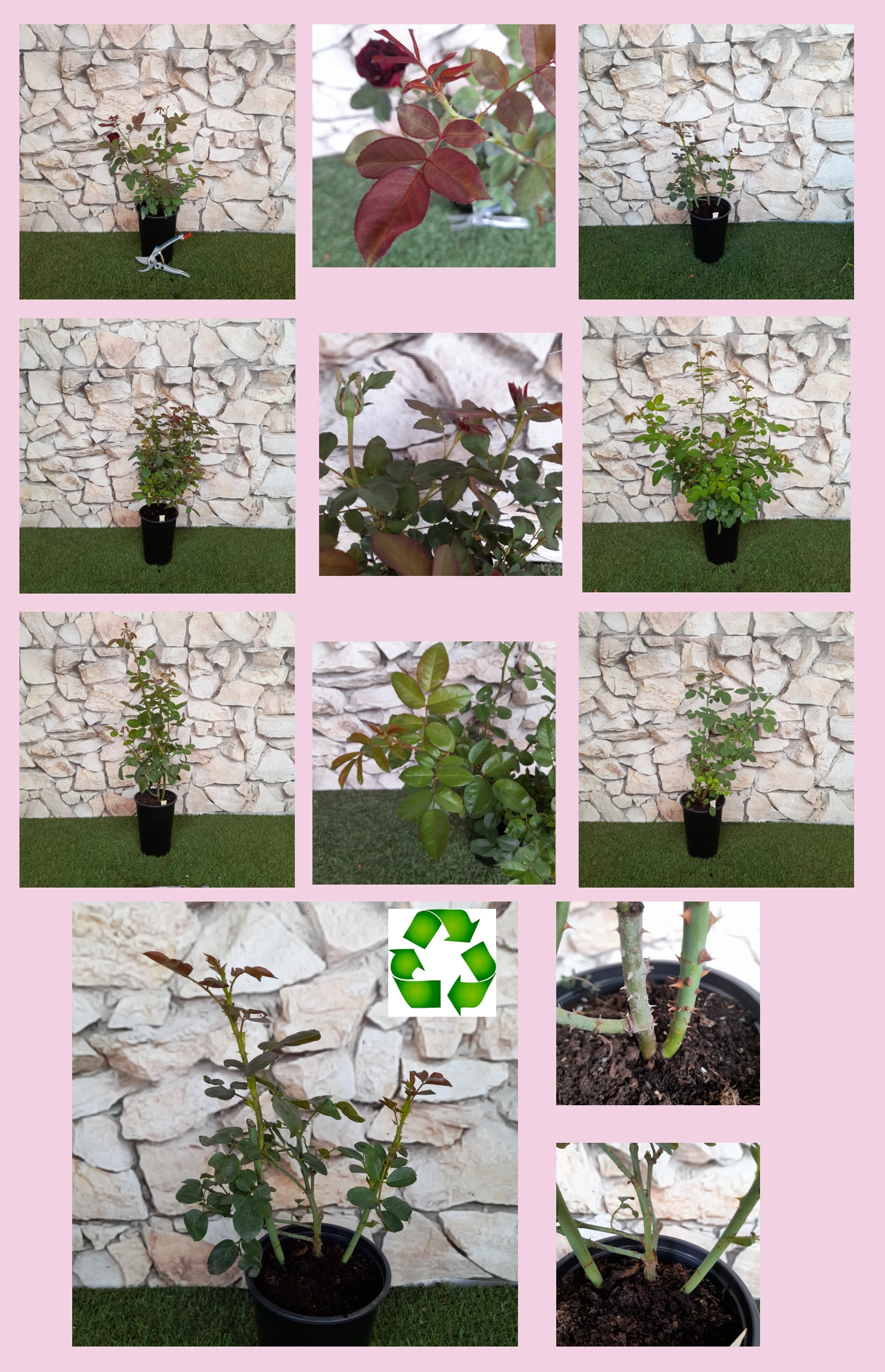
RAFFAELLO® – light yellow hybrid tea rose - Meilland
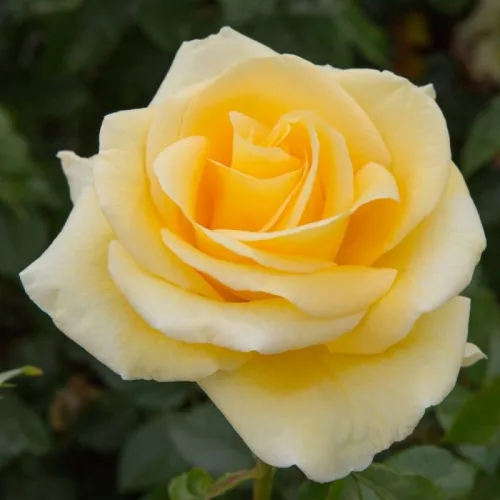
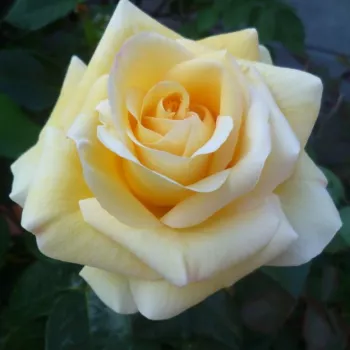
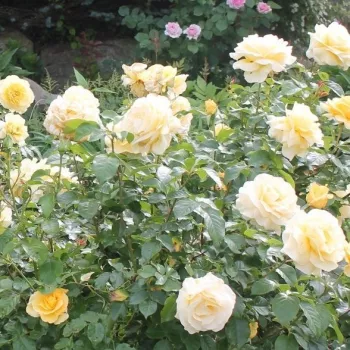
Imagine a post-rain front garden where soft, light-yellow blooms feel quietly timeless, bringing a sense of balance to even a narrow London terrace. Raffaello® is an easy-going, own-root hybrid tea that thrives in real-life family gardens, coping steadily with breezy weather and typical rainfall while rewarding you with tall, upright, glossy structure. Large, cupped flowers appear in generous flushes from early summer, then refresh themselves thanks to good self-cleaning, so there is less deadheading and more time to enjoy the view. In the ground or in a generous 40–50 litre container, its bushy habit and premium foliage give a mature, landscaped look without constant fuss. Planted once and allowed to establish, its own roots support long-term longevity, steady regrowth after any setbacks, and a reliable display that gradually strengthens as roots, then shoots, then full ornamental value develop over the first three seasons.
Usage options
| Target area |
Reasoning |
| Small front garden focal point |
Tall, upright growth and XL cupped blooms create an elegant single-plant statement beside a front door or bay window, giving structure and colour without needing complex care, well suited to the busy homeowner. |
| Rainwater-conscious urban bed |
Deep, own-root anchoring and dense foliage make it a stable choice in improved heavy soil, working well with mulches and rainwater harvesting in exposed sites that often see wind and frequent showers, ideal for the sustainability-minded gardener. |
| Low-effort flowering hedge |
Planted at hedge spacing, the bushy, upright habit knits into a soft, semi-formal line of creamy-yellow blooms with glossy foliage, needing only light pruning to maintain shape, appealing to time-poor beginners. |
| Mixed border backbone rose |
Strong, grandiflora-style stems and reliable repeat flowering provide vertical emphasis and seasonal rhythm among perennials, ensuring the border still looks structured when other plants pause, helpful for the design-conscious urbanite. |
| Large container on balcony or patio |
In a 40–50 litre pot with peat-free compost, its upright form, repeat flushes and good self-cleaning offer a tidy, uplifting display close to windows or seating, suiting compact spaces for the city-based balcony-owner. |
| Cut-flower corner in a family garden |
Extra-large, double, light-yellow blooms on long stems are excellent for cutting, allowing you to create classic indoor arrangements from a single plant, rewarding those who like home-grown flowers, perfect for the creative arranger. |
| Low-intervention family play garden |
Good resistance to black spot, powdery mildew and rust means less spraying and fewer compromised leaves, keeping planting healthy-looking around lawns and play areas with minimal input, reassuring for the practical parent. |
| Long-term feature planting |
As an own-root rose with hardy, resilient growth, it builds a durable framework that regrows reliably after pruning or weather damage, developing into a stable garden presence over many years, attractive to the forward-planning planner. |
Styling ideas
- Soft-Frontage Border – Line a narrow front bed with Raffaello® and airy fountain grass for a gentle, upright hedge effect – suitable for homeowners wanting discreet privacy and a welcoming entrance.
- Sunlit-Container Retreat – Plant one rose in a 50 litre pot with trailing thyme for scent at ground level – ideal for balcony-owners who relax outdoors after work.
- Calm-Cream Palette – Combine with white nepeta and pale pink lupins for a restrained, romantic mix – aimed at gardeners seeking a “girly” yet grown-up front garden.
- Structured-Mix Border – Use as a vertical anchor among lavender, sage and ornamental grasses to keep borders looking composed – for urbanites who want order without formality.
- Cutting-Garden Corner – Group three plants behind lower perennials to create a quiet cut-flower bank – perfect for those who like arranging home-grown bouquets.
Technical cultivar profile
| Parameter |
Data |
| Name and registration |
Hybrid tea rose; registered as MEIkanaro, sold as Raffaello® Hybrid tea rose MEIkanaro; ARS exhibition name Raffaello; premium gold quality selection for garden use. |
| Origin and breeding |
Bred by Meilland International, France, around 2006; detailed parentage and introduction dates not recorded; selected for garden reliability rather than show exhibition performance. |
| Growth and structural characteristics |
Bushy, upright grandiflora-type shrub reaching about 145–185 cm high and 120–150 cm wide, with dense, glossy dark green foliage and moderate prickles, forming a substantial garden feature. |
| Flower morphology |
Large, double blooms with 26–39 petals, cupped with a medium-high centre, usually in clusters of three to five per stem; remontant with abundant second and later flushes through the season. |
| Colour data and phenology |
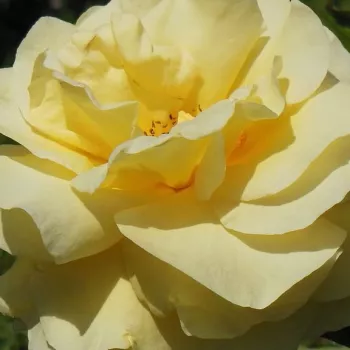
Soft lemon-yellow buds open buttery yellow, RHS 8C outer and 4C inner, then fade to creamy white with a lingering lemon centre; colour lightens more in strong sun yet remains gentle and elegant. |
| Fragrance and aroma |
Fragrance is very weak with a classic rose-like character; chosen primarily for visual effect and garden performance rather than scent intensity, an option for those preferring subtle perfume. |
| Hip characteristics |
Hip set is generally minimal due to double flowers; occasional small ellipsoid hips 10–14 mm across may colour to red RHS 44A, adding modest late-season interest without dominating the display. |
| Resistance and winter hardiness |
Rated H7 and hardy to about −26 to −23 °C, with documented resistance to black spot, powdery mildew and rust; copes with normal heat but appreciates watering during prolonged dry spells. |
| Horticultural recommendations |
Best in full sun with improved drainage; plant at 80–95 cm for hedges or beds, wider for specimen use; own-root form suits long-term borders and large containers using peat-free compost mixes. |
Raffaello® Hybrid tea rose MEIkanaro offers easy-care repeat flowering, strong disease resistance and enduring own-root reliability, making it a thoughtful choice if you favour long-lived, low-fuss structure in a modest garden.