Shell-pink that fades to white as it opens. - climber, climbing rose - mild, restrained-scented rose - fresh, apple-like
– Airy shell-pink blooms, softly fading to white.
– Elegant climber for pergolas, walls and arches.
– Reliable repeat flowering with abundant second flush.
– Hardy to around −23 °C, suitable for colder sites.
– Mild fresh, apple-like fragrance for close spaces.
– Special feature: Multiple international medals, including Golden Rose – Geneva 1985.
Grower care – Elegant spaces
eleanorROSE® ORIGINAL 2-litre own-root potted rose
18,50 £
Unfortunately, we are currently unable to ship to the United Kingdom; we only deliver to countries within the European Union. For more information, please contact us!
3(4725)
SOURIRE D'ORCHIDÉE – pale pink climber, rambling rose - Paul Croix
Imagine soft petals glowing after rain as Sourire d’Orchidée arches above a London terrace, its airy clusters catching the light and its fresh, apple-like fragrance drifting along the path. This elegant, pale pink climber offers generous repeat flowering from early summer well into autumn, while semi-double blooms with open centres quietly support visiting bees. Grown on its own roots, it promises steady longevity, reliable shape and easy regeneration if pruned hard or caught by winter, fitting a calm, low-input, rainwater-conscious garden where walls and pergolas also help manage surface runoff in heavy showers. Over time its 3–5 m framework and glossy mid-green foliage mature without fuss: in the first year roots settle, the second brings stronger shoots, and by the third it reaches full ornamental presence with a refined, balanced look.
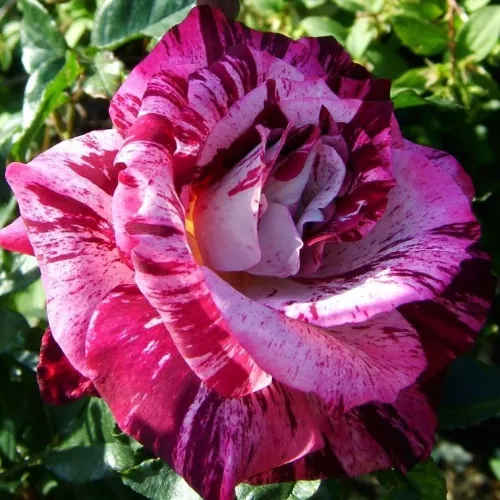
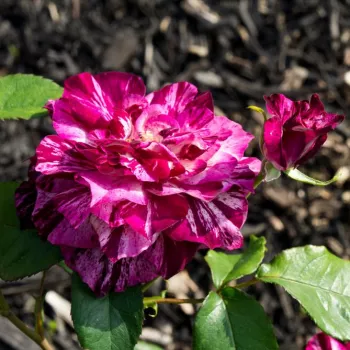
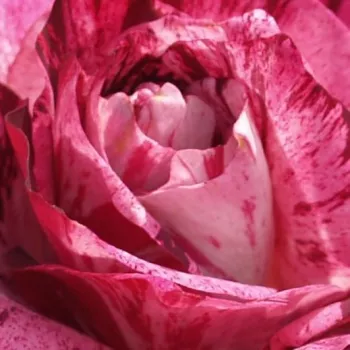
Semi-double blooms with an open centre and visible stamens.
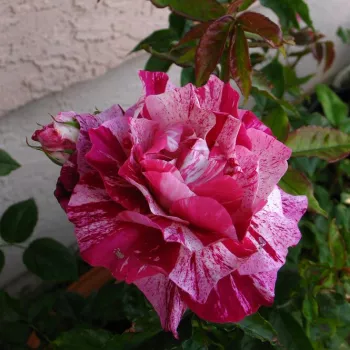
Sourire d'Orchidée shown in several opening phases side by side.
Usage options
Target area
Reasoning
Front-garden pergola or arch
Its graceful 3–5 m growth frames a doorway or path without overwhelming a typical city frontage, while remontant flowering keeps the entrance welcoming for months; perfect for beginners seeking gentle structure and colour for their family garden.
Wall-trained along a terrace or balcony edge
Flexible climbing shoots can be fanned on wires or trellis, creating a living screen that softens hard brickwork yet copes well with ordinary urban care levels, ideal for those wanting vertical interest with limited time for maintenance.
Rainwater-friendly side return or narrow passage
Light canopy and airy branching work well above permeable paths and planting strips, helping to slow and guide heavy shower water without clogging gutters, suiting homeowners turning functional access routes into attractive, sustainable spaces.
Romantic “girly” seating corner
The shell-pink, orchid-like clusters and mild apple fragrance lend a soft, feminine character to a compact seating nook, especially combined with pastel cushions and evening lighting, appealing to urban gardeners curating a calm, Instagram-ready retreat.
Pollinator-friendly mixed border backdrop
Semi-double, cluster-flowered heads open to show pollen clearly, drawing bees while still looking refined behind lavender, sage or nepeta, a reassuring choice for beginners wanting wildlife support without leaving the border looking untidy.
Low-input family play garden boundary
Once trained and tied in, its medium maintenance needs fit busy family life, offering flowers over a long season with only periodic pruning and basic plant protection, suiting parents who prioritise resilient, good-looking, long-lived planting.
Large container on courtyard or roof terrace
In a 40–50 litre or larger pot with good drainage, it builds a manageable vertical accent where soil is scarce, giving repeated flushes of pale pink against brick or fencing, ideal for renters or balcony owners seeking moveable, lasting colour.
Long-term feature in sustainable redesign
Own-root growth offers stability, the ability to regenerate from the base after hard pruning and a naturally long lifespan, matching the needs of homeowners planning resilient planting for changing weather and valuing dependable, low-drama structure.
Styling ideas
Orchid-arch – Train over a slim metal arch with lavender and nepeta at the base for a pale pink and soft-blue entrance – for style-conscious terrace owners who want instant romance with minimal upkeep.
Pastel-pergola – Combine with white clematis and pots of soft pink geraniums beneath a timber pergola – for families seeking a light, airy shade corner that stays elegant through the summer holidays.
Balcony-screen – Grow in a 50 litre trough with thyme and creeping groundcovers to veil railings – for urban renters who need privacy, fragrance and low-hassle greenery in a small footprint.
Bee-lane – Line a side path with this rose on wires, underplanted with sage and catmint – for wildlife-minded gardeners who want a neat, walkable route that also feeds visiting pollinators.
Evening-nook – Pair with pale paving, soft lighting and dusky-pink cushions beside a bistro set – for busy professionals who unwind after work in a subtly scented, feminine-feeling corner.
Technical cultivar profile
Property
Data
Name and registration
Sourire d’Orchidée (CROchetdit), climbing shrub rose from the Rambling rose collection; commercial climbing rose type with ARS exhibition name Sourire d’Orchidée and meaning “the orchid’s smile”.
Origin and breeding
Bred by Paul Croix, Pépinières et Roseraies Paul Croix, France; ‘Age Tendre’ seedling × unknown pollen parentage, bred and introduced 1985, combining refined flower form with adaptable climbing habit.
Awards and recognition
Gold medal and Golden Rose, Geneva International Rose Competition 1985; bronze medals in Rome, Baden-Baden and The Hague trials; also trialled at Monza, confirming broad horticultural and ornamental merit.
Growth and structural characteristics
Vigorous 3–5 m climber with 1.2–2 m spread, dense, glossy mid-green foliage and moderately thorny stems; suited to training on arches, walls and pergolas in family gardens and smaller landscape schemes.
Flower morphology
Semi-double, cup-shaped clusters with 13–15 petals, medium-sized (approx. 4–7 cm), produced repeatedly from early summer; remontant with abundant second flush, lending a light, airy look rather than heavy formality.
Colour data and phenology
Light shell-pink buds opening to pearlescent pale pink, then fading towards bone-white with a faint pink rim; colour change adds depth on the plant and prevents monotony across successive flowering weeks.
Fragrance and aroma
Mild, fresh fragrance with apple-like character, noticeable at close range without overwhelming seating areas; ideal for paths and terraces where a subtle, clean scent is preferred over heavy perfume.
Hip characteristics
Produces slight quantities of small, egg-shaped orange-red hips, typically 8–12 mm; decorative late in the season but not enough to compromise flowering or create significant self-seeding issues.
Resistance and winter hardiness
Hardy to approximately –23 to –21 °C (RHS H7; Swedish Zone 3; USDA 6a); medium resistance to powdery mildew, black spot and rust, responding well to good air circulation and standard preventive care.
Horticultural recommendations
Best on supports in sun or partial shade with decent drainage; space 1.4–2.5 m depending on use; medium maintenance with routine tying-in, annual pruning and occasional plant protection in humid seasons.
Sourire d’Orchidée offers long-season flowering, graceful vertical structure and dependable own-root longevity, making it a thoughtful choice for gardeners planning a quietly elegant, low-fuss climbing feature.
Detailed product attributes
Product Identification Data
Product Name:
SOURIRE D'ORCHIDÉE – pale pink climber, rambling rose - Paul Croix
Product Type:
eleanorROSE® ORIGINAL - 2-litre own-root potted rose
Competition and Show Awards:
Gold medal and Golden Rose – Geneva International Rose Competition (1985); Bronze medal – Rome Rose Competition; Bronze medal – Baden-Baden Rose Competition; Bronze medal – The Hague Rose Competition; Competed – Monza (1985)
Full Bloom:
Fading to almost white, with a faint pink edging on the rim.
Before Fading:
Bone-white, with a barely noticeable pinkish veil in the centre.
Colour Fading Description:
During opening, the shell-pink gradually fades to nearly white, and in the final stage is bone-white with a barely pink centre.
Our product is a rose grown with pharmaROSA®’s unique cultivation technology!
2-litre, own-root, potted rose.
With a shoot system appropriate to the season.
With a root system that thoroughly permeates the growing medium.
Quality compliant with the requirements of the E.N.A. (European Nurserystock Association).
Supplied in unique packaging that prevents damage.
Can be planted during frost-free periods.
True-to-variety rose bush with a unique identifier.
The pharmaROSA® own-root potted rose is a well-rooted plant that supports reliable establishment when planted and cared for properly, so it can be planted whenever the soil is not frozen.
Crop overview: several varieties and growth stages in a short crop section.Shoot system: intensive growth of fresh basal shoots on a young plant.Root system: demonstration of a vigorous root system permeating the growing medium, by removing the pot.Balance: mature plant with root system and shoots in harmony with each other.
Information about the videos
The video series is not a “seasonal showcase”; it illustrates the essence of pharmaROSA® own-root cultivation in a tangible way: how the plant is built up, what the root system is like and how the shoot system regenerates. The recordings were therefore made at different times and with plants at various stages of development, so mixed foliage levels and differing stages of growth may appear in the videos. They are not a ‘sample’ of the batch dispatched, but a visual explanation of how the technology works. The current condition of the rose available to order — typical for the given period and similar to what you can expect to receive in the parcel — is shown in the upper part of the product page.
Pages for private customers Garden roses for the family garden, with minimal care → ORIGINAL® Premium garden roses – instant impact, a truly showpiece garden → EXTRA® Pages for professionals and private customers Roses for public spaces – large areas, sustainable maintenance → NATURAL® Roses for projects – hedge and row planting, fast implementation → RAPID® For professional partners only Production – propagation material for garden roses, wholesale → NEONATAL®
Company details
PharmaRosa Ltd. Company registration number: 01-09-717479 VAT number: 13075314-2-43 Plant health registration no.: HU130721 Bank account (IBAN): HU85117631891388688400000000 BIC (SWIFT): OTPVHUHB Bank name: OTP Bank Nyrt.