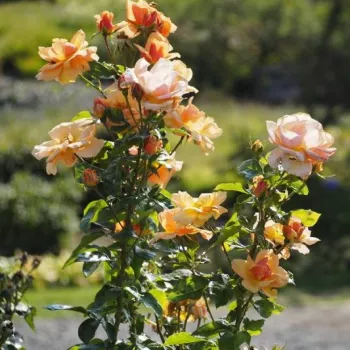
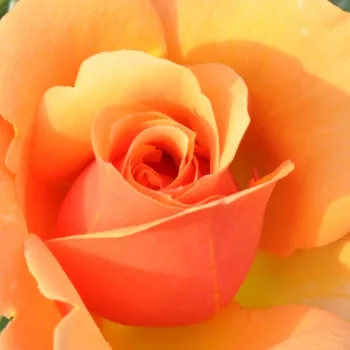
PROF. KOWNAS – orange hybrid tea rose
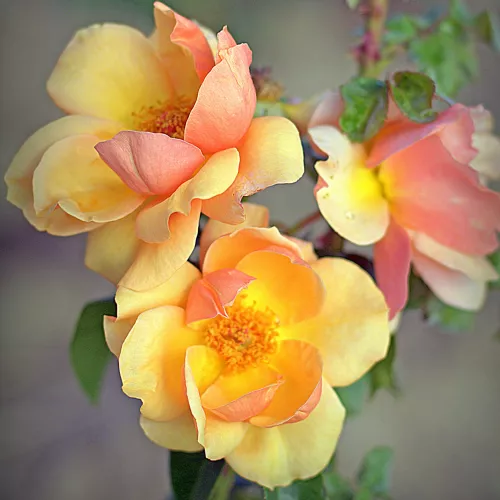
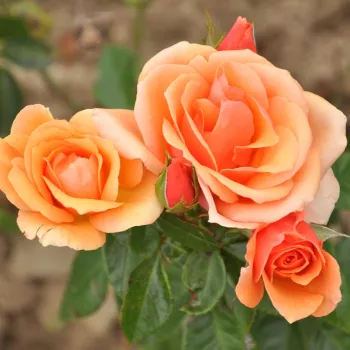
Step out after rain and meet the Prof. Kownas hybrid tea rose: a quietly confident focal point for compact, rainwater-wise front gardens where glossy foliage shrugs off showers and breezes in coastal-style conditions. Its refined orange blooms with a golden sheen open on upright, manageable growth that slips easily into narrow beds or smart containers, bringing a sense of everyday balance without demanding expert care. As an own-root plant it is bred for longevity, building strong foundations so that Year 1 favours roots, Year 2 fuller shoots and Year 3 the complete ornamental picture, helping you enjoy sustainable, low-fuss gardening.
Usage options
| Target area | Reasoning |
|---|
| Small urban front garden |
The upright, 70–95 cm habit fits slim London-style front beds and paths, giving neat height without overwhelming railings or windows, ideal where space is tight but you still want classic hybrid tea form for a welcoming entrance for the beginner. |
| Rainwater-conscious planting by the path |
Prof. Kownas handles frequent showers and breezy aspects, making it well suited to front gardens that channel roof or path run-off into planting strips, where reliable roots and sturdy foliage help stabilise the layout for the sustainability-minded. |
| Feature rose in a large container |
In a 40–50 litre or larger pot with peat-free compost and good drainage, this rose forms a tidy, upright specimen, ideal for paved terraces or balconies where you want a single, elegant shrub to anchor outdoor seating for the city-dweller. |
| Cut-flower corner in a family garden |
Solitary, medium-sized, double blooms on straight stems are easy to cut and arrange, helping you create simple bouquets from a modest row or cluster, bringing a touch of florist-style orange warmth into the house for the homeowner. |
| Own-root long-term border planting |
The own-root form supports gradual, dependable growth with good capacity to regenerate after pruning or harsh winters, building a stable shrub that maintains ornamental value for many seasons with moderate inputs for the planner. |
| Mixed border with perennials |
Its dense, dark green foliage and warm orange flowers pair attractively with airy companions such as lavender, salvia or nepeta, providing colour structure while softer perennials fill gaps and encourage beneficial insects for the enthusiast. |
| Low-maintenance specimen near seating |
Medium maintenance needs and only occasional plant protection make it realistic for busy owners; regular deadheading keeps the generous second flush coming, so a single plant can offer months of interest close to a bench for the busy. |
| Clay or chalky soil family garden |
Once established in improved, well-drained clay or lighter chalk, the robust root system and H7 hardiness help the shrub cope with cool, wet spells and ordinary British winters with reassuring reliability for the practical. |
Styling ideas
- Terraced-elegance – Line a short front path with two or three evenly spaced plants, underplanted with low nepeta for a soft, blue edging – ideal for city homeowners wanting structure without fuss.
- Sunset-trio – Combine Prof. Kownas with apricot foxgloves and soft ornamental grasses in a slim border for a warm, blended colour story – suited to small gardens needing a single strong focal hue.
- Balcony-classic – Plant one rose in a 50 litre container with trailing thyme and white alyssum to spill over the rim – perfect for renters seeking a movable, fragrant statement piece.
- Cutting-row – Arrange a simple row along a sunny fence, spacing for easy access so you can clip straight stems for vases – good for families who like bringing home-grown flowers indoors.
- Glossy-hedge – Create a low, formal hedge by closer planting along a front boundary, letting the dark green leaves form a refined backdrop – best for those seeking a smart, traditional frontage.
Technical cultivar profile
| Parameter | Data |
|---|
| Name and registration |
Prof. Kownas is a hybrid tea rose by Stanisław Żyła, marketed as an orange hybrid tea for garden and cutting use; it belongs to the Hybrid Tea commercial group and exhibition hybrid tea category. |
| Origin and breeding |
Raised from (Crepe de Chine × Marina) × Rinacor, bred by Stanisław Żyła and introduced in 1996 after registration in 1994; breeding institution and first distributor are not documented in current records. |
| Growth and structural characteristics |
Upright hybrid tea shrub 70–95 cm high and 40–55 cm wide, moderately thorny, with dense, glossy, dark green foliage; spent blooms persist, so regular deadheading is advised to maintain a tidy appearance. |
| Flower morphology |
Medium-sized, cup-shaped, flat-opening blooms borne mainly solitary, with 26–39 petals and double fullness; remontant flowering habit with a generous second flush given suitable care and timely deadheading. |
| Colour data and phenology |
Bright orange flowers with a subtle golden tinge, ARS OB, RHS 24A outer and 23B inner; buds deep orange, later softening to salmon-rose and pastel-gold tones as blooms age while generally retaining good colour. |
| Fragrance and aroma |
Displays a mild, pleasant floral fragrance of subtle intensity, noticeable at close range without dominating nearby seating areas; suitable for those preferring a gentle scent rather than a strongly perfumed garden rose. |
| Hip characteristics |
Hip set is usually low due to the very double flowers, although occasional small spherical hips 12–17 mm in diameter may form, ripening orange-red and adding modest late-season interest without heavy seeding. |
| Resistance and winter hardiness |
Hardy to about −29 to −26 °C (RHS H7, Swedish zone 4, USDA 5a), with generally good black-spot resistance but moderate susceptibility to powdery mildew and rust, so light preventive care may be beneficial. |
| Horticultural recommendations |
Best in sunny or lightly shaded borders, at 25–50 cm spacings depending on use, with around 10–12 plants per m² for massing; medium maintenance level, average water needs, and irrigation advised in prolonged droughts. |
Prof. Kownas offers refined orange blooms on compact, upright growth with dependable hardiness and own-root resilience, making it a thoughtful choice for long-lived, low-fuss front gardens and terraces.