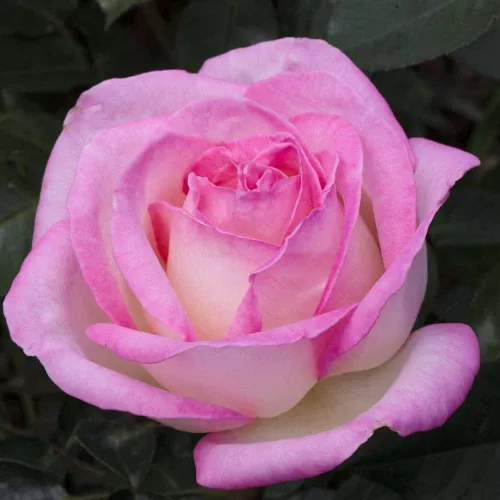
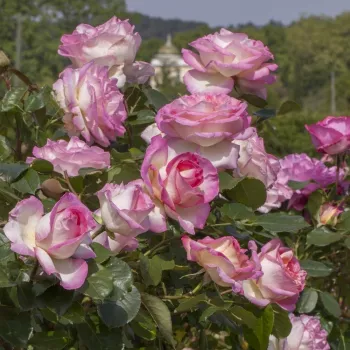
PRINCESSE DE MONACO ® – white-pink hybrid tea rose – Meilland
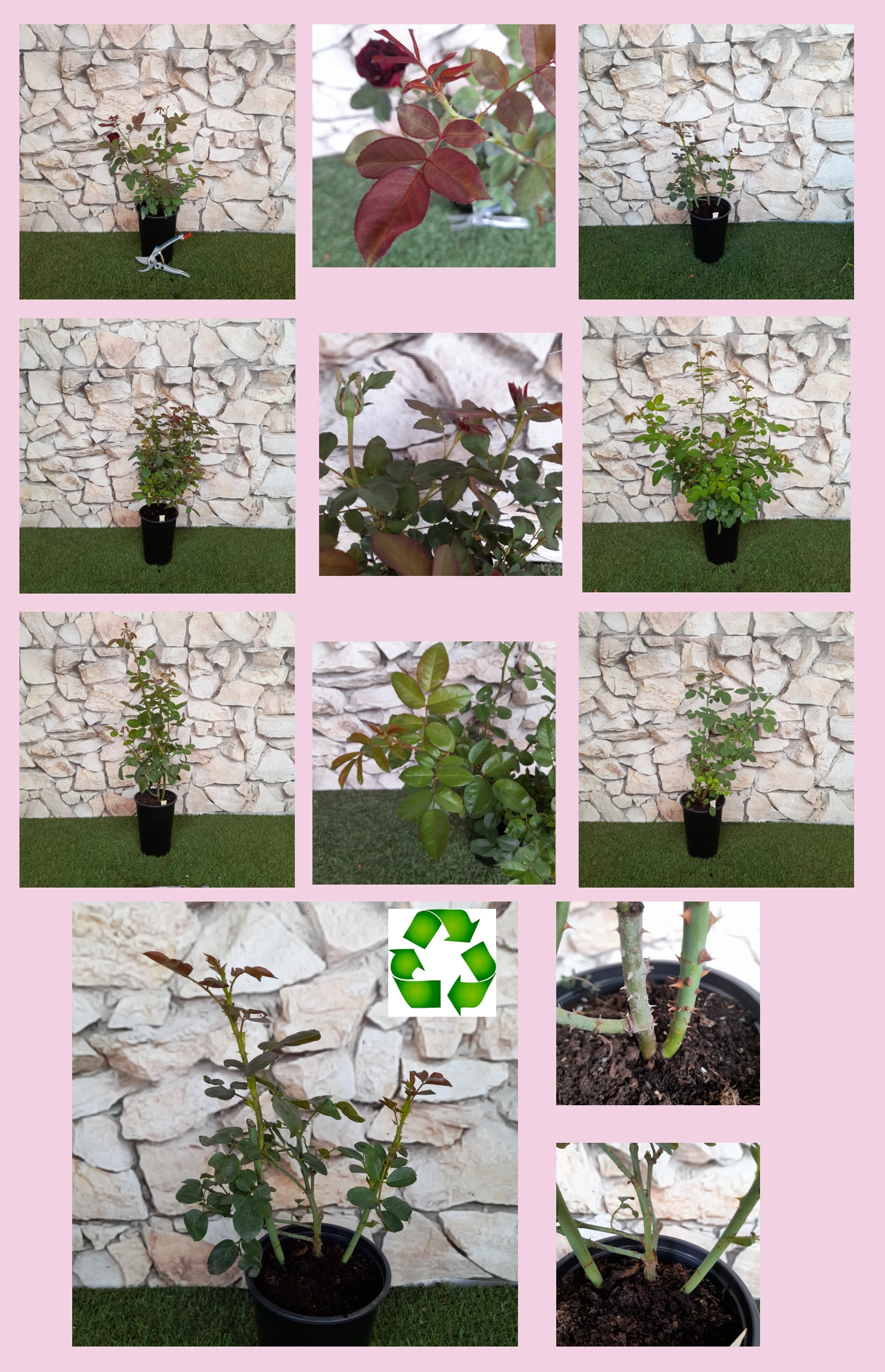
Bring a touch of elegance to a compact London front garden or balcony with this creamy white, pink-edged hybrid tea rose, bred for long, repeat-flowering display rather than fuss. Its upright habit and glossy foliage make it ideal where space is at a premium, while the large, high-centred blooms are perfect for cutting and enjoying indoors. Own-root plants establish steadily, rewarding patient gardeners with a reassuring longevity and the ability to regenerate if winter or pruning are less than perfect. Over the first three seasons it moves from building roots, to stronger shoots, and then to full ornamental value, settling into a balanced rhythm of flowering and regrowth. Well suited to typical British mixed weather, it copes reliably with wind and rain when planted in well-prepared soil that drains freely yet holds enough moisture. For sustainable, rainwater-led watering, simply collect and use stored rainwater during dry spells. Whether you favour classic bouquets or a calm, pastel planting scheme, this long-lived, own-root rose offers an easy route to a refined, low-fuss garden centrepiece.
Usage options
| Target area |
Reasoning |
| Front garden focal point |
The upright, well-organised habit and XL hybrid tea blooms create an instant focal point beside a path or doorway, giving structure without overwhelming a small space. Best for those wanting graceful impact with minimal complexity for beginners. |
| Cutting patch or patio pot for cut flowers |
High-centred, exhibition-style flowers on sturdy stems are ideal for vases, allowing you to harvest blooms regularly from a modest bed or a large 40–50 litre container. Suits home florists seeking reliable stems in a compact area for homeowners. |
| Rainwater-conscious city planting |
Performs well in typical urban conditions, combining dense foliage with good heat tolerance so it thrives where paving and brickwork reflect warmth, while a well-prepared bed helps manage heavy showers and improve rainwater infiltration for urbanites. |
| Clay or chalk garden upgrade |
Once planted into improved, well-drained clay or chalky soil, the own-root system develops steadily and supports long-term performance, so you can depend on consistent flowering rather than frequent replacements for planners. |
| Low-fuss family flower bed |
Moderate maintenance and good resistance to powdery mildew and rust keep routine care straightforward; periodic deadheading and occasional black-spot monitoring are usually sufficient to maintain a tidy, floriferous display for busy-gardeners. |
| Wind-exposed or coastal-feel sites |
Compact height and a solid, upright framework mean blooms are less battered than taller, lankier roses, helping it stand up to blustery days and passing showers in more open, breezy gardens typical of many UK neighbourhoods for coastal-owners. |
| Long-term specimen in a sustainable scheme |
The own-root form underpins a long lifespan and stable ornamental value; if top growth is damaged, the plant can regenerate from its own wood, supporting a resilient, low-turnover planting plan for sustainability-minded. |
| Structured mixed border with perennials |
Dense, dark green foliage and pastel white–pink flowers pair beautifully with lavender, nepeta or sage, adding formal structure among softer perennials and helping a small border feel intentional and well designed for design-lovers. |
Styling ideas
- Doorway – Plant as a single specimen by a front step with underplanting of lavender and nepeta to frame the path – ideal for homeowners wanting a welcoming, classic entrance.
- Balcony – Grow one plant in a 40–50 litre container with free-draining peat-free compost and a gravel mulch – perfect for urbanites maximising colour in limited space.
- Pastel – Combine with soft pinks, whites and silvery foliage, such as sage and dianthus, for a calm, “girly” front garden palette – suited to those seeking a gentle, romantic look.
- Formal – Use evenly spaced plants in a short hedge or row along a path, backed by dark evergreen shrubs for contrast – for gardeners who enjoy ordered, traditional structure.
- Mosaic – Mix with late-summer perennials like liatris and airy grasses to create a textured, rainwater-friendly bed that still features strong roses – good for sustainable-planting enthusiasts.
Technical cultivar profile
| Characteristic |
Data |
| Name and registration |
Hybrid tea rose, registered as MEImagarmic, marketed as PRINCESSE DE MONACO ® – white-pink hybrid tea rose – Meilland; exhibition name Princesse de Monaco, verified cultivar authenticity. |
| Origin and breeding |
Bred by Marie-Louise Meilland in France from ‘Ambassador’ × ‘Mme Antoine Meilland’; bred and registered 1981, introduced 1982 by Meilland Richardier as a premium hybrid tea rose. |
| Awards and recognition |
Gold Medal winner at Monza in 1983 and Geneva in 1984, confirming high ornamental value and performance in international trial grounds over multiple growing seasons. |
| Growth and structural characteristics |
Compact, upright bush reaching about 70–90 cm in height and 50–70 cm spread; dense, glossy dark green foliage, moderate thorns, and a tidy, well-organised framework suitable for beds or containers. |
| Flower morphology |
Very large, double, high-centred hybrid tea blooms with 26–39 petals, usually borne singly on stems; strongly remontant with an especially abundant second flush, ideal for cutting and repeat garden display. |
| Colour data and phenology |
Creamy white base with pink-edged petals; ARS wb, RHS 62C and NN155D; opens cream with carmine-pink flush, then matures to pastel white-pink, fading faster in strong sun yet retaining good overall colour quality. |
| Fragrance and aroma |
Light, restrained scent rather than a strong perfume, offering gentle background fragrance without dominating nearby seating areas or indoor arrangements made from the cut blooms. |
| Hip characteristics |
Produces small numbers of ellipsoidal hips, about 15–21 mm across, maturing to orange-red; ornamental interest is secondary to the display of repeat flowers on this variety. |
| Resistance and winter hardiness |
Hardy to approximately −21 to −18 °C (RHS H7, USDA 6b, Swedish zone 3); good resistance to powdery mildew and rust, moderate for black spot, with solid heat tolerance given regular watering in long dry spells. |
| Horticultural recommendations |
Best in full sun with well-drained but moisture-retentive soil; recommended spacing 55 cm in beds, 45 cm for low hedges; moderate care needs including occasional protection, deadheading and light formative pruning. |
PRINCESSE DE MONACO ® offers large exhibition-style blooms, compact structure and long-term reliability from its own-root form; a thoughtful choice if you would like a refined, enduring feature in your garden.