PRIDE OF ENGLAND – red hybrid tea rose - Harkness
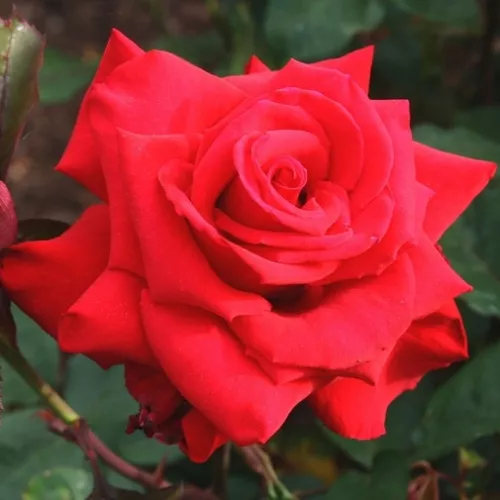
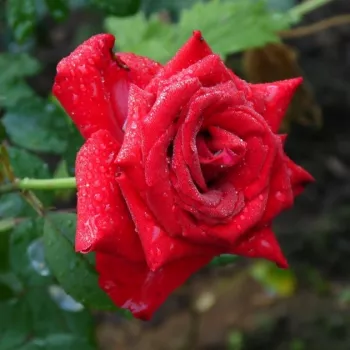
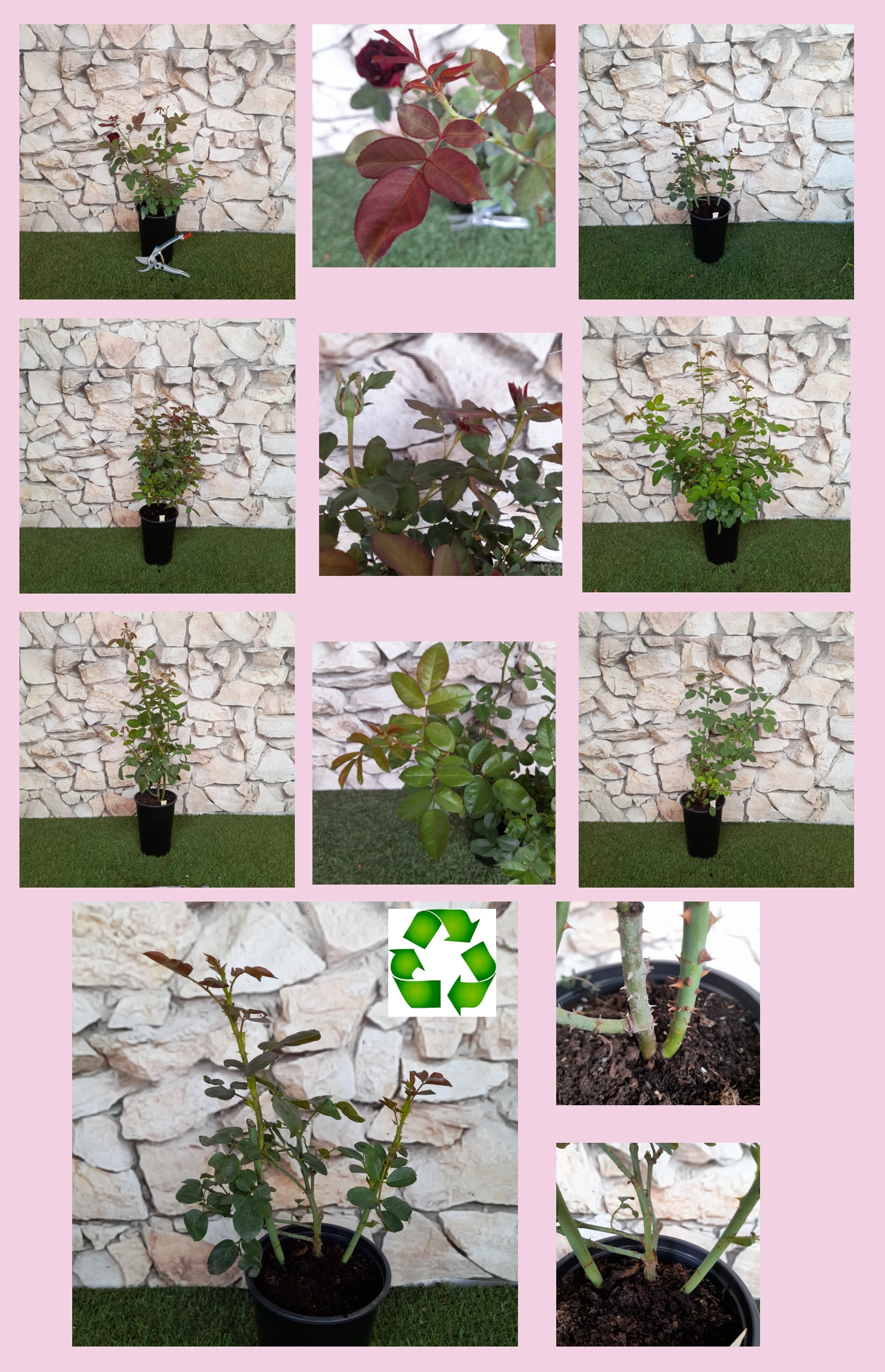
Step from pavement to front path and be met by the velvet glow of ‘Pride of England’, a classic hybrid tea that turns even a small London terrace into a quiet moment of balance. Large, formal blooms unfold in a rich, lasting scarlet red, ideal for cutting after summer showers and enjoying indoors. Grown on its own roots for dependable longevity, it knits steadily into the border, giving you a reassuring rhythm of new growth and repeat flowering with little more than watering and light deadheading, even where rain and wind regularly test your garden’s resilience. In the first years it concentrates on strong roots, then bolder shoots, and by the third season it settles as a full, reliable feature in your urban sanctuary. Plant into peat-free compost, make simple provision for drainage, and enjoy a sustainable, easy-care rose that quietly rewards everyday attention.
Usage options
| Target area |
Reasoning |
| Front garden focal point |
The tall, upright habit and large, high-centred blooms give strong vertical accents beside a front door or gate, creating a formal welcome without demanding complicated upkeep, ideal for the time-poor homeowner. |
| Cutting and indoor display |
Long, straight stems and exhibition-style flowers are bred for vases, so a single bush supplies regular, classic red stems for the house from early summer into autumn, suiting the creative hobby-gardener. |
| Compact specimen in small beds |
Its moderate spread fits neatly into modest borders, offering a single, well-shaped bush that anchors planting schemes, particularly useful where every square metre in a family front garden must earn its place for the urban-gardener. |
| Mixed rose or shrub border |
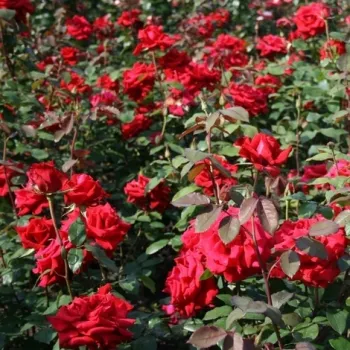
Dense dark foliage and formal flowers add structure among looser perennials; pairing with aromatic herbs such as lavender or nepeta helps balance its moderate disease resistance in wetter districts for the cautious beginner. |
| Large patio container (40–50 L) |
In a generous, well-drained pot, this rose makes a movable feature for paved or rainwater-managed spaces, especially where you want easy watering access and tidy, upright growth on a balcony-focused city-dweller. |
| Rain-exposed, windy sites |
Firm, upright canes and well-held blooms cope respectably on more open plots, offering reliable flowers even where frequent showers and breezes would flatten floppier plants, reassuring the coastal or edge-of-town gardener. |
| Partially shaded front gardens |
Tolerant of light shade, it still produces richly coloured blooms where houses or street trees limit direct sun, making it practical for narrow, overlooked terraces and shared frontages for the space-conscious neighbour. |
| Long-term, own-root planting |
The own-root form encourages steady regeneration from the base, supporting a long-lived, stable shrub that can recover well after hard pruning, season by season building into a dependable feature for the sustainability-minded planner. |
Styling ideas
- Classic-Entrance – Flank a narrow path with two specimens underplanted with dwarf heuchera for year-round foliage contrast – ideal for owners of traditional brick terraces.
- Crimson-Curtain – Line a low front fence with evenly spaced bushes and soft grasses to create a gentle, semi-formal hedge – for families wanting privacy without solid walls.
- Balcony-Showpiece – Grow one plant in a 50 litre container with trailing sedum spurium to soften the pot edge – perfect for flat-dwellers making the most of limited floor space.
- Evening-Glow – Combine with pale nepeta or silvery foliage to make the red blooms stand out in low light – suited to those who most enjoy their garden after work.
- Cutting-Corner – Dedicate a sunny spot with chives and other cottage herbs so you can pick both flowers and herbs together – appealing to home cooks who like garden-to-table moments.
Technical cultivar profile
| Parameter |
Data |
| Name and registration |
Hybrid tea rose; registered as HARencore, marketed as Pride of England in the Harkness Masterpiece Collection®, with ARS exhibition approval under the same trade name. |
| Origin and breeding |
Bred by Richard Harkness (R Harkness & Co Ltd, UK); bred 1997, registered and introduced 1998, with parentage not publicly recorded but selected for classic exhibition bloom form. |
| Awards and recognition |
Highly decorated at European rose trials: Belfast Gold Medal and Best Hybrid Tea 2000, Orléans Certificate of Merit 2000, The Hague Bronze and Gold Medals around 2000 for flower quality. |
| Growth and structural characteristics |
Upright, bushy habit reaching about 100–130 cm in height and 55–75 cm spread, with moderately thorny stems and dense, slightly glossy dark green foliage providing a solid structural presence. |
| Flower morphology |
Large, double, high-centred hybrid tea blooms on mostly solitary stems, with around 26–39 petals and strong form, remontant with a generous second flush when regularly deadheaded in season. |
| Colour data and phenology |
Velvety deep red flowers, ARS DR, RHS 46A–46B; buds burgundy-red, opening ruby to fiery red, then slowly softening to cherry tones, with colour holding reasonably well except in strong sun. |
| Fragrance and aroma |
Light, delicately floral perfume that is noticeable at close range without overpowering nearby seating or indoor arrangements, complementing the classic hybrid tea appearance rather than dominating it. |
| Hip characteristics |
Moderate crop of small, spherical orange-red hips about 10–15 mm across, adding a quietly decorative note in late season where some spent flowers are left uncut on the plant. |
| Resistance and winter hardiness |
Hardy to around –21 to –18 °C (RHS H7, roughly USDA 6b, Swedish zone 3), with moderate tolerance of heat, drought and major fungal diseases, benefiting from basic preventive care in damp summers. |
| Horticultural recommendations |
Suited to borders, cutting gardens, specimens and large containers; plant 40–70 cm apart, use fertile, well-drained, preferably peat-free soil, with watering during extended dry spells and occasional protection treatments. |
PRIDE OF ENGLAND combines formal red blooms, compact upright shape and award-winning performance with the steady resilience of an own-root rose, making it a thoughtful choice for long-term structure and seasonal colour in your garden.