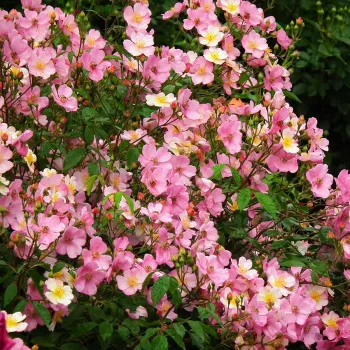
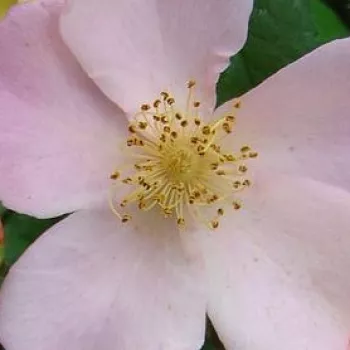
PLAISANTERIE – pink park rose – Lens
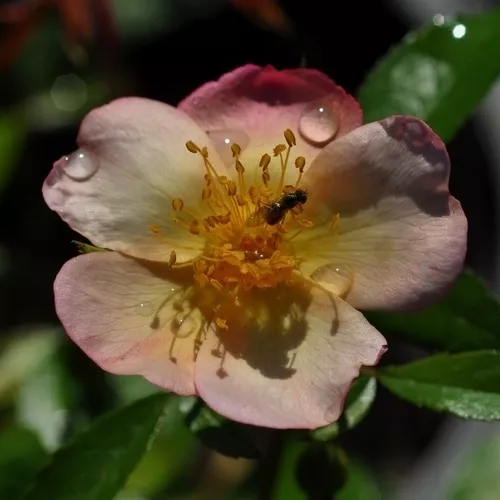
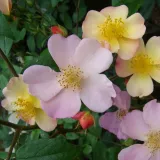
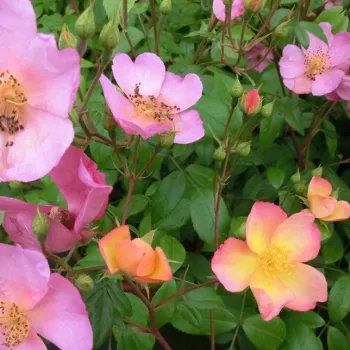
With its ever-changing flowers and relaxed habit, PLAISANTERIE brings a sense of movement and colour-play to compact London front gardens and informal family spaces, thriving even where wind and rain regularly test planting schemes in exposed streetscapes. Clusters of small, single blooms open in warm tones then shift through soft pinks, creating a gentle rhythm of interest from early summer well into autumn. As an own-root shrub it offers reassuring resilience, quietly rebuilding from the base after pruning or weather damage and promising a long lifespan with stable shape and character. Expect a natural development: first year quietly focused on rooting, second year gaining leafy structure, and by the third year delivering its full, playful ornamental impact in your sustainable, rainwater-conscious garden.
Usage options
| Target area | Reasoning |
|---|
| Narrow London front garden hedge |
Use as a loose, informal hedge along a low front fence or railings; the tall, arching habit and self-cleaning flowers give a soft, lived-in look without constant deadheading, appealing to the busy urban gardener. |
| Climbing accent on porch or railing |
Trained lightly as a small climber, PLAISANTERIE’s flexible shoots and compact flowers create a filigree veil over railings or a porch post, ideal where you want height without heavy, high-maintenance pruning for the space-conscious homeowner. |
| Rainwater-friendly front-garden border |
Planted into improved clay or chalky soil beside a gravel strip or soakaway, its own-root system settles reliably and tolerates wet, windy spells typical of exposed urban streets, suiting the sustainability-minded gardener. |
| Mixed shrub and perennial screen |
Combine with upright perennials to form a light screening strip between neighbouring terraces; the moderate density foliage and changing flower colours break up sightlines without feeling heavy, which works well for the privacy-seeking family. |
| Low pergola or archway support |
On a small pergola or narrow arch, the climbing habit and moderate thorniness create a romantic, yet manageable, canopy; own-root growth means it recovers steadily from training cuts, reassuring the cautious beginner. |
| Wildlife-friendly, informal strip |
Single flowers offer accessible pollen, and the bottle-shaped orange-red hips add late-season food and colour; left a little looser, it supports light wildlife interest with minimal input from the nature-aware gardener. |
| Large container on patio or balcony |
In a 40–50 litre peat-free container, PLAISANTERIE can be grown as a narrow vertical feature; regular watering with stored rainwater keeps growth fresh and flowering reliable, convenient for the urban balcony owner. |
| Seasonal cut stems for small arrangements |
The playful colour shift of each cluster gives delicate, informal stems for small vases; own-root durability supports regular cutting without weakening the plant, making this an easy pleasure for the home flower arranger. |
Styling ideas
- Playful frontage – Underplant PLAISANTERIE with soft Nepeta and low thyme around a permeable gravel path for a rainwater-friendly terraced-house entrance – ideal for design-conscious city dwellers.
- Soft screen – Weave its arching stems through a simple wire fence, backed with tall garden phlox in pastel tones, to create a gentle privacy screen for relaxed family gardens.
- Pastel pergola – Train it over a slim wooden pergola with lavender and sage at the base for scent and pollinator interest, perfect for those wanting structure without a heavy climber.
- Balcony focal – In a 50-litre pot, pair it with airy grasses and low-growing herbs to form a vertical accent that stays light and manageable on small balconies.
- Cottage ribbon – Let it mingle in a border with Lychnis and purple loosestrife, using its shifting pink shades to link bolder perennials in a soft, cottage-style strip.
Technical cultivar profile
| Characteristic | Data |
|---|
| Name and registration |
Shrub, Hybrid Musk park rose registered as LENtrimera, marketed as PLAISANTERIE – pink park rose – Lens; ARS exhibition name ‘Plaisanterie’ within the Park – shrub rose group. |
| Origin and breeding |
Bred by Louis Lens in Belgium (1988), introduced and registered in 1996 by Lens Roses; parentage ‘Trier’ × Rosa chinensis ‘Mutabilis’, reflecting Hybrid Musk and China rose heritage. |
| Awards and recognition |
Recognised as a classic shrub rose at the Mother Lode Rose Society show in 2001, reflecting its ornamental value and suitability for exhibition as a show shrub rose. |
| Growth and structural characteristics |
Vigorous, climbing shrub 150–210 cm high and 170–230 cm wide, moderately thorny, with moderately dense, slightly glossy green-bronze foliage; ideal for fences, pergolas and informal screening. |
| Flower morphology |
Small, flat, single to semi-double clusters with 5–12 petals, flower size S; remontant with abundant second flush, good self-cleaning so most spent blooms drop without labour-intensive deadheading. |
| Colour data and phenology |
Colour shifts from orange buds through yellowish-pink to medium and purplish pink; RHS 54A–54B, ARS PB; colour retention modest, but continuous tonal change gives lively, playful displays through the season. |
| Fragrance and aroma |
No noticeable fragrance; chosen primarily for its dynamic colour play, floriferous clusters and structural presence rather than scent, suiting gardens where visual impact takes priority over perfume. |
| Hip characteristics |
Produces moderate quantities of small, bottle-shaped orange-red hips, around 8–12 mm; these extend interest into autumn and can complement wildlife-friendly plantings and informal, naturalistic schemes. |
| Resistance and winter hardiness |
Hardy to about -21 to -18 °C (RHS H7, USDA 6b, Swedish zone 3); disease resistance weak, especially to powdery mildew and rust, so regular monitoring and protection are advisable in humid summers. |
| Horticultural recommendations |
Best as specimen, hedge, fence or pergola rose at 120–220 cm spacing; accepts partial shade and benefits from improved drainage and regular care, including plant protection where fungal pressure is high. |
PLAISANTERIE offers playful colour shifts, graceful climbing form and self-cleaning flowers on a durable own-root framework, making it a thoughtful long-term choice for characterful family gardens and small urban fronts.