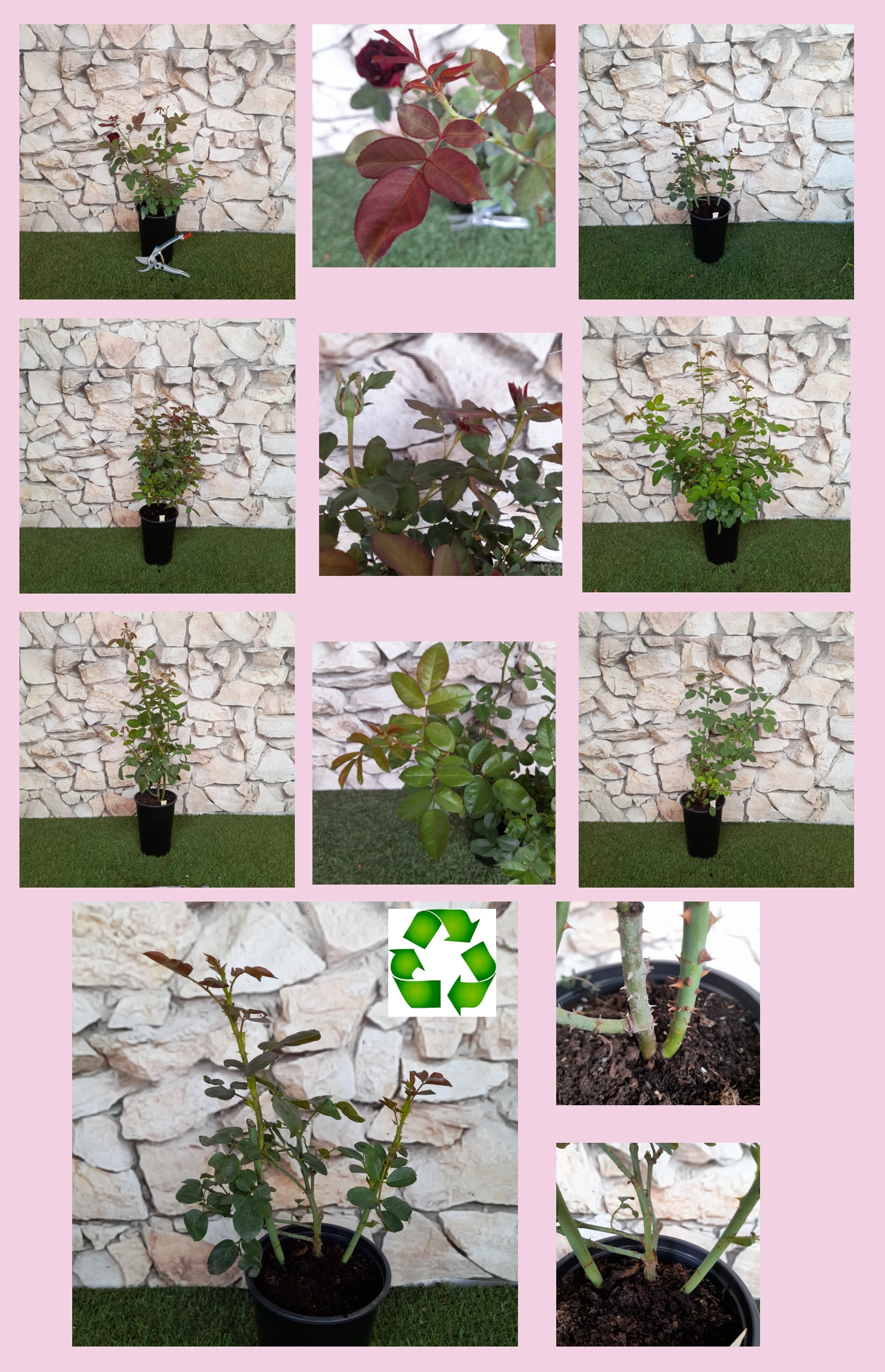
YUMEMURASAKI – purple bedding floribunda rose - Kawai
Step out after rain into a front garden filled with fragrance and gentle movement: YUMEMURASAKI brings a fresh, citrusy, garden-filling scent and waves of purple, cup-shaped blooms from early summer onwards, while coping steadily with damp air and breeze in typical British streets. This compact floribunda is easy to place in a London terrace front, narrow border or large container, where its upright habit and mid-green, slightly glossy foliage give a smart, structured look even between flushes. As an own-root rose it is bred for longevity, quietly building a deeper root system, sturdier shoots and fuller display over three seasons so you can enjoy stable colour without constant replacing. With moderate disease resilience, standard maintenance and no demanding pruning regime, it suits busy gardeners who still want a distinctive, dream-like purple accent at the front of the house.
Usage options
| Target area |
Reasoning |
| Narrow London terrace front border |
The upright, compact habit and 95–125 cm height make this rose ideal for slim soil strips along paths or railings, giving a vertical veil of purple without overwhelming the space; a calm, scented choice for the busy townhouse gardener |
| Rainwater‑friendly front garden scheme |
Planted into well-prepared soil with improved drainage, YUMEMURASAKI works well where you slow and soak run‑off from downpipes, tolerating breezy, damp conditions while providing reliable colour and scent for the eco‑aware urban homeowner |
| Feature rose in a 40–50 L container |
In a generous, 40–50 litre peat-free pot this floribunda forms a neat, upright shrub with numerous clusters, perfect by the front door or on a balcony where the citrusy perfume can be fully appreciated by the space-conscious balcony gardener |
| Own‑root long‑term planting in family gardens |
Supplied on its own roots, the plant steadily thickens and renews from the base, supporting a long service life with stable shape and colour for households that prefer planting once and enjoying for years as a practical family gardener |
| Low‑maintenance mixed border with perennials |
Moderate disease resistance and simple pruning needs suit borders where you combine it with tough perennials such as lavender, nepeta or sage, reducing overall fuss while still achieving a richly coloured, romantic effect for the relaxed hobby gardener |
| Season‑spanning repeat‑flowering display |
Remontant flowering brings one main flush followed by generous repeats, keeping the border lively over the main season so even those who are away at times can still come home to colour and scent as a time‑pressed commuter gardener |
| Gradual impact project over 1–3 years |
The shrub is supplied young, establishing roots in the first season, building framework and more stems in the second, and reaching its full ornamental presence around year three, which suits patient planners and the forward‑looking new homeowner |
| Structured, scented focal point planting |
The tidy height, cup-shaped, very double blooms and vibrant purple-lilac tones create a strong focal point in small gardens or at path junctions, adding definition and perfume for design-conscious yet practical front‑garden owners |
Styling ideas
- Dream‑frontage – Line a narrow front border with YUMEMURASAKI and soft grasses, letting the purple cups float above feathery foliage – ideal for design‑curious city dwellers.
- Perfumed‑pot – Plant a single shrub in a 50 L clay pot with trailing thyme at the rim for scent at different heights – perfect for balcony and doorstep gardeners.
- Purple‑ribbon – Repeat‑plant three shrubs at 65 cm in a row with lavender infill to create a low, fragrant ribbon of colour – suited to low‑maintenance family gardens.
- Evening‑border – Pair with silver foliage plants and white nepeta so the lilac‑silver petals glow in dusk light – appealing to late‑home commuters who unwind outdoors.
- Rain‑garden – Site alongside a gravelled soakaway with sage and ornamental alliums, using the rose as a scented vertical accent – for sustainability‑minded front‑garden owners.
Technical cultivar profile
| Parameter |
Data |
| Name and registration |
Floribunda bed rose; registered as ZENfuyumemu, traded as Yumemurasaki. Exhibition floribunda category; own-root eleanorROSE ORIGINAL 2-litre container for garden use. |
| Origin and breeding |
Bred by Takashi Kawai, Japan, for Perennial Co., Ltd. Introduced and registered in 2009, with parentage not publicly specified by the breeder. |
| Growth and structural characteristics |
Upright, medium-height shrub reaching around 95–125 cm, spreading 60–80 cm. Moderately dense, mid-green, slightly glossy foliage and moderate prickliness; forms a tidy, bedding-suitable outline. |
| Flower morphology |
Medium-sized, 1.5–2.75 in, very double, cup-shaped flowers in clusters. More than 40 petals per bloom, with good repeat flowering and a generous second flush in suitable conditions. |
| Colour data and phenology |
Mid-purple with a pinkish tone; buds deep viola-lilac. Petals lighten from dark violet-lilac to greyish-lilac with silvery edges; colour stays richer in cool weather, with excellent overall colour retention. |
| Fragrance and aroma |
Strong, garden-filling scent with a fresh, citrus character. Designed primarily as an ornamental bedding floribunda, but provides notable perfume around paths, doors and seating areas. |
| Hip characteristics |
Occasionally sets small spherical orange-red hips, about 6–9 mm diameter. Hips are sporadic but can add a modest decorative touch in late season when present. |
| Resistance and winter hardiness |
Rated to approximately −21 to −18 °C (USDA 6b, RHS H7, Swedish zone 3). Disease resistance is moderate to powdery mildew, black spot and rust, requiring standard preventive care. |
| Horticultural recommendations |
Suited to borders, specimen and container use. Plant at 55–65 cm spacing, in improved, well-drained soil; medium maintenance, with light pruning and occasional plant-protection as required. |
YUMEMURASAKI offers a compact, upright floribunda with strong fragrance, repeat purple flowering and long-lived own-root reliability, making it a thoughtful choice for understated yet enduring front-garden planting.