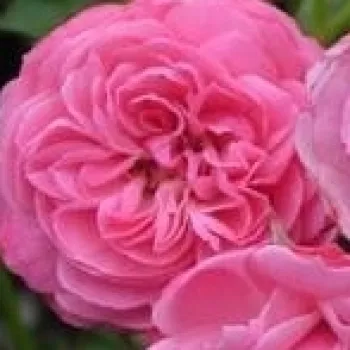
PIRONTINA – pink climbing rose – Pironti di Campagna
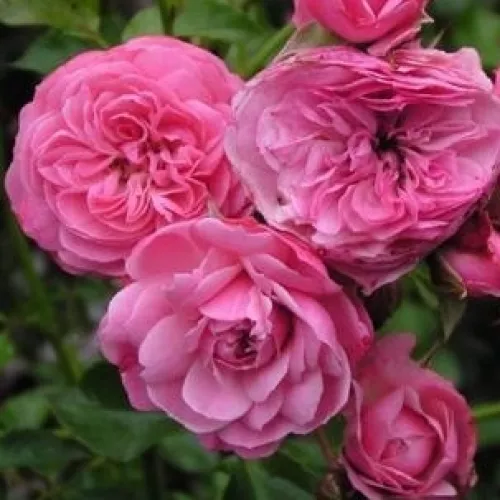
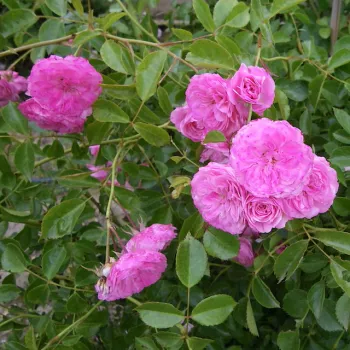
Bring a sense of balance to a small front garden with this softly pink, large-flowered climbing rose, ideal for training on arches, railings or house walls where you need vertical impact without sacrificing ground space. Trained with simple ties and light pruning, it creates a generous curtain of blooms along wires or trellis, coping reliably with typical British rainfall and breezy suburbs in a way that suits low-fuss, real-life gardens. As an own-root shrub, its natural longevity and ability to regenerate from the base support a stable look over many seasons, while you focus on rest and calm rather than complex maintenance. In its first year it concentrates on roots, the second on stronger shoots, and by the third year it settles into its full ornamental value with dense, dark green foliage framing clusters of romantic, globular flowers.
Usage options
| Target area | Reasoning |
|---|
| London terraced-house front wall |
Ideal where horizontal space is tight but you want a welcoming, flowered approach: train it flat against masonry or timber trellis for vertical cover without blocking paths, perfect for the time-pressed city homeowner seeking a refined, lasting effect for the family. |
| Rainwater-conscious side return |
Works well along permeable gravel or planting strips, where rain from roofs or downpipes can seep into the soil instead of running off; its own-root resilience helps it cope steadily with the typical British mix of showers and wind for the sustainability-minded urban gardener. |
| Arch over a narrow garden path |
The compact flower size and dense branching lend themselves to training over a slim metal or wooden arch, creating a soft pink tunnel without feeling overbearing, ideal for beginners wanting a romantic feature that matures gradually for the busy modern homeowner. |
| Fence or railing divider |
Clothes plain fencing or railings with layers of double blooms and glossy foliage, helping to soften boundaries between neighbouring gardens while remaining reasonably tidy and manageable, a good choice for families needing easy structure in a shared outdoor space. |
| Training on a pergola corner post |
Suited to being spiral-tied up one or two pergola posts, where its height can be used to frame seating or a dining nook with summer colour and dappled privacy, attractive to householders who want long-term value from a single, dependable climbing plant. |
| Statement climber in a large container |
When planted in a substantial 40–50 litre pot with good drainage and a sturdy obelisk, it becomes a movable focal point on patios or balconies, particularly appealing for renters and balcony owners who need flexibility without sacrificing permanent-looking garden style. |
| Cottage-style mixed border backdrop |
Placed at the back of a border, it supplies vertical interest and a soft pink background for perennials and grasses, its dense leaves and repeat flowering providing continuity that supports those curating a classic, gently evolving cottage look for their garden. |
| Family play garden boundary |
Trained along sturdy wires at the edge of a lawn, it offers floral screening and seasonal hips without encroaching too far into play space, suiting families who want ornamental structure that can be lightly maintained between school runs and weekend activities. |
Styling ideas
- Soft-rose frontage – Pair with lavender and nepeta underplanting along a terrace wall for a calm, scented entrance – ideal for busy owners wanting low-effort charm.
- Romantic archway – Train over a slim metal arch with white foxgloves and soft grasses for a gently nostalgic walk-through feature – suited to beginners seeking drama without complexity.
- Urban pergola nook – Wind stems up pergola posts, with pots of sage and thyme beneath, to create a green, semi-private seating corner – perfect for city gardeners craving a peaceful retreat.
- Elegant screen – Use along wires on a boundary fence, backed by evergreen shrubs and underplanted with hardy geraniums – good for families needing year-round structure and summer colour.
- Container climber – Grow in a 50 litre tub with a tall obelisk, combined with trailing herbs, to soften a balcony or patio – ideal for renters wanting moveable, long-lived planting.
Technical cultivar profile
| Property | Data |
|---|
| Name and registration |
Large-flowered climbing rose, exhibition category climber; current trade name PIRONTINA – pink climbing rose – Pironti di Campagna, with American Rose Society exhibition name registered as Pirontina. |
| Origin and breeding |
Bred in Italy in 1975 by Duca Nicola Pironti di Campagna; parentage and breeding institution are not recorded, introduced as a traditional climbing rose for ornamental garden use. |
| Growth and structural characteristics |
Creeping, trainable climber reaching about 240–380 cm high and 100–160 cm wide, with dense, dark green, glossy foliage and moderate thorns, ideal for arches, walls and structured boundaries. |
| Flower morphology |
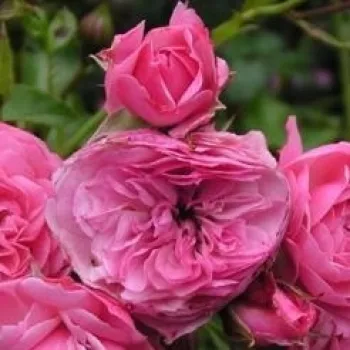
Very double, globular pompon-shaped blooms with over 40 petals; medium-sized clusters on each stem, offering a generous repeat flush that extends the decorative season on supports. |
| Colour data and phenology |
Moderately saturated soft pink flowers (RHS 65C–65D); buds open from deeper pink to medium pink, then gently fade towards pastel before falling, giving nuanced colour changes across the season. |
| Fragrance and aroma |
Classed as scentless with no noticeable fragrance, making it suitable where neutral scent is preferred or combined with fragrant perennials and herbs to provide complementary aroma. |
| Hip characteristics |
Produces a moderate crop of small, spherical red hips 10–14 mm in autumn, adding subtle seasonal interest and colour once flowering lessens, particularly attractive against the dark foliage. |
| Resistance and winter hardiness |
Rated to approximately –21 to –18 °C (RHS H7, USDA 6b, Sweden zone 3) with medium resistance to black spot, mildew and rust, requiring standard monitoring and occasional protective care. |
| Horticultural recommendations |
Best in sunny positions on pergolas, arches, fences or walls; space 140–240 cm apart depending on use, provide support and tie in new shoots, and maintain with moderate pruning and hygiene. |
PIRONTINA offers romantic soft-pink clusters, reliable repeat flowering and adaptable height on supports, while its own-root form underpins long-term garden value and makes it a thoughtful choice for a lasting family feature.