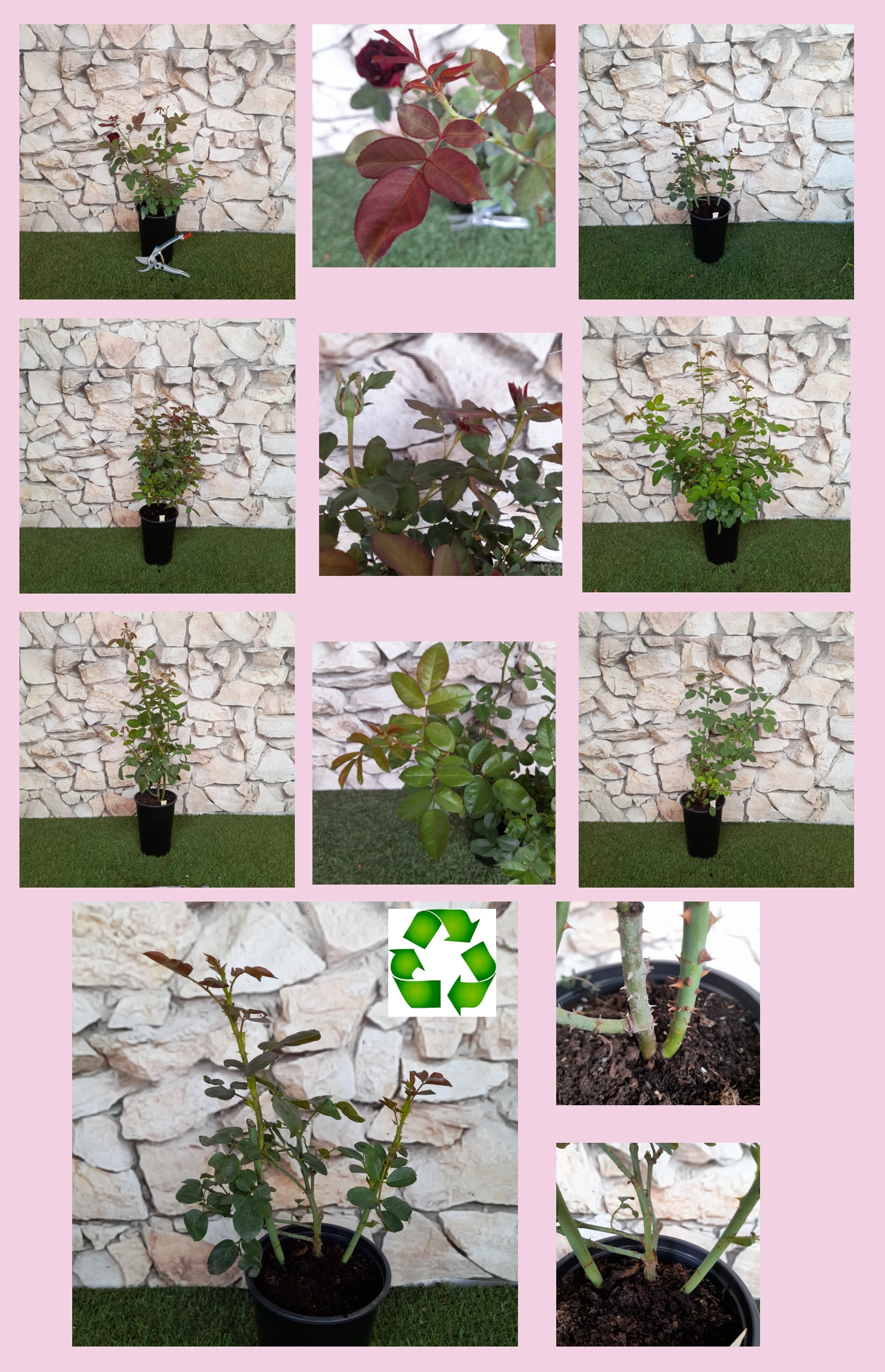
PETER-PAUL RUBENS – pink nostalgia rose
Imagine stepping out after rainfall into a subtly scented front garden where petals glisten and soft pink blooms echo period paintings; PETER-PAUL RUBENS is a romantic floribunda shrub bred for longevity, reliable flowering and quietly sustainable gardens. Its strongly perfumed, ball-shaped clusters bring classic cut-rose elegance to compact city plots, while own-root production supports long-term stability, recovery from setbacks and a calm, low-fuss style of care. Over successive seasons roots, then shoots, then full display mature into a stable feature that copes gracefully with blustery, rain-soaked conditions and heavier soils rainfall. In a London terrace, it slips naturally into “girly” pink schemes, aligning beauty with responsibility, efficient rainwater use and peat-free planting for modern, time-pressed households.
Usage options
| Target area | Reasoning |
|---|
| Rainwater-friendly front garden rose bed |
Well-suited to typical urban front gardens where you wish to replace hard standing with absorbent planting and still enjoy structured, romantic colour. Its upright habit and medium height create an elegant boundary line without overwhelming narrow spaces, while own-root durability helps it live and flower reliably for many years, even with occasional neglect from busy beginners. |
| Feature rose for small family gardens |
The floribunda shrub form builds into a dense, upright bush around 1 m tall, ideal as a single focal point near a path or seating area. Strong fragrance carries across compact spaces, giving maximum sensory impact from a modest footprint, while the own-root form supports a long-lived, regenerating plant structure appreciated by family homeowners. |
| Peat-free container on terrace or balcony |
Its medium size and upright growth habit make it a strong choice for large containers of 40–50 litres, filled with quality peat-free compost and watered with collected rain where possible. In pots it offers repeat flushes of nostalgic blooms with minimal pruning, while the own-root system underpins long-term performance for sustainability-minded gardeners. |
| Cut-flower corner for scented bouquets |
Ball-shaped, very double blooms with over 40 petals and a powerful classic rose fragrance are excellent for cutting, especially when grown in a small dedicated row or corner bed. Repeat flowering ensures a steady supply through summer, and sturdy stems carry the clusters well, rewarding patient tending by home florists. |
| Romantic mixed border with perennials |
This cultivar’s soft pink and peach tones blend harmoniously with airy perennials such as nepeta, lavender, or low-growing asters, creating a layered, cottage-style look. Reliable repeat flowering gives structure between perennial peaks, and own-root resilience maintains the composition over years for design-conscious owners. |
| Part-shade side return or courtyard |
Its suitability for partial shade means it can flower respectably where buildings cast shade for part of the day, such as side returns or enclosed courtyards. In these spots the strong fragrance is trapped and intensified, while own-root toughness offers steady performance despite slightly less-than-ideal sun for urban householders. |
| Heat- and cold-resilient backbone planting |
With winter hardiness down to approximately –25 °C and good tolerance of summer heat when watered in prolonged dry spells, it suits many UK regions facing weather swings. This climate resilience, together with own-root strength, helps maintain a stable ornamental presence despite wind, heavy rain and variable seasons for climate-aware buyers. |
| Low-fuss, long-horizon planting scheme |
Ideal where you prefer simple routines: annual light pruning, occasional deadheading and basic disease monitoring usually suffice for a rewarding show. Once established, its root system and shrub framework give a dependable display year after year, offering a calm, low-effort anchor plant within thoughtful, long-term designs for time-poor gardeners. |
Styling ideas
- Painterly Path – Line a narrow front path with two or three shrubs, underplanted with soft nepeta to echo old-master colour harmonies – for lovers of quietly romantic entrances.
- Balcony Bouquet – Grow a single plant in a 50-litre pot with trailing thyme and dwarf lavender for perfume and pollinator interest – for small-space city dwellers.
- Girly Border – Combine with pale lupins and white Lychnis for a pink-and-cream “dressy” border that still copes with wet, windy days – for style-focused terrace owners.
- Cutting Nook – Plant a short row beside a shed or fence, mixing in sage and cosmos to provide filler stems alongside richly scented blooms – for home bouquet enthusiasts.
- Calm Corner – Place a solitary shrub by a bench with low grasses and soft asters to create a long-lived, low-maintenance retreat – for gardeners seeking restful permanence.
Technical cultivar profile
| Characteristic | Data |
|---|
| Name and registration |
Floribunda–shrub nostalgia rose from the Romantic Rose collection; registered as VISpeparu, marketed as PETER-PAUL RUBENS, also listed with the American Rose Society under the same exhibition name. |
| Origin and breeding |
Bred in Belgium by Martin Vissers (Rosabelgica) from ‘Lucetta’ × ‘Golden Celebration’; bred and registered in 2002, commercial introduction 2008, representing a modern, painter-inspired romantic garden rose. |
| Awards and recognition |
Awarded “Most Fragrant Rose for Ladies” at Hradec Králové in 2010, confirming its particular strength in strong classic scent and reinforcing its suitability for fragrance-focused home gardens. |
| Growth and structural characteristics |
Medium, upright shrub around 85–115 cm high and 75–105 cm wide with dense, slightly glossy mid-green foliage and moderate prickles; forms a well-filled, balanced bush in beds or larger containers. |
| Flower morphology |
Very double ball to pompon-shaped clusters, typically 1–5 blooms per stem, each medium-sized with more than 40 petals; remontant flowering pattern with an abundant second flush in suitable conditions. |
| Colour data and phenology |
Soft pink blooms with peach-toned inner petals; buds show pale pink and peach-cream, opening to richer centres that gradually lighten, yet overall colour retention on the plant is rated excellent before eventual fading. |
| Fragrance and aroma |
Very strong, classic rose fragrance, noticeable from a distance in still air; ideal for scented paths, seating areas and cutting gardens where perfume is a primary design goal throughout the flowering season. |
| Hip characteristics |
Rose-hip set is generally limited, though occasional small spherical red hips 10–14 mm in diameter may appear; primarily grown as an ornamental flowering rose rather than for decorative fruit displays. |
| Resistance and winter hardiness |
Hardy to approximately –26 to –23 °C (RHS H7, USDA 5b, Swedish Zone 4); disease resistance is moderate, so periodic monitoring and timely, responsible plant protection may be needed in humid summers. |
| Horticultural recommendations |
Suited to beds, hedging and larger containers, spaced 55–100 cm apart; prefers sunny or light partial shade, good soil preparation and mulching, with best results from regular deadheading and balanced feeding. |
PETER-PAUL RUBENS offers richly scented nostalgic blooms, container versatility and long-lived own-root resilience, making it a thoughtful choice for those planning a graceful, enduring rose feature.