PERENNIAL BLUE™ – purple climbing rambler rose - Mehring
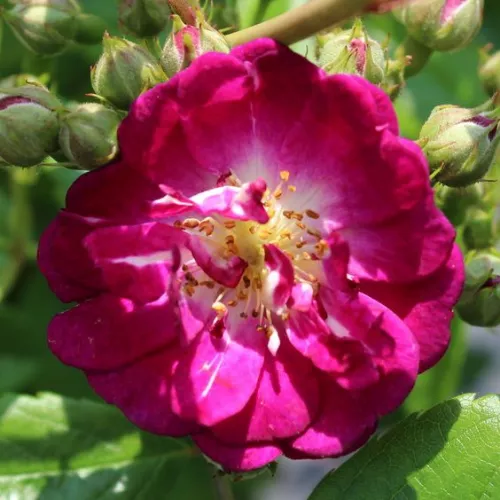
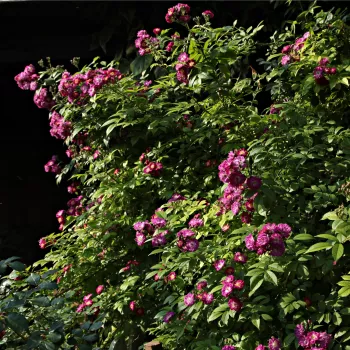
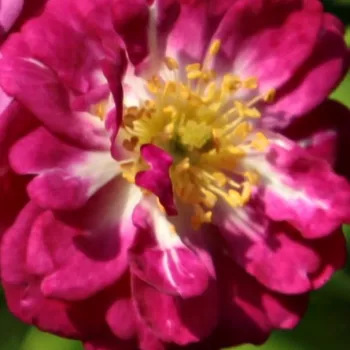
Imagine your front garden arch washed in post-rain scent as Perennial Blue threads through railings and over porch canopies, creating a soft, romantic veil of small purple clusters that keep returning from early summer into autumn while coping calmly with blustery showers and heavy clouds in typical British weather. This own-root climber establishes steadily, putting energy into roots first, then strong shoots, and finally generous flowering for dependable long-term structure and sustainable colour. Its semi-double, mauve-purple blooms with a silvery sheen give a subtly vintage look that works beautifully in compact, rainwater-conscious London front gardens and narrow side yards, asking only modest care from busy beginners.
Usage options
| Target area | Reasoning |
|---|
| Terraced-house front garden arch |
Trains easily over a simple metal or timber arch, giving a long season of mauve-purple flower clusters in a narrow footprint without demanding complex pruning, ideal for time-poor city gardeners and relaxed beginners. |
| Rainwater-friendly railings and fences |
Suited to vertical planting above permeable gravel or planting strips, it accepts typical British rain and wind without collapsing, helping you green hard boundaries while working well for eco-aware urban homeowners. |
| Small pergola beside patio |
Creates a light, flowery canopy without excessive weight, its medium vigour and manageable thorns making it practical for seating areas where families need charm with straightforward upkeep for busy families. |
| North-east or part-shaded walls |
Tolerates partial shade, so it will still flower on less-than-ideal aspects where many climbers sulk, giving reliable coverage and colour for those with overshadowed plots and constrained urban spaces. |
| Pollinator-supporting mixed border backdrop |
Semi-double blooms offer moderate pollen access, and when combined with lavender, nepeta or sage, it becomes part of a continuous nectar corridor, appealing to nature-conscious city gardeners. |
| Large containers on balconies or patios |
Can be grown in a substantial 40–50 litre or larger container with a trellis, where own-root resilience supports long life and regeneration, suiting renters and long-term planners among urban growers. |
| Low-maintenance cottage-style front garden |
Once established, needs only medium maintenance and occasional disease checks, while own-root stamina supports a long-lived planting that quietly matures with your home, reassuring cautious new gardeners. |
| Coastal or exposed suburban plots |
Handles unsettled, showery conditions and cool, breezy spells typical of many UK sites, making it a dependable climbing accent for those gardening in wind-prone or changeable-weather areas. |
Styling ideas
- Front-Door Halo – Train PERENNIAL BLUE™ over a slim arch framing the doorway, underplant with soft lavender and nepeta for bees and scent – ideal for style-conscious terraced-house owners.
- Pastel Pergola – Let its mauve-purple clusters mingle with pale pink climbers over a small pergola, anchoring pots of sage and alliums beneath – perfect for relaxed family seating areas.
- Rain-Garden Railing – Combine this rambler along front railings with gravel mulch, marigolds and drought-tolerant perennials to make a permeable, rainwater-smart frontage – suited to eco-minded urban gardeners.
- Balcony Screen – Grow it in a 50 litre container with an obelisk, paired with chives and compact grasses, to soften overlooking views – great for balcony and roof-terrace dwellers.
- Romantic Side-Passage – Guide stems along wires on a narrow side path wall, adding cypress spurge and shade-tolerant groundcovers below – ideal for maximising colour in tight, overlooked spaces.
Technical cultivar profile
| Characteristic | Data |
|---|
| Name and registration |
Rambler and large-flowered climbing rose; registered as Mehv9601, traded as PERENNIAL BLUE™ and Perennial Blue; exhibition category rambler and climbing rose for specialist and garden use. |
| Origin and breeding |
Bred by Bernard F. Mehring in the United Kingdom from Super Excelsa × Veilchenblau; introduced commercially by Eurosa (Germany) in 2003 for garden and show cultivation across temperate regions. |
| Awards and recognition |
Holds ADR certification in Germany (2013) for overall performance, plus Baden-Baden Silver Medal (2006) and first prize at Baden bei Wien (2014), underlining its ornamental value and garden reliability. |
| Growth and structural characteristics |
Climbing habit reaching about 240–380 cm in height with 150–260 cm spread; moderately thorny stems carry mid-green, slightly glossy foliage of medium density, forming an airy yet effective vertical screen. |
| Flower morphology |
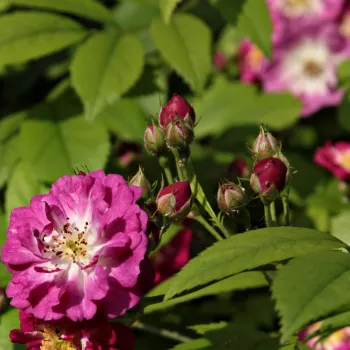
Semi-double, cup-shaped blooms with 13–25 petals borne in large clusters; small-flowered (around 0.5–1.5 inches) but produced abundantly in flushes, with a strong initial wave followed by good repeat flowering. |
| Colour data and phenology |
Mid-saturated crimson-purple with silvery bloom and bluish tinge in cool weather; buds open vivid mauve-purple then soften to greyish lilac, colour holding best in milder conditions and fading in strong sun. |
| Fragrance and aroma |
Fragrance is very light and often barely noticeable, described as fresh and faintly fruity on warm still days; chosen more for distinctive colour and flower form than for strong scent in most garden settings. |
| Hip characteristics |
Produces moderate numbers of small, spherical red hips about 6–10 mm across, adding discreet autumn interest and potential wildlife value without creating heavy mess on paths or seating areas. |
| Resistance and winter hardiness |
Rated to approximately −21 to −18 °C (RHS H7, Swedish zone 3, USDA 6b); disease resistance medium to powdery mildew, black spot and rust, benefits from good air circulation and routine monitoring. |
| Horticultural recommendations |
Best on arches, pergolas, fences or walls at 190–300 cm spacing; accepts partial shade and typical UK rainfall; prefers well-drained soil with regular watering in dry spells and balanced spring feeding. |
PERENNIAL BLUE™ offers long-season purple clusters, reliable coverage in modest spaces and resilient own-root growth that matures gracefully over years, making it a thoughtful choice for sustainable family gardens.