PAUL BOCUSE™ – apricot nostalgia rose
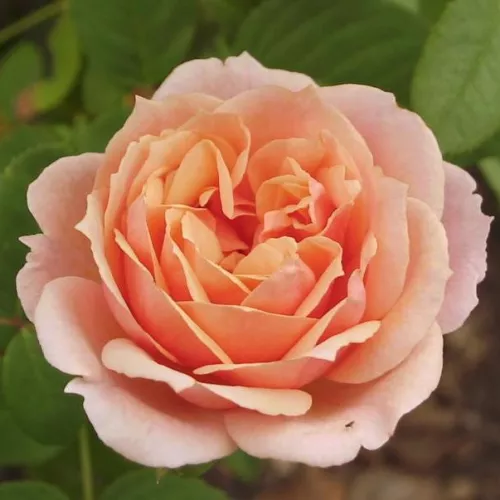
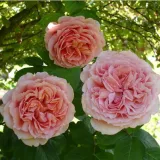
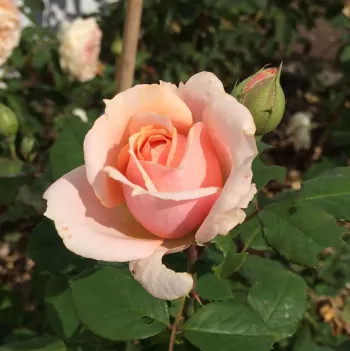
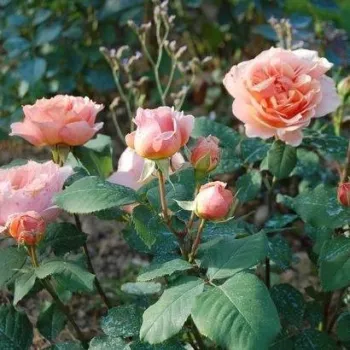
With its richly scented, apricot-peach blooms and nostalgic charm, PAUL BOCUSE™ brings a sense of balance to compact London front gardens and relaxed family borders. This own-root shrub rose settles steadily into the garden, rewarding you with generous repeat flowering from early summer onwards, while coping reliably with cool, damp spells and blustery weather that often challenge urban plots near the coast. Large, cupped clusters create a romantic pathway effect beside railings, low hedges or shared drives, and the strong, fruity-muscat fragrance lingers deliciously after rain. The flowers are double yet open-centred, so visiting bees still find pollinators welcome, and the balanced stature suits mixed planting with herbs and perennials for a soft, cottage-style texture. Peat-free compost and collected rainwater from downpipes help this variety establish cleanly on heavy clay or chalk, and as an own-root rose it builds long-term resilience, quietly regenerating from its base and maintaining stable ornamental value over many years. In its first year it concentrates on roots, in the second on strong new shoots, and by the third year it reaches full flowering impact, giving you a sustainable, easy-care focal point with genuine period character.
Usage options
| Target area | Reasoning |
|---|
| Front garden focal shrub |
The upright, medium-tall habit and large, cupped peach blooms create an immediate focal point beside a front door or bay window, adding nostalgic charm without overwhelming a small space; ideal for the time-pressed homeowner. |
| Cutting for indoor fragrance |
Long stems with cluster-flowered, double blooms and a strong fruity-muscat scent make this variety excellent for cutting, so you can enjoy its colour and perfume indoors as well as in the garden; especially pleasing for the fragrance-loving beginner. |
| Low, romantic hedge |
Planted at the recommended spacing, its dense foliage and repeat-flowering clusters form a soft, romantic boundary that looks good for years, helped by the stable, regenerating habit of an own-root shrub; reassuring for the long-term minded gardener. |
| Pollinator-friendly mixed border |
Although fully double, the open-centred flowers leave stamens accessible, attracting bees and other insects, so it slips neatly into wildlife-friendly borders without sacrificing showy, nostalgia-style blooms for the eco-aware city-dweller. |
| Rainwater-wise urban planting |
Well suited to typical British conditions where summer showers and breezy spells are frequent, it partners easily with permeable surfaces and rainwater butts, supporting gardens designed to handle wet, windy weather for the sustainability-focused planner. |
| Heat-tolerant family garden rose |
Good heat tolerance means flowers hold colour and shape in warm spells, provided you water during extended droughts, giving reliable summer performance even in sunnier, south-facing plots for the busy family. |
| Own-root longevity in small gardens |
As an own-root shrub it does not rely on a graft, so if stems are damaged it can regrow from its own base, preserving shape, colour and character over many seasons, a practical plus for the space-conscious owner. |
| Large container on terrace or balcony |
In a 40–50 litre or larger pot with peat-free compost and regular watering, its upright growth and generous clusters give a vertical accent on patios or balconies where border space is limited, suiting the style-aware urbanite. |
Styling ideas
- Nostalgic welcome – Line a short front path with PAUL BOCUSE™ and lavender for a cottage-style, scented entrance – perfect for terrace-house residents wanting romance in a small space.
- Soft sunset – Pair its warm peach blooms with blue nepeta and silvery sage in a free-draining strip by the pavement – ideal for urban gardeners aiming for low-key, sustainable colour.
- Chef’s corner – Plant near a small herb bed of thyme and rosemary so cut blooms and herbs can be gathered together for the kitchen – suited to food lovers who also enjoy relaxed gardening.
- Pastel screen – Use as a loose hedge with cranesbill geraniums at the base to soften railings or bin areas – helpful for families wanting beauty as well as practical screening.
- Balcony feature – Grow a single shrub in a large container with trailing Delosperma for contrast and excellent drainage – a good choice for renters seeking movable, long-lived structure.
Technical cultivar profile
| Property | Data |
|---|
| Name and registration |
Générosa® nostalgia shrub rose; registered as MASpaujeu and marketed as PAUL BOCUSE™. Part of the Romantic rose group, suitable for exhibition as both shrub and cut flower. |
| Origin and breeding |
Bred by Dominique Massad for Roseraies Pierre Guillot, France, from (unknown seedling × ‘Graham Thomas’) × ‘Davidoff’; introduced and registered in 1997 after selection in 1992. |
| Growth and structural characteristics |
Upright shrub 120–180 cm tall and 90–150 cm wide, with dense mid-green, slightly glossy foliage and moderate prickles; weak self-cleaning, so spent blooms benefit from regular deadheading. |
| Flower morphology |
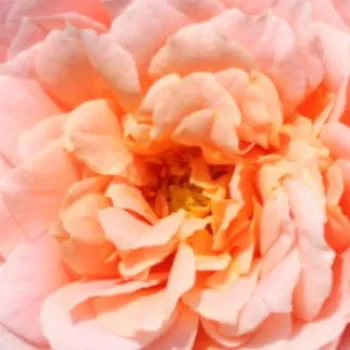
Large, double, cup-shaped blooms with 26–39 petals are borne mainly in clusters. Remontant, offering a generous second flush after the main early-summer display when well maintained. |
| Colour data and phenology |
Warm peach with soft orange undertone, opening from rich orange-peach buds; tones shift through peach-pink to pale pastel apricot, with stronger fading in intense sun yet generally good colour retention. |
| Fragrance and aroma |
Notably strong, complex scent with a fruity-muscatel character that is evident on warm, still days and after rain, making it appealing for planting near seating areas or doors where fragrance is appreciated. |
| Hip characteristics |
Rose hips form sparsely; occasional small, ovoid, orange-red hips 10–15 mm across may appear, but ornamental effect is modest and usually secondary to the long flowering period. |
| Resistance and winter hardiness |
Hardy to around –26 to –23 °C (RHS H7, USDA 5b); good heat tolerance with watering in drought. Disease resistance medium overall, with good black spot resistance but only medium response to mildew and rust. |
| Horticultural recommendations |
Best in sunny sites with fertile, well-drained soil; mass planting at 0.9–1.0 plants/m², hedging at about 95 cm, specimen at 180 cm spacing. Protect from spring frost and deadhead for tidier, longer flowering. |
PAUL BOCUSE™ offers nostalgic, strongly scented peach blooms, good heat tolerance and long-term, regenerating performance as an own-root shrub rose, making it a thoughtful choice for enduring, low-fuss beauty in your garden.