ORANGE DAWN – orange climbing rose – Warner
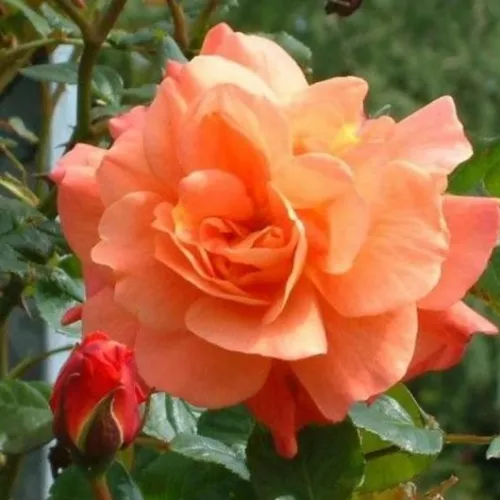
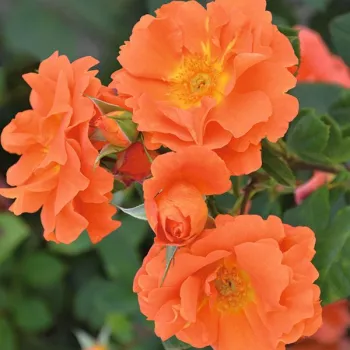
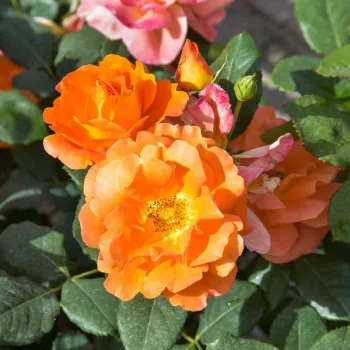
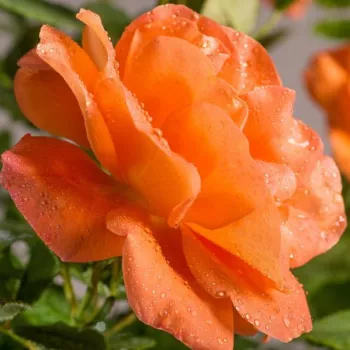
Bring a sense of calm drama to a small London front garden with ORANGE DAWN, a reliable own‑root climbing rose that clothes arches, railings and walls in warm orange bloom while coping steadily with rain-splashed pavements and changeable urban weather. Its double, cupped clusters repeat flower generously from early summer, offering a gentle citrus fragrance that feels fresh after a shower. As an own-root rose it is bred for long lifespan, quietly thickening into a resilient structure rather than demanding heavy pruning, and it settles in predictably: first year rooting, second year framework, third year full impact. Medium maintenance needs suit busy families who want a graceful climber without intricate training, and its mid-green, slightly glossy foliage partners beautifully with low-input shrubs and evergreen structure in a rainwater-aware, sustainable garden.
Usage options
| Target area |
Reasoning |
| Front-garden rose arch over a terraced-house path |
Ideal height and spread to frame a narrow path with repeat flowering orange clusters, creating a welcoming entrance that stays attractive for many years thanks to its own-root stamina and gradual, reliable build-up of flowering wood, suiting the busy urban gardener |
| Rainwater-conscious pergola in a small city garden |
Trains readily along a light pergola, enjoying the extra air movement while tolerating showery spells and breezy conditions common in exposed British plots, making it a thoughtful choice where paving, downpipes and planting beds share rainfall for the sustainability-minded homeowner |
| Clothed fence or railing for added privacy |
Medium vigour and moderate thorniness help it knit into a semi-screen along fences without becoming unmanageable, providing a long-lived, low-footprint vertical feature that softens hard boundaries yet needs only occasional guiding and seasonal trimming for the low-maintenance seeker |
| Warm-toned feature against brick or rendered walls |
The clear orange blooms glow particularly well against pale or weathered brick, and the slightly glossy mid-green foliage remains neat through the season, keeping structure even between flushes so the wall reads as designed rather than bare, reassuring the design-conscious beginner |
| Espaliered climber on a modest support system |
Flexible canes and a manageable ultimate height allow simple fan-training on wires, building a permanent flowering framework that reshoots from the base if pruned back, a dependable advantage of own-root plants appreciated by the long-term planner |
| Part-shaded side return or alleyway |
Performs well with several hours of bright, indirect light, so it can lighten a side passage where full sun is limited, with orange blooms and citrus-skin scent enlivening a often-overlooked space without demanding complex care from the time-poor resident |
| Large container on balcony or paved courtyard |
Can be grown in a substantial 40–50 litre pot with a slim obelisk or trellis, where its moderate growth habit and repeat flowering provide vertical colour on hard landscaping, while the own-root system offers better long-term resilience in containers for the space-conscious gardener |
| Cut flower source from a compact home climber |
Produces large, double, cupped blooms on cluster stems that can be cut for vases, bringing soft orange tones and a mild citrus character indoors, without sacrificing the plant’s garden performance or long-term framework, which appeals to the home flower arranger |
Styling ideas
- Terrace-arch welcome – Train ORANGE DAWN over a slim metal arch and underplant with lavender to echo its warm orange with cool purple, giving a gentle, low-care welcome for the front path – ideal for the style-aware but time-limited homeowner
- Soft-urban pergola – Combine this climber on a light timber pergola with drought-tolerant sage and nepeta in gravel mulch, letting orange blooms hover above a silvery, pollinator-rich understorey – suited to sustainability-focused city gardeners
- Brick-and-orange harmony – Fan-train against sun-warmed brick with clipped dwarf box edging, creating a formal yet forgiving structure where the rose offers long-lived colour and the box provides year-round outline – perfect for organised planners
- Citrus-courtyard pot – Grow in a 50 litre clay container with a slender obelisk, pairing with thyme and low herbs around the rim for a scented, easy-care courtyard focal point – aimed at balcony and patio gardeners
- Calm-side return – Use along a narrow side path with bupleurum and soft grasses, letting the orange flowers and mid-green foliage brighten a shaded cut-through without crowding the walkway – ideal for owners of compact terraced plots
Technical cultivar profile
| Parameter |
Data |
| Name and registration |
Climbing rose group; registered as CHEworangedawn, marketed as ORANGE DAWN – orange climbing rose – Warner; large-flowered climber for garden use on arches, pergolas and walls. |
| Origin and breeding |
Bred by Christopher H. Warner (United Kingdom) from ‘Dawn Chorus’ × unknown seedling; bred 2006, registered 2006, introduced 2007 through Rosen-Union e.G. for European garden markets. |
| Awards and recognition |
Recognised at New Zealand Rose Trials with a Certificate of Merit in 2006 and awarded Best Climber at the Hamilton trials in 2011, confirming good ornamental value and garden performance. |
| Growth and structural characteristics |
Large-flowered climbing rose reaching about 200–300 cm high and 120–200 cm wide, with moderately dense, mid-green, slightly glossy foliage and moderate thorniness; suitable for training on supports. |
| Flower morphology |
Large, double, cupped blooms with approximately 26–39 petals, borne mainly in clusters; remontant with an abundant second flush, giving a long flowering window in typical garden conditions. |
| Colour data and phenology |
Clear, vivid orange overall (ARS OB; RHS 34A outer, 31B inner), buds deep orange with reddish tint, opening to bright orange and softening slightly in strong sun while retaining a warm-toned glow. |
| Fragrance and aroma |
Mild, subtle scent with an orange peel, citrus character; noticeable at close range rather than at a distance, adding freshness along paths and seating areas without becoming overwhelming. |
| Hip characteristics |
Rose-hip formation is usually sparse due to the double flowers; occasional small, spherical orange-red hips, around 8–12 mm in diameter, may appear towards the end of the season. |
| Resistance and winter hardiness |
Rated H7 and hardy to about −26 to −23 °C (USDA 5b; Swedish zone 4); disease resistance to black spot, mildew and rust is medium, needing basic monitoring and timely, occasional plant protection. |
| Horticultural recommendations |
Best on arches, pergolas, walls and espaliers, or as a specimen climber; medium maintenance with simple pruning, spacing 140–250 cm depending on use, and suitable for partial shade or full sun. |
ORANGE DAWN Climbing rose CHEworangedawn offers long-lived, repeat orange flowering on a manageable climber with resilient own-root growth; a considered choice if you would like enduring colour and structure with modest care.