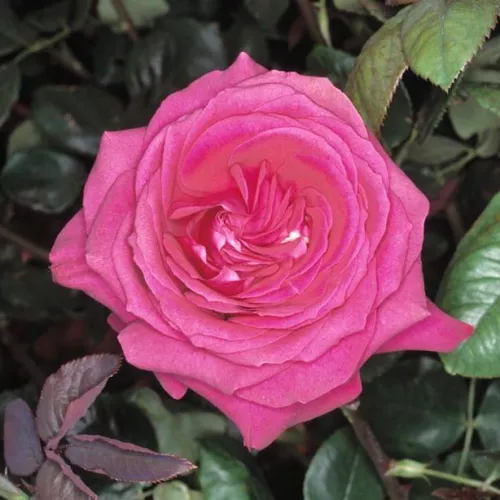
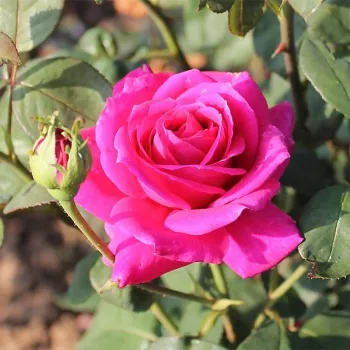
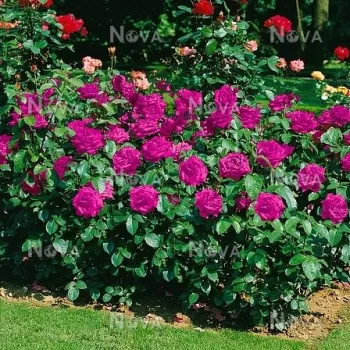
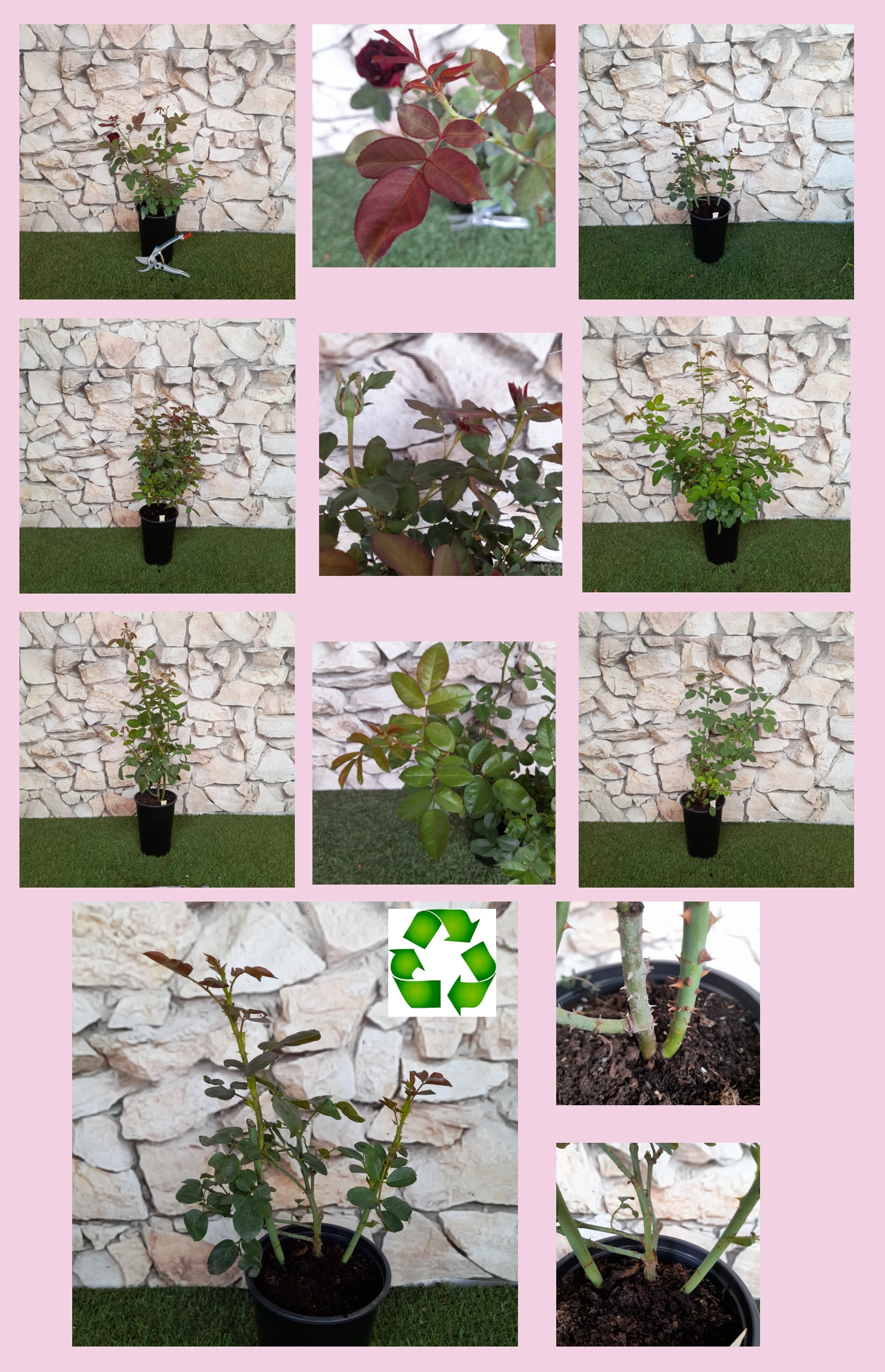
NEPTUNE – mauve-lilac hybrid tea rose – Tom Carruth
Bring an air of cool post‑rain elegance to a small London front garden with NEPTUNE, an own‑root hybrid tea rose that offers strong fragrance, repeat flowering and reassuring resilience even in wetter, fungus‑prone seasons along the coast. Large, high‑centred blooms in a refined mauve‑lilac shade hold their colour well, so beds and containers stay visually balanced rather than washed‑out after summer showers. NEPTUNE’s bushy, upright habit, glossy dark leaves and excellent disease resistance keep maintenance to a comfortable minimum, while own‑root toughness supports a long lifespan and easy regeneration. With patient planting and care, you can look forward to roots settling in the first year, stronger shoots in the second, and full ornamental impact by around the third – a calm, sustainable choice for busy urban gardeners.
Usage options
| Target area |
Reasoning |
| Feature rose in a small front garden bed |
NEPTUNE’s large, exhibition-style lavender blooms create an immediate focal point beside a path or bay window, while its neat, upright growth keeps the planting looking ordered rather than overgrown – ideal for a tidy, showpiece entrance for the homeowner |
| Rainwater-conscious city planting near a downpipe |
With robust disease resistance, this rose copes well where paving directs extra rainwater into a narrow border, so you can divert run‑off into a planting strip without worrying about constant spraying – practical for the sustainability‑minded gardener |
| Statement container on a balcony or terrace |
Grown in a 40–50 litre pot of peat‑free compost, NEPTUNE’s compact, bushy habit and repeat flowers deliver a long season of colour and scent without constant fuss, perfectly suiting time‑poor urban dwellers seeking high impact in limited space for the beginner |
| Low‑effort family garden rose border |
Very good resistance to black spot, mildew and rust, together with moderate drought tolerance, means there is less need for spraying and emergency watering, so borders stay attractive even through busy school weeks for the family |
| Pollinator‑friendly mixed bed with perennials |
Although its blooms are fully double, the strong scent and showy colour still draw in bees and butterflies, especially when combined with nectar‑rich partners like lavender and nepeta, helping to support urban wildlife for the eco‑aware buyer |
| Long‑term structural planting in a compact garden |
As an own‑root bush, NEPTUNE ages gracefully, regrowing from its own base if stems are damaged and avoiding the unpredictability of grafted suckers, so the look of your border remains stable year after year for the long‑range‑planning owner |
| Scented seating area beside a path |
The rich, sweet rose‑citrus perfume is strongest near head height, making this variety ideal beside a bench or narrow path where you can brush past the blooms and enjoy repeated waves of fragrance through the season for the relaxation‑seeking visitor |
| Colour‑reliable rose bed in sunny or exposed spots |
Fade‑resistant petals keep their lavender‑mauve clarity with only gentle lightening, so even in bright sun or coastal light the flowers do not quickly wash out, maintaining a consistent, sophisticated palette in the garden for the design‑conscious client |
Styling ideas
- Mauve-entrance – Plant NEPTUNE as a single statement bush flanked by low lavender hedging to echo its cool tones, creating a calm, balanced welcome – ideal for style‑focused front‑garden owners
- Balcony-bouquet – Grow one plant in a generous 50‑litre container with trailing thyme and soft grasses beneath to soften the pot edge – perfect for busy city balcony gardeners
- Scented-path – Line a short path with spaced NEPTUNE bushes, underplanted with white alyssum to highlight the mauve blooms and maximise fragrance as you pass – suited to families who use the garden daily
- Pollinator-ribbon – Combine NEPTUNE with nepeta, sage and sedum in a narrow strip to catch rainwater, blending show roses with nectar plants – attractive for sustainability‑minded urban households
- Evening-focus – Place NEPTUNE opposite a seating area, backed by dark ceanothus foliage so the lilac flowers stand out at dusk – a good fit for those who unwind outdoors after work
Technical cultivar profile
| Parameter |
Data |
| Name and registration |
Hybrid tea rose, commercial type hybrid tea rose, registered as WEKhilpurnil and marketed as NEPTUNE – mauve-lilac hybrid tea rose – Tom Carruth, within the hybrid tea rose commercial group. |
| Origin and breeding |
Bred by Tom Carruth for Weeks Wholesale Rose Grower, Inc. in the United States from (‘Blueberry Hill’ × ‘Stephen’s Big Purple’) × ‘Blue Nile’, introduced from 2003 with later registrations in the USA and Australia. |
| Awards and recognition |
Honoured with the Rose Hills Gold Medal at the Rose Hills International Rose Trials in Whittier, California, recognising its garden performance and ornamental value among competitive trial plantings. |
| Growth and structural characteristics |
Bushy, upright bush with moderately dense, glossy dark green foliage and moderate prickliness; forms a clump-forming hybrid tea suitable for specimen use, bedding or structural planting in compact garden spaces. |
| Flower morphology |
Very large, high-centred, pointed-budded, exhibition-style double blooms with around 26–39 petals, typically borne in clusters of three to five per stem and remontant, providing an abundant second flush. |
| Colour data and phenology |
Lavender–mauve blooms with a smoky violet-lilac rim, ARS code MP, RHS 62C–62D; colour is described as fade-resistant, maintaining its cool tone in strong sunlight with only moderate lightening over time. |
| Fragrance and aroma |
Strongly and distinctly scented hybrid tea with a rich, slightly sweet, rose-citrus fragrance and mild fruity notes, offering a classic perfumed effect around seating areas, paths and frequently used garden spaces. |
| Hip characteristics |
Small hips of approximately 5–10 mm may form; ornamental value is limited and they are not a primary feature of this cultivar compared with its dominant large, showy, strongly scented blooms. |
| Resistance and winter hardiness |
Rated resistant to black spot, powdery mildew and rust, with USDA hardiness around zone 6b, RHS H6 and Swedish zone 3, tolerating moderate heat and drought when given regular watering in prolonged dry spells. |
| Horticultural recommendations |
Suited to beds, specimen planting, cut flower and containers; plant 65 cm apart in groups or 40 cm for hedging, prefers full sun but manages partial shade, with generally low–medium maintenance needs in typical gardens. |
NEPTUNE offers cool mauve-lilac glamour with strong fragrance, reliable repeat flowering and robust health in a long-lived own-root form; a thoughtful choice if you want durable beauty with modest effort.