NOTRE DAME DU ROSAIRE – peach-pink nostalgia rose - Massad
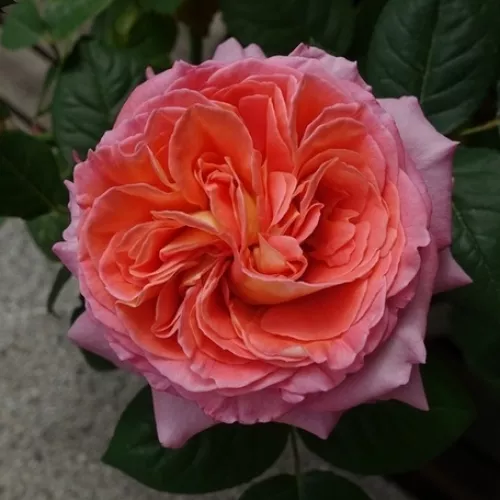
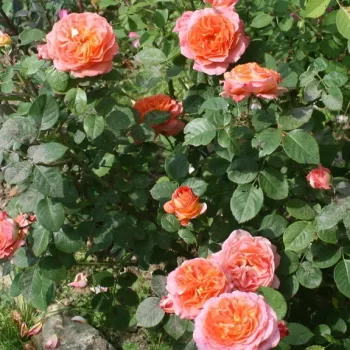
Step into a front garden that feels quietly devotional after rain: romantic clusters of peach-pink rosettes glow against healthy, mid-green leaves, creating a composed focal point even in compact, paved London plots. The blooms are richly fragrant, with a strong, fresh citrus character that drifts along the path and makes evening returns from work feel instantly calmer. As an own-root shrub it is naturally long-lived, regenerating from the base for stable shape and colour year after year with little intervention beyond simple pruning. The bushy, compact habit suits narrow beds, rail-side borders and larger containers of at least 40–50 litres, helping you keep planting generous while still leaving room for bins, bikes and pushchairs. Its remontant flowering ensures waves of classic, very double blooms through summer, while the glossy foliage and dense branching read as quietly elegant structure outside flowering peaks. Gardeners coping with damp, breezy streets and changeable summers will appreciate how it partners well with permeable surfaces and free-draining planting pockets, supporting a more sustainable approach to rainwater in the front garden. Over time, expect the own-root plant to move from establishing its foundation in the first year, to fuller top growth in the second, and then to its characteristic abundant, nostalgic display from the third season onward.
Usage options
| Target area | Reasoning |
|---|
| Small London front garden border |
The bushy, compact habit fits shallow soil strips and narrow beds, giving you generous nostalgic blooms without dominating railings, paths or bins. Its strong scent makes the most of limited space for sensory impact, ideal for a busy homeowner. |
| Feature shrub by the front door |
Repeat-flowering rosettes provide a long season of colour where you pass daily, with the citrus fragrance greeting you on coming home. Own-root vigour supports a long-lived, reliable plant, suiting a time-poor but quality-conscious gardener. |
| Large container on balcony or paved terrace |
In a 40–50 litre or larger container, its controlled height and dense foliage create a tidy vertical accent and floral focus without overwhelming the space, making romantic rose growing feasible for a small-scale urban balcony-owner. |
| Mixed border with perennials |
The warm peach-pink flowers blend beautifully with cool blues and mauves, while the shrub structure adds backbone amongst perennials such as lavender or nepeta, supporting an informal, textural scheme for a relaxed planting enthusiast. |
| Cutting patch or cutting-friendly corner |
Large, very double rosettes on bushy stems offer classic nostalgia-style stems for vases, allowing you to harvest strongly scented blooms for the house while the plant refills with repeat flushes, suiting a home-decoration-focused user. |
| Rainwater-conscious front garden design |
Works well with permeable surfacing and free-draining pockets in plots that see frequent showers and blustery conditions, pairing nicely with drought-tolerant companions at the edges, appealing to a climate-aware urban planner. |
| Low, romantic hedge or edging |
Regular spacing produces a neat, fragrant line of rosettes and glossy foliage along paths or driveways, giving soft structure that reads well all year and matures reliably from its own roots, meeting the needs of a structure-loving designer. |
| Long-term focal point in family garden |
The own-root form supports regeneration from the base, helping the shrub maintain shape, flower production and ornamental value over many seasons with simple care, an appealing prospect for a forward-looking family buyer. |
Styling ideas
- Devotional doorway – Plant one on each side of a front step with low Calamintha grandiflora ‘Elfin Purple’ at the feet for a hazy understorey – suited to house-proud urban homeowners.
- Peach-parterre – Use three shrubs in a loose triangle within a small gravel garden, interplanted with dwarf Gypsophila paniculata for airy contrast – ideal for romantic-style beginners.
- Balcony-boudoir – Grow a single plant in a 50 litre container with trailing thyme and soft grasses for movement around the pot base – perfect for compact balcony gardeners.
- Front-hedge charm – Line a short path with evenly spaced shrubs and a backdrop of Ilex crenata balls for evergreen formality – attractive to those seeking orderly kerb appeal.
- Evening-scent corner – Combine with lavender, sage and nepeta in a sunny triangle near a bench to trap fragrance and create layered texture – appealing to fragrance-focused families.
Technical cultivar profile
| Characteristic | Data |
|---|
| Name and registration |
Notre Dame du Rosaire, Générosa collection shrub rose; registered as MASnoda, bred by Dominique Massad, also marketed under the romantic, nostalgia-style commercial name MASnoda. |
| Origin and breeding |
Bred by Guillot in France before 2009, introduced 2010; parentage unknown. A romantic shrub developed for nostalgic flower form and fragrance within the Générosa series of garden roses. |
| Growth and structural characteristics |
Compact, bushy shrub typically 65–95 cm tall and 50–70 cm wide, with dense, mid-green glossy foliage and moderate prickliness; forms a rounded outline suitable for borders and containers. |
| Flower morphology |
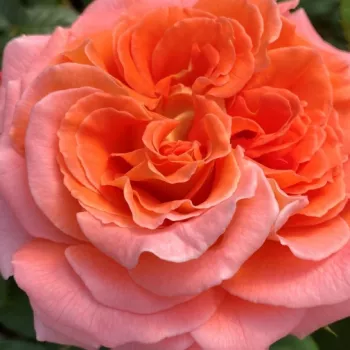
Large, very double rosette blooms, 40+ petals, borne mainly in clusters; remontant with generous second flush, giving classic, full heads suited to both garden display and cutting for the house. |
| Colour data and phenology |
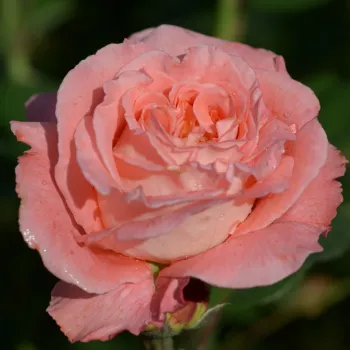
Warm peach-pink with creamy and beige transitions; buds open rich peach-pink, then lighten in strong sun to pale pink with peach undertone, maintaining a soft, nostalgic colour range as flowers age. |
| Fragrance and aroma |
Strong, fresh citrusy scent noticeable from a distance, especially effective near paths and seating; a key feature of the cultivar, adding sensory value to small gardens and evening-use spaces. |
| Hip characteristics |
Produces moderately abundant, small globular hips 8–12 mm across, orange-red when ripe, offering modest late-season ornamental interest once the main flowering period has passed. |
| Resistance and winter hardiness |
Hardy to approximately −21 to −18 °C (RHS H7, USDA 6b, Swedish zone 3); tolerates summer heat and moderate drought if watered in dry spells, but requires regular disease management in many gardens. |
| Horticultural recommendations |
Performs best in full sun with fertile, well-drained soil; plant 40–65 cm apart depending on use, in borders, as a specimen, in low hedges or 40–50+ litre containers; maintain with seasonal pruning and hygiene. |
Notre Dame du Rosaire offers compact, romantic blooms, strong citrus fragrance and long-term own-root reliability, making it a thoughtful choice for a front garden or balcony you intend to enjoy for many years to come.