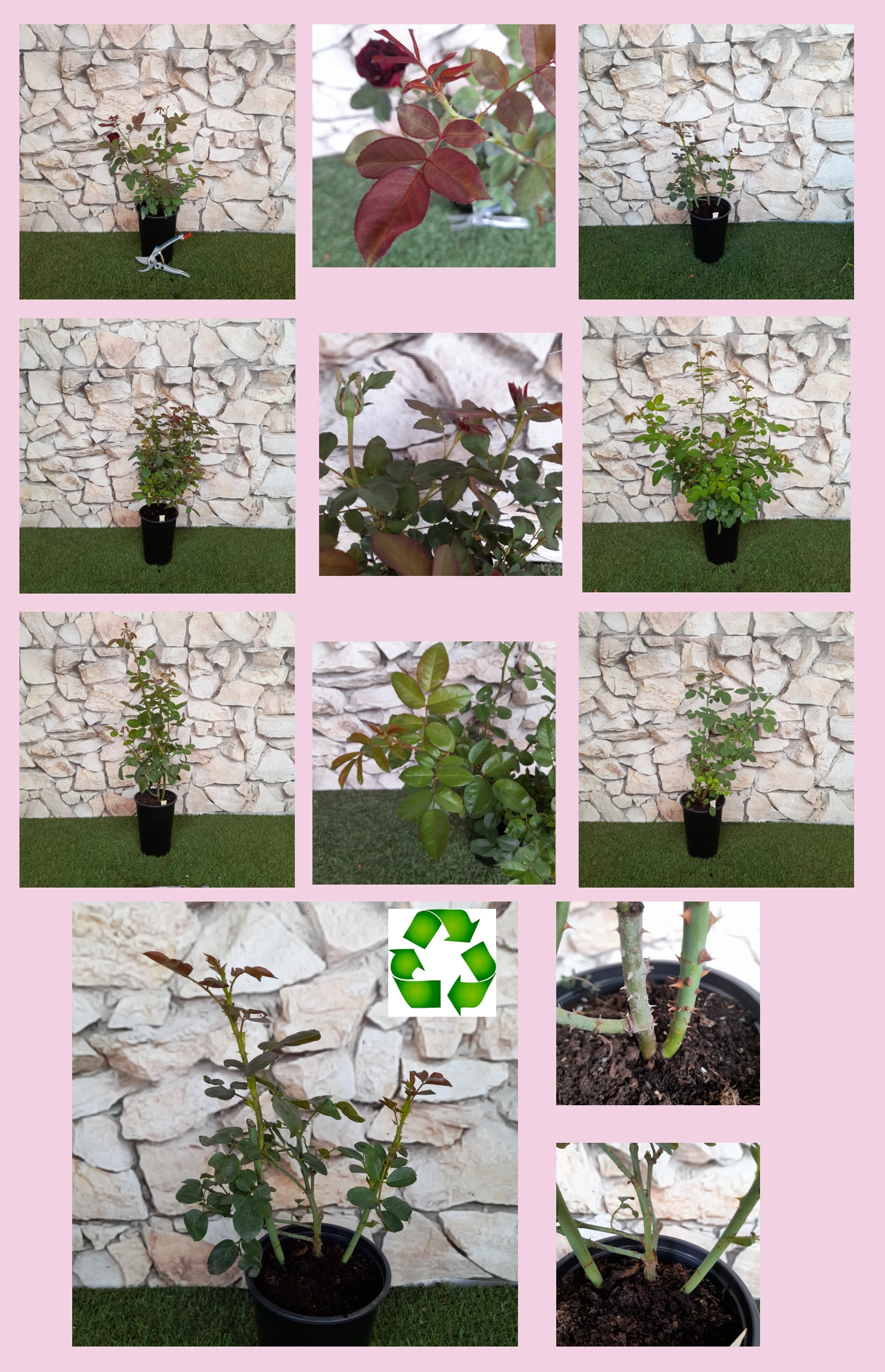
PERSIAN DAWN – pink-lilac climbing rose - Vissers
Step outside after rain and this rose helps your front garden feel instantly more balanced, its open, semi-double blooms catching the light in tones of pink-lilac around a dark eye that invite bees to gentle foraging. As an own-root climber it is bred for longevity, quietly thickening year on year rather than exhausting itself, so you can train it once and enjoy its structure for seasons to come. The creeping, flexible canes make it versatile for narrow London terraces, arches or a simple wire along the wall, coping well with breezy, showery weather and heavier soils where improved drainage is helpful in our changeable climate. Clusters of flowers repeat through summer, needing little more than occasional tying-in and very light shaping, with good self-cleaning to keep the display fresh for busy weeks when gardening has to wait. Its semi-double form and central eye support urban biodiversity as a softly pollinator-friendly choice, while own-root growth offers reassuring resilience and recovery after pruning or weather setbacks. Expect the plant to focus on roots in the first year, build confident new shoots in the second, and reach its full ornamental presence by the third.
Usage options
| Target area |
Reasoning |
| Narrow London terrace front garden |
Ideal for slim, awkward strips where space is tight but you still want vertical interest; the climbing, creeping habit lets you train it flat against railings or trellis with minimal pruning, a practical fit for the time-poor urban gardener. |
| Rainwater-friendly doorway or porch |
Works beautifully with a simple gutter-fed barrel, as the rose tolerates our showery, breezy conditions while appreciating consistent moisture around its roots, supporting a soft, sustainable entrance for the mindful city homeowner. |
| Pollinator-friendly family garden border |
The semi-double, eye-catching blooms offer easy-access pollen for bees while still looking decorative and “girly”, so children can enjoy the colour and insects together, suiting the nature-aware family gardener. |
| Low-maintenance trellis or fence greening |
Good self-cleaning means most spent blooms drop away on their own, reducing deadheading, while repeat flowering keeps colour returning, a combination that suits the busy, low-fuss home improver. |
| Long-lived feature on an own-root framework |
Sold on its own roots, this climber builds a durable framework that can regenerate from the base if cut back or wind-damaged, appealing to those who value investment planting and long-term structure, typically the patient planner. |
| Soft privacy screen on balcony or patio |
In a 40–50 litre or larger container with a slim trellis, it can be trained as a light, flowered screen without overwhelming the space, making a romantic backdrop for the style-conscious apartment dweller. |
| Naturalistic, sustainable front-garden scheme |
The informal clusters, medium foliage density and open-centred flowers sit well with grasses, catmint or sedums, creating a relaxed, rainwater-aware planting that fits the environmentally engaged town gardener. |
| Heat-exposed urban wall or south-facing aspect |
Good tolerance of heat and sun makes it reliable on warmer, reflective facades, provided it receives regular watering in dry spells, a realistic balance for the climate-conscious beginner. |
Styling ideas
- Soft-arch welcome – Train over a narrow metal arch by the front gate, weaving stems among Nepeta x faassenii for a pastel, bee-friendly entrance – ideal for romantic small-garden owners.
- Railings veil – Let canes trail and tie loosely along terrace railings, underplanted with low Sedum spurium to keep the base neat and drought-aware – suited to low-maintenance city dwellers.
- Pastel pocket – Combine with lavender or compact sage in a tiny front border, using gravel mulch for rainwater soak-away and minimal weeding – perfect for time-poor professionals.
- Cottage-modern mix – Pair it with English bluebeard and ornamental grasses against a brick wall, blending cottage charm with naturalistic texture – appealing to design-led urban gardeners.
- Balcony screen – Grow in a 50 litre planter with a slim trellis, underplanted with trailing herbs for scent and easy picking – great for balcony users who want privacy and pollinators.
Technical cultivar profile
| Characteristic |
Data |
| Name and registration |
Hybrid Hulthemia persica climbing rose; registered as VISeureye, marketed as Persian Dawn Climbing rose VISeureye, ornamental climber for garden use and landscaping projects. |
| Origin and breeding |
Bred by Martin Vissers in Belgium (2010); introduced and distributed by Viva International in 2016, representing modern Hulthemia-influenced breeding for distinctive central eye markings. |
| Awards and recognition |
Certificate of Excellence from Boskoop’s Royal Horticultural Society – Excellence Roses in 2025, highlighting its ornamental value and performance in independent trials. |
| Growth and structural characteristics |
Vigorous, creeping climber reaching about 250–400 cm high and 150–250 cm wide, with moderately dense, mid-green, slightly glossy foliage and a moderately thorny framework. |
| Flower morphology |
Semi-double, flat, cluster-flowered blooms with around 13–25 petals, size small yet borne in generous trusses; flowers repeat well, giving an abundant second flush in season. |
| Colour data and phenology |
Pink-lilac petals with a contrasting maroon to purple eye and golden stamens; colour softens rapidly to blush or near white with a mauve-lilac eye as blooms mature in summer. |
| Fragrance and aroma |
Subtle, mild fragrance with a light, unobtrusive aroma; not overpowering near doorways or seating, but adding a gentle rose character in still, warm conditions. |
| Hip characteristics |
Produces moderately abundant, small spherical hips, about 7–10 mm across, in warm orange-red tones, adding late-season colour and modest wildlife interest after flowering. |
| Resistance and winter hardiness |
Hardy to around -21 to -18 °C (RHS H7, USDA 6b, Swedish zone 3); good resistance to powdery mildew and black spot, medium susceptibility to rust; tolerates heat if watered. |
| Horticultural recommendations |
Best in full sun with well-drained soil; plant 140–220 cm apart depending on use, allow support for climbing, and water reliably in dry spells to maintain flowering and health. |
PERSIAN DAWN – pink-lilac climbing rose - Vissers offers repeat flowering, pollinator-friendly blooms and a durable own-root framework that rewards patient gardeners seeking a long-lived, low-fuss vertical accent; consider it where you want lasting gentle colour.