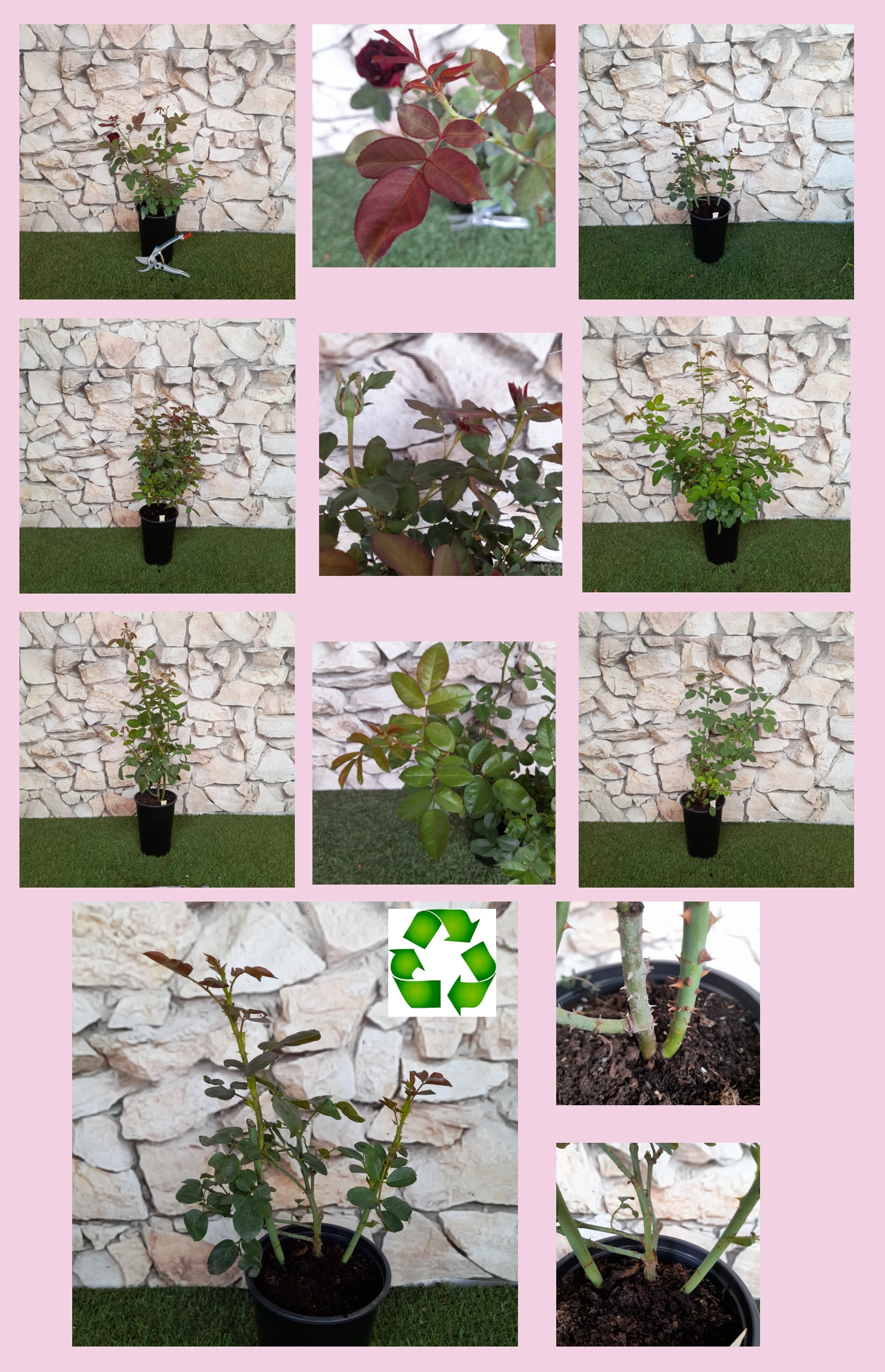
MUSHIMARA – red climbing rose
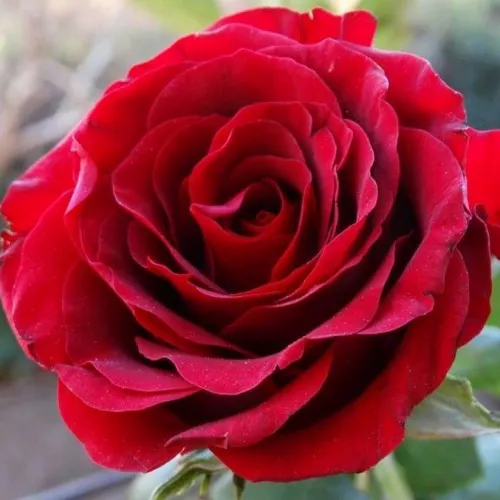
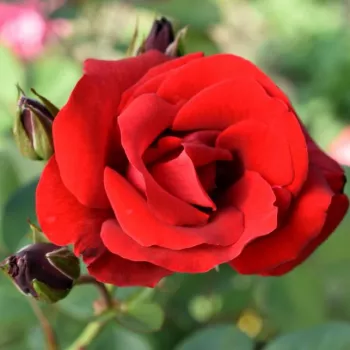
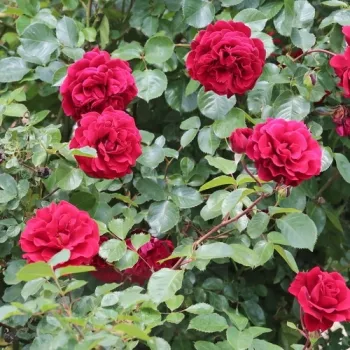
Bring vertical drama and long-lasting colour to a small London front garden or compact family plot with MUSHIMARA, a vigorous red climbing rose that thrives where fences, arches and façades need softening and structure. Its medium-height climbing habit is easy to train, while the dense, glossy foliage creates a generous green backdrop that feels naturally sustainable and helps a rain-aware garden cope better with blustery, wet weather and heavier soils. Semi-double crimson-red blooms appear in generous flushes, filling the air with a clearly noticeable, rosy fragrance that remains elegant rather than overpowering. As an own-root rose, it establishes steadily and is capable of long-term regrowth and renewal, giving you a reliable framework plant that matures year by year – roots consolidating in the first season, shoots building structure in the second, and full ornamental impact developing by the third – with maintenance kept to straightforward, occasional tasks.
Usage options
| Target area |
Reasoning |
| Front-garden climber for small terraced houses |
MUSHIMARA’s medium-vigorous climbing habit and dense dark foliage let you green up railings, short walls or modest porches without overwhelming the space, giving a sense of enclosure and privacy ideal for beginners and busy homeowners. |
| Long-season flowering backdrop |
The remontant habit provides abundant first flowering, followed by a strong second flush, so your vertical surfaces carry crimson-red blooms for much of the season with only basic pruning, suiting time-poor urban gardeners. |
| Rain‑aware, wind‑exposed sites |
Its flexible, climbing growth and dense, glossy foliage cope well where gardens face frequent showers and blustery conditions, helping soften hard boundaries in exposed front plots for city and coastal residents. |
| Fragrant seating and entrance areas |
The medium, clearly rosy scent is noticeable without being overpowering, ideal near benches, doorways or paths where you pass daily, adding a calming mood for fragrance‑appreciating visitors. |
| Own‑root, long‑lived structure plant |
As an own‑root climber, MUSHIMARA can regenerate from its base if stems are damaged, keeping the same flower and foliage quality for years, a reassuring choice for long‑term‑planning garden owners. |
| Low‑input family pergola or arch |
Its moderate disease resistance and manageable vigour mean occasional plant protection and a simple annual tidy are usually enough to keep arches, obelisks or light pergolas clothed, which suits relaxed family‑garden users. |
| Large container on balcony or paved front |
Planted in a 40–50 litre peat‑free container with good drainage, this climber offers height and colour where borders are scarce, making it practical for paved forecourts and balconies tended by space‑conscious city‑dwellers. |
| Colour‑reliable crimson accent |
The velvety dark red petals hold their tone well, with only slight brownish‑red shading as they age, so you can rely on a consistent deep crimson effect through each flush, helpful for design‑minded planting enthusiasts. |
Styling ideas
- Crimson Curtain – Train MUSHIMARA along black metal railings with lavender and nepeta at the base for a soft, fragrant contrast – ideal for style-conscious terrace-front gardeners.
- Porch Welcome – Arch it over a small doorway with pots of sage and thyme beneath for a scented, low‑care entrance – perfect for busy professionals arriving home late.
- Rainwise Screen – Let the climber clothe a slatted fence above a gravel strip with hardy ornamental grasses to diffuse wind and heavy showers – suited to exposed urban plots.
- Balcony Framework – Grow in a 50 litre container with a slim trellis and underplant with trailing ivy and violas – good for flat‑dwellers needing vertical greenery.
- Evening Retreat – Place a bench under a lightly covered pergola and combine this rose with catmint and alliums for relaxed after‑work fragrance – appealing to hobby gardeners seeking calm.
Technical cultivar profile
| Parameter |
Data |
| Name and registration |
Trade name MUSHIMARA – red climbing rose; ARS exhibition name Musimara®; large-flowered climbing rose group; commercial type climber; part of the Climbing rose collection. |
| Origin and breeding |
Parentage is unknown; breeding data indicate Dutch origin around 1993, with estimated introduction in 1985; initial distribution recorded via Rose.it in Italy; breeder not documented. |
| Growth and structural characteristics |
Climbing habit reaching about 330–500 cm in height with 140–260 cm spread; dense, glossy dark green foliage; moderately thorny canes suitable for training on supports and structures. |
| Flower morphology |
Semi-double, cup-shaped blooms with around 17–25 petals; medium-sized flowers typically 1.5–2.75 inches across; borne in clusters of one to three per stem; good repeat-flowering habit. |
| Colour data and phenology |
Deep crimson-red flowers with cool undertones; buds dark and velvety; colour holds well in bloom with minimal edge lightening, later shading subtly towards brownish-red before petals finally fade. |
| Fragrance and aroma |
Noticeable, medium-strength rosy fragrance with a pleasant classic character; scented enough for seating areas and entrances without becoming overwhelming in smaller, enclosed garden spaces. |
| Hip characteristics |
Rose hips form only occasionally; when present, they are small red ellipsoid fruits around 12–18 mm in diameter, adding minor late-season interest without significant seeding issues. |
| Resistance and winter hardiness |
Rated to approximately −21 to −18 °C (RHS H7, USDA 6b, Swedish zone 3); moderate resistance to black spot, mildew and rust, generally requiring only occasional protective treatments. |
| Horticultural recommendations |
Best used on fences, pergolas, trellises or trained into small trees; recommended spacing 180–300 cm depending on effect; plant in well-drained soil and support with regular tying-in of shoots. |
MUSHIMARA – red climbing rose offers reliable crimson colour, repeat flowering and a fragrant vertical screen on a long-lived, regenerating own-root framework; an excellent option if you would like a lasting, low-fuss garden feature.