MULLARD JUBILEE™ – pink hybrid tea rose – McGredy
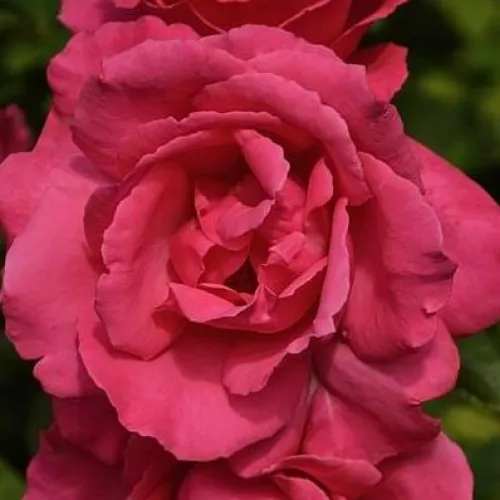
Step off the pavement and into a narrow front-garden path bordered by colour, where each tall, perfectly formed bloom of MULLARD JUBILEE™ rises on strong, upright stems like exhibition pieces against glossy dark foliage. This classic hybrid tea was bred for shows and vases, yet settles reliably into small London plots and chalky suburban beds, coping steadily with rainfall and breezier, exposed conditions in everyday family gardens. The strongly damask, spicy fragrance drifts long after showers, while its robust winter hardiness and dependable disease resistance support a long, low‑fuss lifespan on its own roots. In your first year it concentrates on roots, the second on building sturdy shoots, and by the third it reveals its full ornamental presence along your path.
Usage options
| Target area |
Reasoning |
| Feature rose for a London terraced-house front garden |
The tall, upright habit and high-centred, florist-style blooms give strong vertical structure in a narrow plot, while the vivid deep pink stands out against brickwork and railings, even on overcast days typical of UK streetscapes – ideal for the busy city homeowner seeking an easy focal point for their front-garden. |
| Cutting patch or “help-yourself” vase strip |
Originally bred as an exhibition hybrid tea, this rose produces XL, long-stemmed flowers perfect for cutting, with classic form that holds in the vase and colour that fades slowly and evenly indoors – a persuasive choice for hobby arrangers and beginners wanting reliable home-grown stems for their kitchen-table. |
| Statement container on a small paved front or balcony |
In a 40–50 litre pot with good drainage, the upright, bushy shape stays elegant rather than sprawling, while own-root resilience supports long-term use without regular replacement, suiting urban gardeners who have only hard-standing and prefer durable, re-plantable structure on their doorstep. |
| Structured flower border in a family garden |
Regular, remontant flowering and clear, solitary blooms add rhythm and height between perennials such as lavender, nepeta or sage, creating a calm, repeating pattern that looks ordered rather than fussy, particularly useful for time-poor families wanting a tidy border framework around their lawn. |
| Rainwater-aware planting in heavy or compacted soils |
The dense, well-foliaged framework and strong root system suit deeper planting in improved heavy clay, where thoughtful mulching helps manage frequent, wind‑driven showers and slow drainage as often seen in UK gardens, making it attractive to sustainability-minded owners refining their soil. |
| Cool-climate or coastal garden with wind and humidity |
Best performance comes in cooler conditions with regular moisture, where its medium yet reliable resistance to black spot and powdery mildew helps preserve foliage in humid, breezy positions near coasts, offering reassurance to gardeners who want a refined hybrid tea look without constant spraying in their borders. |
| Long-term specimen rose on its own roots |
As an own-root plant it regrows true to type if cut back hard, without suckers from a rootstock, supporting a longer life and stable appearance; this suits homeowners planning for years ahead rather than quick turnover, particularly those who prefer low-intervention care in their retirement. |
| Fragrance-focused seating nook or pathway planting |
The strong, classic damask fragrance with spicy notes carries noticeably along a path or by a bench after rain, enriching a compact front garden or small sitting area without the need for many plants, an appealing prospect for scent-loving beginners designing a simple, characterful retreat. |
Styling ideas
- Terrace Welcome – Plant a single Mullard Jubilee™ by a front door with underplanting of lavender and thyme to soften the base – for urban owners wanting a scented, low-fuss welcome home.
- Cutting Corner – Line two or three plants in a sunny side strip with nepeta at their feet to hide bare stems and provide contrast – for hobby florists seeking reliable, home-grown stems.
- Pink Focus – Use one specimen in a square 50-litre pot flanked by slate chippings and a slim evergreen like Hebe – for balcony gardeners needing upright structure with strong colour.
- Damask Walk – Space a short row along a narrow path, interplanting with low sage and gravel to keep feet dry – for families creating a fragrant route from gate to doorstep.
- Cool-Border Calm – Combine with white gaura, soft grasses and pale nepeta in a breeze-prone bed – for coastal or northern gardeners wanting a refined but resilient focal rose.
Technical cultivar profile
| Property |
Data |
| Name and registration |
Hybrid tea rose marketed as Mullard Jubilee™; ARS exhibition name ‘Electron’. Registered cultivar name Mullard Jubilee, commemorating the Mullard Electronics 50th anniversary, in the Hybrid Tea commercial group. |
| Origin and breeding |
Bred by Samuel Darragh McGredy IV (Northern Ireland) from ‘Paddy McGredy’ × ‘Prima Ballerina’. Registered 1972 and introduced after 1972 via Howard Rose Co. Ideal for classic hybrid tea form enthusiasts. |
| Awards and recognition |
Royal National Rose Society Gold Medal 1969; The Hague International Rose Trials Gold Medal 1970; Madrid International Rose Trials Certificate 1970; Le Roeulx “Most Fragrant Rose” 1970; Belfast International Rose Trials distinctions. |
| Growth and structural characteristics |
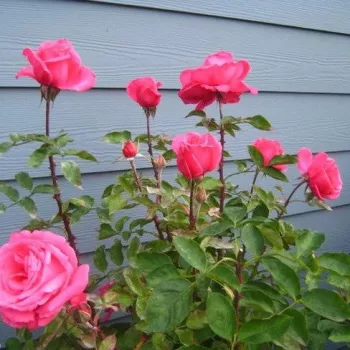
Upright, bushy shrub reaching about 100–140 cm with a 75–105 cm spread. Dense, dark green, glossy foliage and plentiful prickles on stems. Flowers often need deadheading as self-cleaning is weak on spent blooms. |
| Flower morphology |
Classic high-centred, pointed-budded hybrid tea blooms, usually solitary on stems. Extra-large double flowers with around 26–39 petals, producing remontant flushes with a particularly generous second flowering in suitable conditions. |
| Colour data and phenology |
Vivid, saturated deep pink tending slightly towards purple in cool light; ARS code DP, RHS 57B outer, 57C inner. Colour fades slowly to paler mauve pink with a light silvery edge, holding best in cooler, less intense sun. |
| Fragrance and aroma |
Strong, long-lasting fragrance with a classic damask rose character and spicy nuances. Scent is prominent outdoors and indoors when cut, especially in cool, still air. Noted internationally for fragrance in historical rose trials. |
| Hip characteristics |
Occasional ovoid hips 12–18 mm in diameter, orange-red (RHS 40A). Ornamentally modest but add seasonal interest when present, providing subtle autumn colour without significantly affecting flowering performance earlier in the season. |
| Resistance and winter hardiness |
Rated to about −26 to −23 °C (USDA 5b, RHS H7, Swedish Zone 4). Medium disease resistance overall; good against powdery mildew and black spot, moderate against rust. Performs best with regular watering in heat and drought. |
| Horticultural recommendations |
Best in full sun with fertile, well-drained soil; avoid deep shade. Space 55–65 cm in hedges or groups, 100 cm as a specimen. Medium maintenance: occasional pest and disease checks plus deadheading needed for neat presentation. |
Mullard Jubilee™ offers richly scented exhibition-style blooms, strong repeat flowering and long-lived own-root reliability; consider it if you would like a single rose to anchor a compact, characterful garden space.