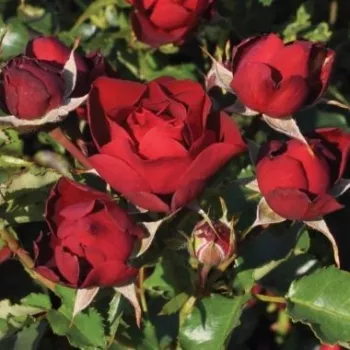
MORAVA – deep red bedding shrub rose – Tanjga
Step through your front gate after rain and meet a low, compact rose that feels made for small London gardens: MORAVA brings balance to narrow beds, handles blustery showers and heavier soils with reassuring resilience, and settles quickly into everyday family life. Its neat, bushy shape and velvety ruby-red clusters give reliable impact from early summer onwards, while own-root strength promises quiet longevity and steady regeneration if stems are damaged or pruned hard. In a 2-litre pot it is easy to handle and position, with simple care that suits beginners as well as busy homeowners. Leave space for roots to explore, allow drainage for rainwater, and watch as year by year roots, then shoots, then full flowering display reach confident maturity and lasting ornamental value in your sustainable, rainwater-friendly front garden sanctuary.
Usage options
| Target area | Reasoning |
|---|
| Terraced-house front garden bed |
The compact 35–50 cm height and 40–55 cm spread make MORAVA ideal for narrow strips between pavement and bay window, offering deep red colour without overwhelming the space and coping well with blustery, rain‑laden urban weather for the busy urban garden owner. |
| Low flowering hedge along a path |
Planted at 35 cm intervals, the dense foliage and bushy habit create a tidy edging that softly defines the route to your front door, giving a reassuring sense of structure and continuity through the season for the homeowner seeking order. |
| Feature rose in a large container |
In a 40–50 litre, well‑drained pot, MORAVA’s compact roots and moderate maintenance needs translate into a striking yet manageable container specimen, ideal for renters or balcony gardeners wanting a lasting rose they can move with the beginner container gardener. |
| Rainwater-conscious urban planting |
Its modest size and fibrous root system allow it to slot into small gravel strips or permeable front gardens where downpipes discharge, combining ornamental value with simple, soil‑level rainwater management suited to the sustainability‑minded city gardener. |
| Mixed border with perennials |
The velvety deep red clusters pair beautifully with airy grasses and soft pink or blue perennials, while the shrub’s medium disease resistance and own‑root vigour support a stable planting that matures gracefully for the creative hobby gardener. |
| Family garden play‑area backdrop |
Its low, bushy habit and moderate prickliness make MORAVA easier to position near lawns or play zones than taller, rangy roses, supplying colour without intrusive height and remaining manageable to prune for the practical family gardener. |
| Small pollinator-friendly corner |
Although the double blooms partly cover the stamens, bees and butterflies still visit, especially where MORAVA is combined with nectar‑rich companions, adding movement and life without turning maintenance into a chore for the wildlife‑aware beginner. |
| Rejuvenating long-term rose planting |
As an own‑root shrub, MORAVA can regrow from the base after hard pruning or weather damage, avoiding the issues of grafted suckers and supporting a slower, more sustainable planting rhythm for the long‑view garden planner. |
Styling ideas
- Front-row elegance – Line a narrow front bed with MORAVA and underplant with low blue catmint to soften the pavement edge – ideal for urban homeowners wanting tidy, low-fuss impact.
- Ruby-and-lavender – Combine MORAVA with lavender or dwarf sage in a sunny strip for fragrance, pollinator interest and soft contrast – suited to beginners seeking classic yet manageable style.
- Container jewel – Plant one MORAVA in a 50 litre pot with gravel mulch and fine sedge for a neat, modern entrance feature – perfect for renters and balcony gardeners.
- Rain-garden ribbon – Weave MORAVA through a permeable, gravelly front garden where rainwater can soak in, backed by airy ornamental grasses – for sustainability-focused city households.
- Play-friendly border – Place MORAVA at the front of a mixed border away from main play routes, with soft herbaceous companions to blur its outline – good for families wanting beauty without complex upkeep.
Technical cultivar profile
| Parameter | Data |
|---|
| Name and registration |
Medium-sized shrub rose from the Reka collection; registered as BOZreka026 and marketed as Morava Reka® BOZreka026, classified commercially as a deep red flowerbed shrub rose. |
| Origin and breeding |
Bred by Biljana Božanić Tanjga of PhenoGeno Roses, Serbia, with EU Plant Breeders’ Rights from 2022; introduced after 2022 for modern, nature-inspired garden and landscape use. |
| Growth and structural characteristics |
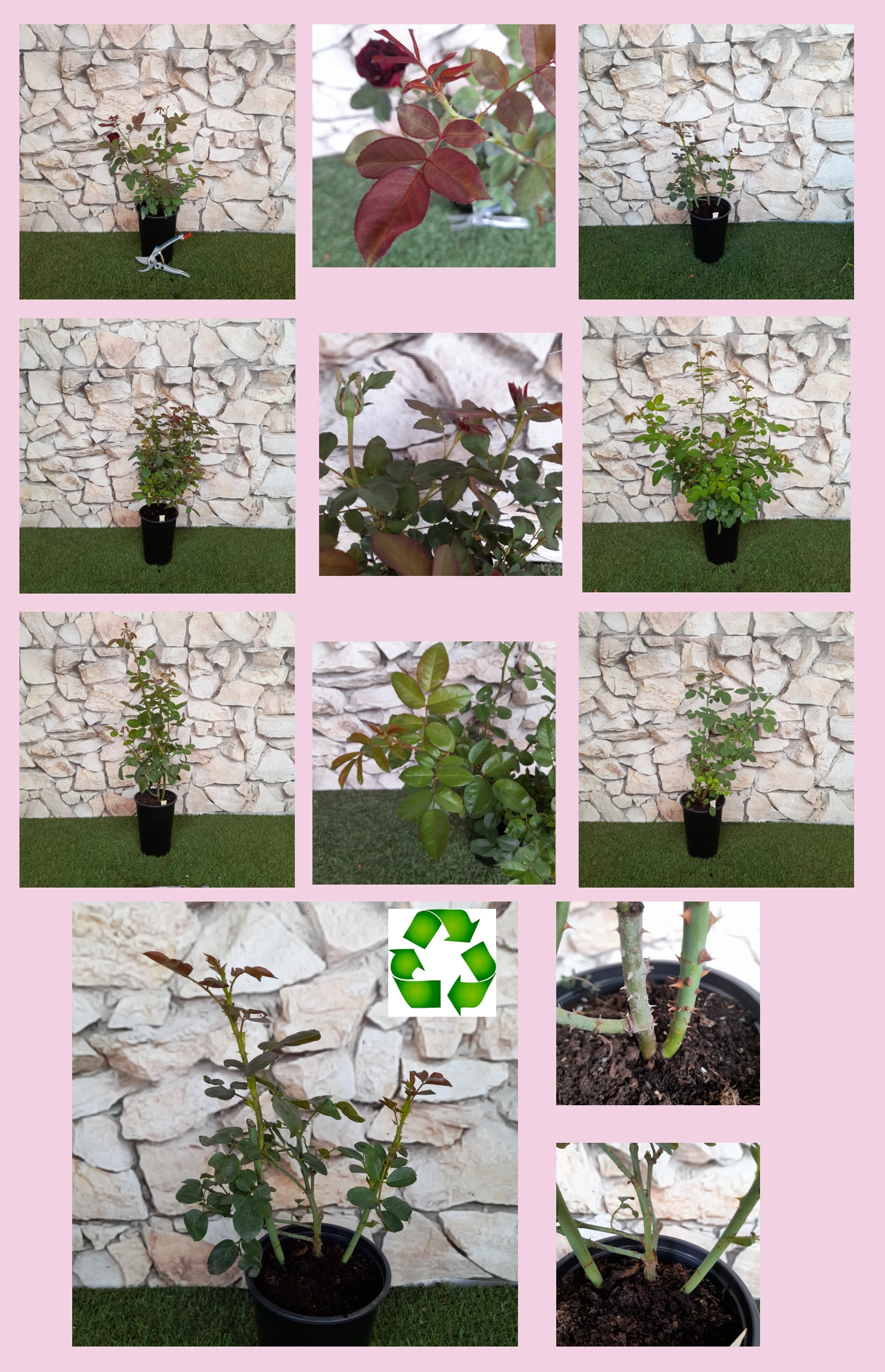
Compact, bushy shrub typically 35–50 cm high and 40–55 cm wide, with dense, slightly glossy medium to dark green foliage and moderate prickliness, forming a tidy, low mound suitable for repeated clipping. |
| Flower morphology |
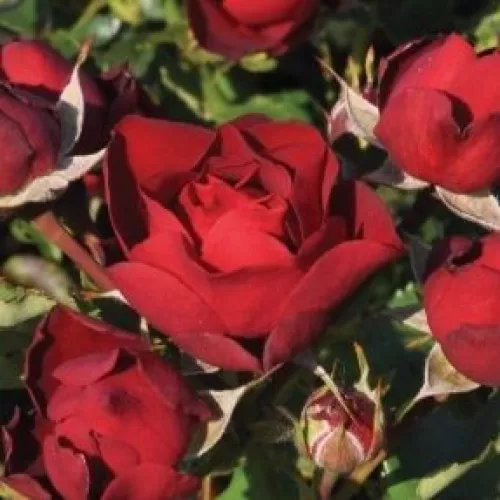
Cluster-flowered, cup-shaped double blooms of medium size, around 1.5–2.75 inches across, bearing approximately 26–39 petals and repeating with a notably abundant second flush in suitable conditions. |
| Colour data and phenology |
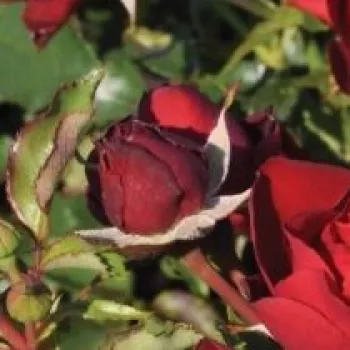
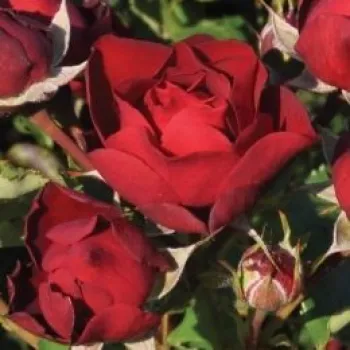
Closed buds are dark burgundy; opening flowers show rich ruby red deepening toward the centre, fading moderately towards carmine and pale maroon outer petals while maintaining a velvety deep red overall impression. |
| Fragrance and aroma |
Displays a classic rose-like scent of very weak intensity, detectable only at close range, so fragrance is a subtle added nuance rather than the primary ornamental feature of this shrub rose cultivar. |
| Hip characteristics |
Produces few small, spherical hips, about 6–10 mm in diameter, typically red in colour (RHS N45A), contributing occasional discreet autumn interest without significantly affecting flowering performance. |
| Resistance and winter hardiness |
Rated hardy to approximately –23 to –21 °C (RHS H7, USDA 6a, Swedish zone 3), with medium resistance to powdery mildew, black spot and rust, requiring standard, timely care in humid or high-pressure seasons. |
| Horticultural recommendations |
Best in full sun with well-drained soil; suitable for borders, edging, mass planting, containers and urban green spaces, planted 35–40 cm apart or singly at 70 cm, with routine monitoring for pests and diseases. |
MORAVA – deep red bedding shrub rose - Tanjga offers compact form, long-term own-root resilience and rich colour in small spaces; a considered choice if you would like durable impact from a modestly sized rose.