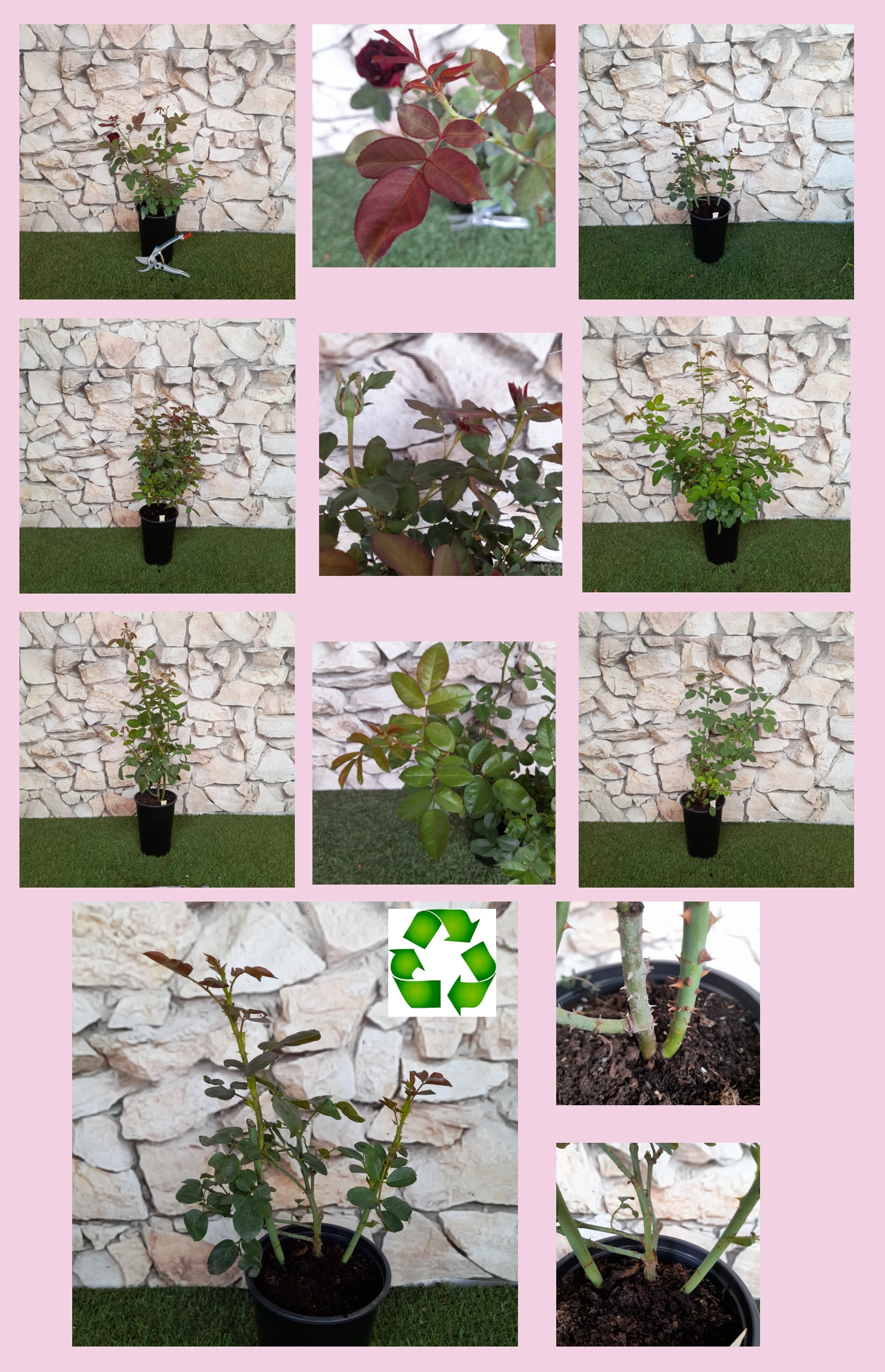
LILA WUNDER – purple tea-hybrid rose – pharmaROSA® ORIGINAL 2-litre own-root
Step out after rain along a narrow garden path and let colour, balance and gentle fragrance guide you towards a calmer, more sustainable city front garden. LILA WUNDER offers classic hybrid-tea elegance in a compact, upright form that suits London terraces and small family plots where wind and rain meet heavier soils and need thoughtful drainage management. Its repeat-blooming season of purple-lavender flowers brings reliable structure in a modest footprint, while own-root longevity supports a greener, low-fuss planting that settles in for years of enjoyment.
Usage options
| Target area |
Reasoning |
| Small front garden focal point |
The upright, compact habit and high-centred blooms make LILA WUNDER ideal as a single specimen by a path or doorway, giving a refined, “dressed” look to narrow London-style front gardens with very little daily attention for the beginner gardener |
| Low-maintenance cut-flower corner |
As a classic hybrid tea, it produces long, straight stems with well-formed blooms, so a single bush can supply repeat flushes of scented stems for the vase, turning even a tiny patch into a reliable home cutting garden for the busy homeowner |
| Container on terrace or balcony (40–50 L+) |
In a peat-free mix and a minimum 40–50 litre pot, its contained root system and upright growth provide a vertical accent without overwhelming small spaces, needing only simple watering and seasonal feeding for the urban balcony owner |
| Own-root, long-view family planting |
The plant grows steadily into its role: first strengthening roots, then building shoots, and by the third year delivering full ornamental impact, with own-root resilience helping it recover well from winter or pruning for the long-term planner |
| Moderate-care flowerbed with perennials |
Medium maintenance needs and moderate disease resistance suit a mixed border where you can accept some seasonal blemishes; pair with lavender, sage or nepeta to soften the structure and reduce visual fuss for the relaxed hobby gardener |
| Rain-resilient front garden composition |
Its upright form copes well where pavements shed rain towards beds, especially when planted into improved clay soil that helps manage frequent wet spells in built-up streets for the sustainability-minded gardener |
| Compact hedge or line along a path |
At 80–110 cm high and 50–70 cm spread, planted 50–60 cm apart it creates a low, structured row of purple blooms that defines paths and driveways without creating a visual barrier for the family garden owner |
| Statement plant in a contemporary scheme |
The unusual purple to lavender colour with a silvery veil works beautifully against dark gravel, corten steel or minimal planting, offering drama with just one or two plants and straightforward routine care for the design-conscious buyer |
Styling ideas
- Terrace Welcome – Place one LILA WUNDER each side of a front step in 50–60 L containers with peat-free compost and fine gravel mulch – ideal for townhouse owners wanting a tidy, fragrant entrance.
- Pastel Ribbon – Underplant a short row of LILA WUNDER with low heucheras and soft nepeta to create a feminine purple-and-silver border – perfect for those softening a hard-paved front garden.
- Cutting Nook – Combine this rose with a small patch of lavender and annual sweet peas near the back door for easy armfuls of scented stems – suited to home florists in compact gardens.
- Modern Contrast – Set LILA WUNDER against dark slate chippings and a compact Phormium ‘Tom Thumb’ for a graphic, contemporary feel – appealing to design-led urban gardeners.
- Rain-Garden Edge – Use one or two plants at the higher edge of a shallow rain-collecting swale with crocosmia for vertical colour above moisture-tolerant grasses – for eco-conscious householders rethinking driveway run-off.
Technical cultivar profile
| Parameter |
Data |
| Name and registration |
LILA WUNDER is a hybrid tea rose marketed as Lila Wunder hybrid tea rose pharmaROSA®, in the Hybrid Tea commercial group; an exhibition-type, purple-flowered garden rose supplied here on its own roots. |
| Origin and breeding |
Discovered and selected by pharmaROSA® with unknown parentage, this cultivar entered wider trade via PharmaRosa® Ltd. from 2005, and is now offered as a reliable own-root garden and container rose. |
| Growth and structural characteristics |
Upright, moderately dense bushes reaching about 80–110 cm high and 50–70 cm across, with glossy dark green foliage and moderate prickliness, forming a compact, easily integrated structure in small gardens. |
| Flower morphology |
High-centred, pointed-budded double flowers with around 26–39 petals, mainly solitary on stems, medium in size and repeat-flowering with an especially abundant second flush under normal garden conditions. |
| Colour data and phenology |
Buds open deep purple, shifting through rich crimson-purple to even lavender with silvery petal edges, then fading to pastel lavender with a pinkish base; colour retention is moderate in full sun. |
| Fragrance and aroma |
Classed as strongly scented with a long-lasting perfume that complements its cut-flower qualities; while the exact fragrance profile is undocumented, it provides a clearly noticeable scent in garden and vase. |
| Hip characteristics |
Hip set is generally low due to the fully double blooms; occasional small rounded hips may develop, typically around 10–16 mm in diameter, and have no significant ornamental or wildlife value. |
| Resistance and winter hardiness |
Hardy to approximately −21 to −18 °C (RHS H7, Swedish Zone 3, USDA 6b) with moderate tolerance to powdery mildew, black spot and rust, benefiting from basic hygiene and occasional preventive treatments. |
| Horticultural recommendations |
Best in a sunny site with fertile, well-drained soil; suitable for beds, low hedging, containers from 40–50 litres and cutting, with medium maintenance and routine feeding, watering and pruning for repeat flowering. |
LILA WUNDER offers compact purple elegance, strong fragrance and repeat blooms on a resilient own-root plant, making it a thoughtful choice for long-lived, easy-care planting in a small family or urban garden.