AUSMOL – yellow English rose - Austin
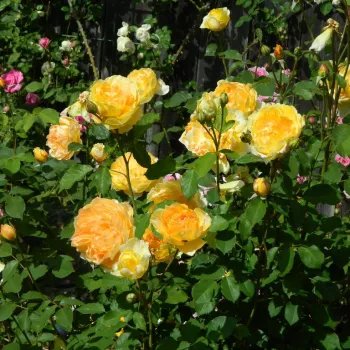
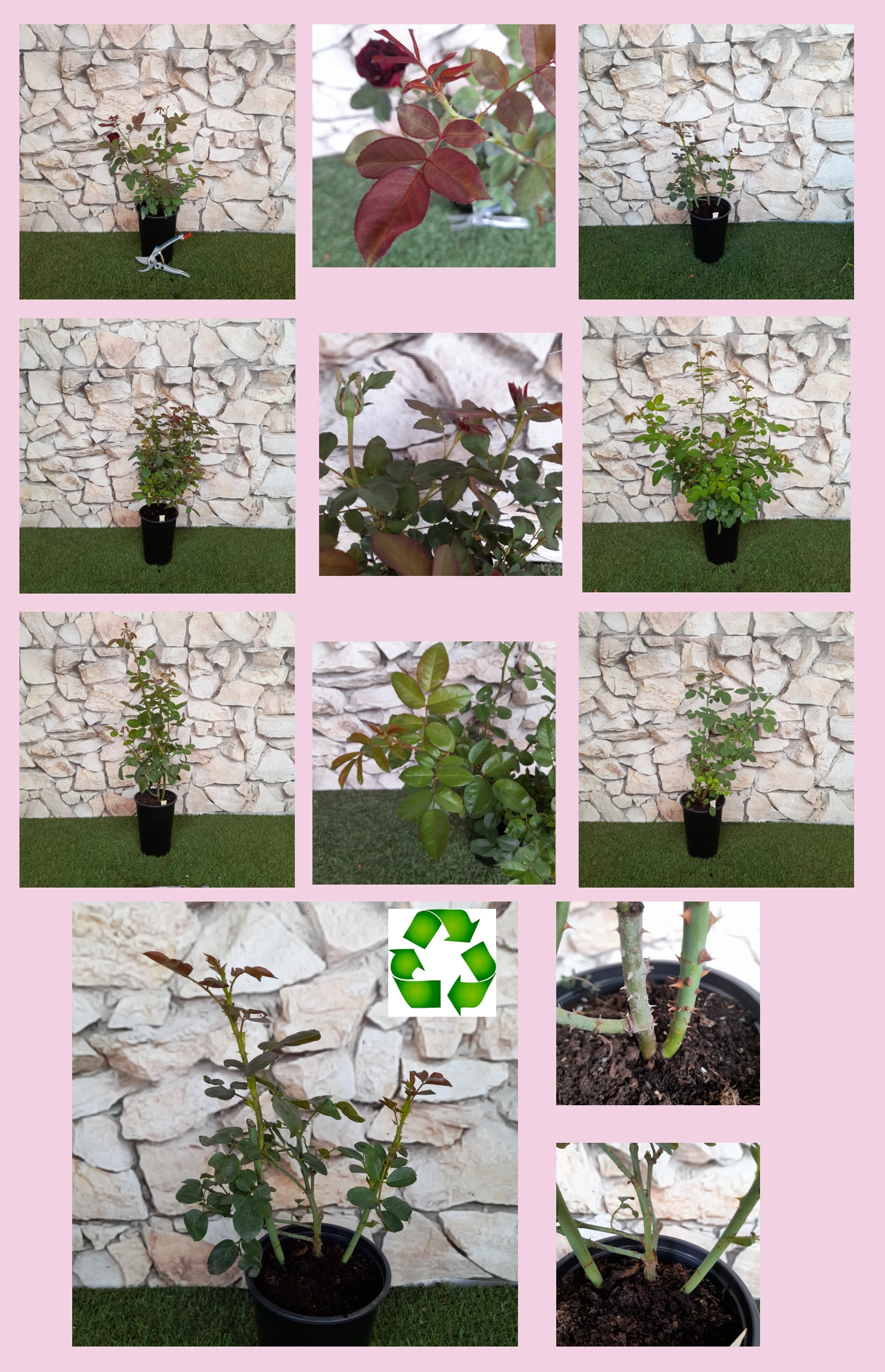
Imagine your London front garden after rain, paths damp and air scented with tea notes, as the soft golden rosettes of this English shrub rose glow against dark green foliage. Bred by David Austin, this compact, upright variety fits beautifully into small urban spaces, thriving even where soils are heavy yet well drained and summers bring frequent wet, breezy spells with occasional fungal pressure and gusty coastal winds. As an own-root plant, it builds strength steadily and, with minimal intervention, forms a long-lived, reliable framework for years of colour. Its repeat-flowering habit delivers generous flushes from early summer onwards, so your terrace or front border rarely looks bare. Ideal for rainwater-wise planting, it partners naturally with lavender, nepeta or herbs in a sustainable, low-lawn design, and rewards simple care with season-long balance. Think in terms of patient establishment – roots in the first season, more adventurous shoots in the second, and full ornamental presence by year three, giving you enduring garden calm and a quietly confident sense of green longevity.
Usage options
| Target area | Reasoning |
|---|
| Small front garden focal shrub |
A compact 80–130 cm shrub, this rose gives a clear focal point without overwhelming a narrow, terraced-house frontage. The upright habit and dense foliage provide structure all year, ideal for busy homeowners seeking reliable charm. Beginners |
| Long-season flowering border |
With abundant remontant flowering, it repeats generously after the first flush, keeping borders colourful from early summer into autumn. Yellow rosettes mix well with perennials, so a modest planting still looks considered and complete. Hobby-gardeners |
| Low, informal hedge |
Planted at around 55 cm, it forms a softly billowing, informal hedge that defines paths while remaining friendly in scale. Light prickliness and dense foliage make it practical along front boundaries used daily by children and guests. Family-gardeners |
| Own-root, long-lived specimen |
As an own-root shrub, it avoids the long-term issues of graft failure, regenerating naturally from the base if damaged. This underpins a stable shape and predictable flowering year after year, with less remedial work for the gardener. Low-maintenance-seekers |
| Part-shade city side return |
Tolerant of partial shade, it performs where many roses sulk, such as side returns or north–east facing front beds. Consistent flowering in lighter shade lets you green up awkward, overshadowed spaces without complicated plant choices. Urban-owners |
| Heat- and drought-exposed spots |
Good heat tolerance means it copes with paved front gardens, south-facing walls and reflective hard landscaping. Combined with regular but efficient watering, it remains floriferous through hot spells, supporting resilient planting in tight plots. Sustainability-minded |
| Rainwater-friendly mixed planting |
Works naturally in mixed borders designed for on-plot rainwater absorption, sitting among grasses, herbs and perennials rather than paving. It copes well with the cool, damp conditions and occasional fungal pressure of wetter, windier UK summers. Eco-conscious-gardeners |
| Container on patio or balcony (large pot) |
In a 40–50 litre or larger container, it offers a refined rose experience to renters and balcony owners. The upright, shrub-like habit makes one plant feel generous, while own-root vigour supports steady renewal in confined soil volumes. Balcony-gardeners |
Styling ideas
- Golden-Path – line a short front path with a loose hedge of these roses underplanted with fragrant thyme, creating a soft corridor of yellow rosettes – ideal for family front gardens.
- Terrace-Jewel – place a single shrub in a 50 litre terracotta pot with trailing ivy-leaved pelargoniums to frame a front door with relaxed English charm – perfect for busy urban homeowners.
- Herb-Companion – combine with lavender, sage and rosemary in a sunny bed so the warm yellow blooms contrast with silvery foliage and blue flowers – suited to low-maintenance cottage-style borders.
- Rain-Garden-Glow – weave this rose among grasses and moisture-tolerant perennials in a slightly sunken rain bed, where its upright shape anchors looser textures – good for sustainability-focused designs.
- Courtyard-Classic – use a pair in large square planters flanking a bench, with nepeta and heuchera at the base, for a calm, sheltered seating nook – appealing to beginners wanting instant structure.
Technical cultivar profile
| Parameter | Data |
|---|
| Name and registration |
English shrub rose from the English Rose Collection, registered as AUSmol and traded as Molineux; a romantic, park and bedding type with verified authenticity for discerning garden use. |
| Origin and breeding |
Bred by David C. H. Austin in the United Kingdom, from ‘Graham Thomas’ × unnamed seedling; introduced and registered in 1994 by David Austin Roses Ltd as part of the English Rose range. |
| Awards and recognition |
Holder of major trial honours including the President’s International Trophy (RNRS), multiple Gold Medals and the RHS Award of Garden Merit, confirming strong, proven garden performance worldwide. |
| Growth and structural characteristics |
Upright shrub, typically 80–130 cm tall and 70–120 cm wide, with dense, slightly glossy dark green foliage and light prickliness; forms a well-branched, compact framework in average UK gardens. |
| Flower morphology |
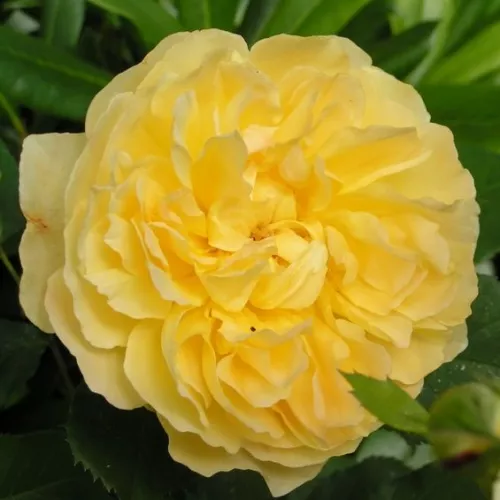
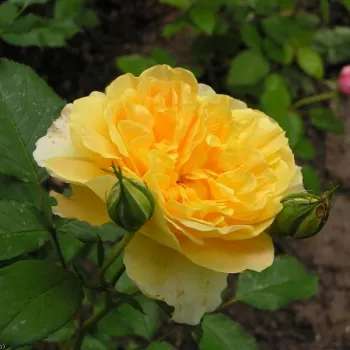
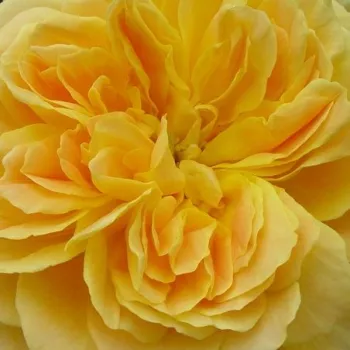
Very full, rosette-shaped clusters of medium-sized blooms, each with 40+ petals. Flowers appear in generous flushes with abundant repeat, creating a rounded, old-rose effect on modern, manageable shrubs. |
| Colour data and phenology |
Golden-yellow petals opening from deep yellow buds; centres canary yellow, edges butter to lemon yellow, lightening modestly in strong sun and remaining richer in cooler weather through the season. |
| Fragrance and aroma |
Mild but distinct tea and musk fragrance, noticeable at close range rather than overpowering. Suits seating areas where a gentle, unobtrusive scent is preferred over intense perfumed varieties. |
| Hip characteristics |
Hip set is generally low due to very double blooms; occasional small, 6–10 mm, globular orange-red hips may form, adding discreet autumn interest without significantly affecting flowering performance. |
| Resistance and winter hardiness |
Hardy to about −26 to −23 °C (RHS H7, USDA 5b), with medium disease resistance; copes with UK heat spells if watered, though new growth should be protected from late spring frosts where possible. |
| Horticultural recommendations |
Best in fertile, well-drained soil; suitable for borders, low hedges, containers and specimens. Space at 65 cm for mass planting or 100 cm as a specimen, and monitor periodically for common rose diseases. |
AUSmol rewards patient establishment with compact, repeat-flowering golden blooms, dependable structure and the regenerative security of an own-root shrub, making it a considerate, long-term choice for your garden.