MIAMI™ – orange dwarf mini rose – Adam
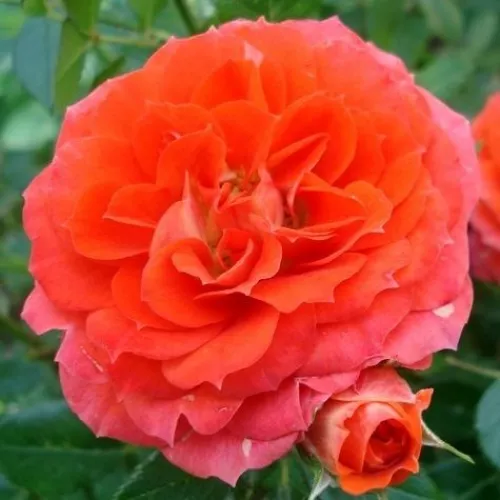
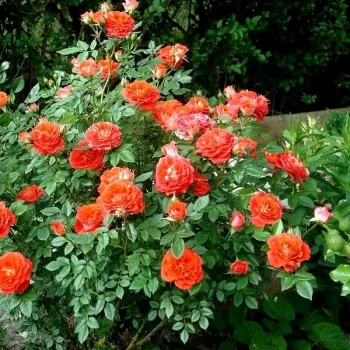
Step out to your front garden after rain and find Miami quietly glowing: compact, balance-giving mounds of glossy dark foliage topped with clusters of vivid orange blooms that soften to a peachy edge. This dwarf shrub sits comfortably in small London-style spaces and city terraces, working beautifully where careful drainage is needed on heavier soils in changeable weather. Its naturally neat habit makes it easy to place in narrow beds, rock gardens or generous containers, while its remontant nature ensures flush after flush of colour from early summer well into autumn. As an own-root rose it is bred for longevity, quietly rebuilding from the base if weather or pruning are less than perfect, so you can enjoy stable ornamental value for years with only simple seasonal care. In the first year it concentrates on roots, the second on building tidy shoots, and by the third it offers its full, glowing display.
Usage options
| Target area | Reasoning |
|---|
| Small front garden bed |
The compact, 35–45 cm height and short spread make MIAMI™ ideal for tight urban front gardens where space and light are limited, delivering a reliable, colourful presence with minimal pruning for busy beginners |
| Low edging along paths |
Dense, dark green foliage and rounded growth habit naturally form a low, tidy edging that frames narrow paths without flopping, creating a subtle sense of order that suits family gardens and shared access spaces for time-poor homeowners |
| Feature container (40–50 L+) |
Its dwarf size and clustered flowers make a striking focal point in a large, well-drained pot of at least 40–50 litres, easy to manage with harvested rainwater on balconies and paved courtyards for urban terrace gardeners |
| Rock and gravel gardens |
The sturdy, compact structure and moderate disease tolerance suit free-draining rock or gravel plantings, where its fiery flowers contrast beautifully with stone while requiring only straightforward seasonal checks for low-maintenance stylists |
| Mixed border highlights |
MIAMI™ repeats flowering, delivering multiple waves of vivid orange blooms that weave pockets of colour between perennials, steadily enhancing seasonal interest without complex deadheading routines for colour-seeking amateurs |
| Formal mini-hedge |
Regular spacing of these uniform, compact plants produces a precise low hedge, their consistent size and dense foliage giving a long-lived structure that only needs light annual trimming for structure-focused gardeners |
| Family play garden accent |
The modest height and bushy habit allow planting near play areas or seating, where intense yet small blooms provide interest without overwhelming the space, and routine care stays simple for practical family owners |
| Rain-aware front garden scheme |
Working well in small beds with improved drainage and mixed planting, this rose integrates into sustainable front gardens that handle wetter spells and breezier days without fuss for eco-conscious city dwellers |
Styling ideas
- Terrace Glow – Plant MIAMI™ in a 40–50 L pot with trailing thyme and blue nepeta for a soft-edged, glimmering accent on steps – ideal for compact front-door entrances.
- Peach Border – Thread it through a narrow border with soft pink gypsophila and pale sage to echo its peach-fading blooms – for gentle, feminine London front gardens.
- Mini Hedge – Line a short path with evenly spaced plants, underplanting with low lavender to contrast the orange flowers – suited to neat, formal-minded homeowners.
- Rock Contrast – Tuck among pale gravel, dwarf grasses and silvery foliage plants to highlight its fiery clusters – perfect for contemporary, low-maintenance schemes.
- Courtyard Focus – Use a single MIAMI™ in a large container framed by clipped Ilex crenata for a balanced, modern focal point – for design-led urban patios.
Technical cultivar profile
| Property | Data |
|---|
| Name and registration |
MIAMI™ (Registered as ADAzombor) is a miniature, dwarf shrub rose in the NIRPATIO collection, commercial type dwarf–mini, verified authenticity and ARS exhibition name Miami for garden and show use. |
| Origin and breeding |
Bred by Michel Adam in France, with breeding year and registration recorded as 1997; parentage and breeding institution are undocumented, with NIRP International acting as the initial distributor. |
| Growth and structural characteristics |
Compact, bushy plants reach about 35–45 cm in height and 25–35 cm spread, with moderately thorny stems and dense, slightly glossy dark green foliage creating a tidy, rounded miniature shrub form. |
| Flower morphology |
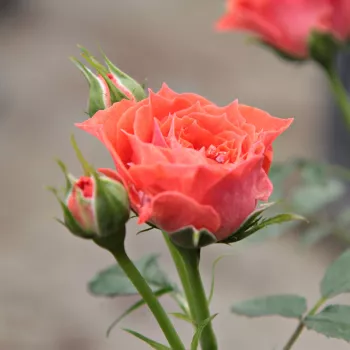
Very double, cupped cluster blooms with more than 40 petals each, small flower diameter around 0.5–1.5 inches, repeatedly remontant with an abundant second flush, providing prolonged decorative impact in season. |
| Colour data and phenology |
Flowers open in intense, red-toned fiery orange (RHS 34A–B) with a silky sheen, later fading to lighter orange and peach-edged tones, with subtle salmon transitions that create a lively, changing colour display. |
| Fragrance and aroma |
Fragrance is very weak and barely perceptible, with no distinct scent character recorded, so the primary appeal is visual, relying on colour, flower form and compact habit rather than perfume for garden effect. |
| Hip characteristics |
Occasionally sets very small hips, typically 0–6 mm in diameter, with no notable ornamental value, and hip colour, shape and abundance are not major features in standard garden use. |
| Resistance and winter hardiness |
Rated to approximately –21 to –18 °C (RHS H7, Swedish zone 3, USDA 6b), with medium resistance to black spot, powdery mildew and rust, benefitting from good air movement and basic preventive care. |
| Horticultural recommendations |
Suited to beds, borders, rock gardens and containers; best in full sun, planted 25–50 cm apart depending on use, with 11–13 plants per m² for mass effect and medium maintenance including occasional plant protection. |
MIAMI™ offers compact structure, repeat orange flowering and steady visual impact in an own-root form that matures reliably over years, a thoughtful choice if you value enduring colour in smaller spaces.