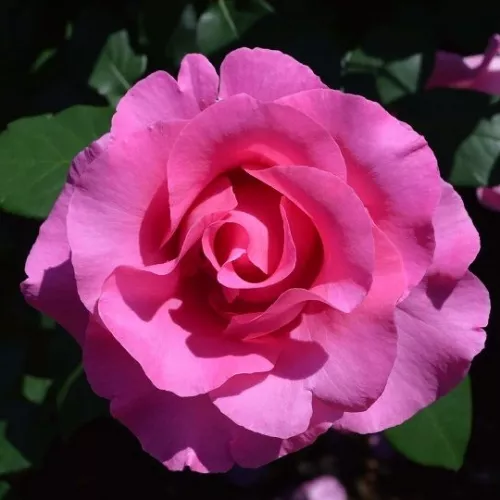
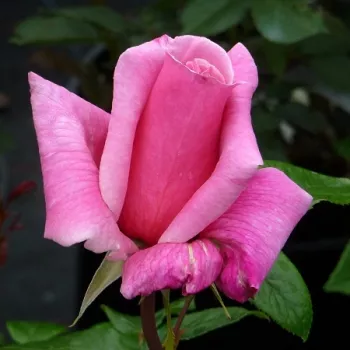
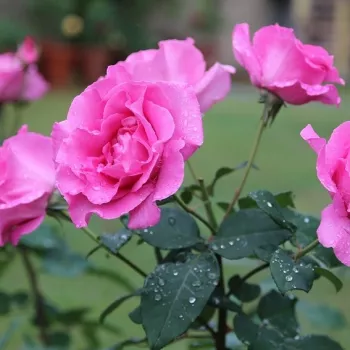
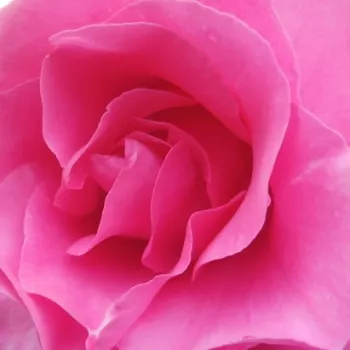
MEIZELI – deep pink hybrid tea rose – Meilland
Step out to the front garden after rain and you will notice at once how this rose brings a sense of balance to even a compact London plot: tall, upright, and clothed in glossy foliage, its richly scented, deep pink flowers rise at eye level for easy enjoyment. Bred for exceptional fragrance, it holds a World’s Favourite Rose title yet remains reassuringly straightforward to grow, with very good disease resistance that suits busy owners who want reliability more than routine spraying. On its own roots it offers long-lived stability, quietly rebuilding itself if weather or pruning are less than perfect, so your investment matures year by year. Give it decent drainage where heavy clay prevails and it will cope calmly with blustery, wet spells common in British gardens. Over the first seasons it will put its energy into roots, then framework, then a fully developed show of flowers, making it a thoughtful, sustainable choice for family gardens that value both longevity and low maintenance in a rainwater-aware, urban setting.
Usage options
| Target area |
Reasoning |
| Front garden focal point |
The strong, upright habit to around 150 cm makes a clear vertical accent beside a path or low wall, while the deep pink, high‑centred blooms read beautifully from the pavement for years with minimal specialist care, ideal for the beginner. |
| Rain‑aware urban border |
Planted into improved soil over heavy clay with good drainage, this variety tolerates wet and windy spells without defoliating, allowing you to pair it with gravel, grasses and raingarden plants for an attractive, practical frontage suited to the city‑dweller. |
| Feature container (≥50 L) |
Its tall, elegant stems and dense, glossy foliage work superbly in a large 50–60 litre pot where watering can be controlled; own‑root vigour helps it recover from occasional neglect, a real advantage for the busy‑owner. |
| Low‑maintenance rose bed |
Excellent resistance to black spot, mildew and rust keeps foliage clean in humid summers, reducing the need for chemical treatments or frequent pruning, making a small rose bed manageable for the time‑poor. |
| Cut‑flower patch |
Originally bred as a hybrid tea for cutting, it produces extra‑large, high‑centred blooms on long stems, with intense perfume that lasts indoors, giving reliable vase material for the home‑arranger. |
| Scented seating area |
The very strong rose‑and‑citrus fragrance carries on still evenings, so a single plant near a bench or small terrace can perfume the whole corner, bringing a sense of calm indulgence for the evening‑relaxer. |
| Long‑term garden structure |
As an own‑root rose it slowly builds a permanent framework, regenerating new shoots from the base and avoiding graft failure, so it can remain a dependable feature for many seasons, rewarding the long‑planner. |
| Statement specimen in mixed planting |
The XL, deep pink blooms shine against dark green foliage and mix well with cool perennials such as nepeta or sage, giving a refined yet generous show from a single plant that suits the style‑conscious. |
Styling ideas
- Modern‑romantic – Underplant with lavender and soft grasses in a gravel strip by the front door to contrast the deep pink blooms with silvery foliage – for design‑minded townhouse owners.
- Classic‑avenue – Repeat a line of plants at 1.1 m spacing along a front path, underplanted with low nepeta, to create a scented approach – for families wanting formality without high upkeep.
- Cottage‑cutting – Combine with clematis ‘Little Artist’, feverfew and annual fillers to supply the house with fragrant stems all summer – for hobby gardeners who love arranging home‑grown flowers.
- Balcony‑statement – Grow one plant in a 50–60 L container with trailing thyme and heuchera to bring height and perfume to a compact balcony – for urban renters seeking movable impact.
- Evening‑retreat – Place near a small bench, framed with sage and low ferns, to create a quiet, scented corner that feels lush after rain – for professionals unwinding in a small garden.
Technical cultivar profile
| Characteristic |
Data |
| Name and registration |
Hybrid tea rose, registered as MEIzeli; marketed as Meizeli PERFUMELLA® MEIzeli, widely known in exhibitions as ‘The McCartney Rose’, from the PERFUMELLA® collection. |
| Origin and breeding |
Bred by Alain Meilland (France, 1988); parentage (Nirvana × Papa Meilland) × ‘First Prize’; introduced by Meilland International SA from 1992 in Europe and 1998 in the USA. |
| Awards and recognition |
Extensively decorated: multiple Gold medals and fragrance prizes at Geneva, Monza, The Hague, Le Roeulx and Baden‑Baden; honoured as World’s Favourite Rose in 1992. |
| Growth and structural characteristics |
Strong, upright bush 130–170 cm high, 85–115 cm wide, with dense, dark glossy foliage and moderate prickles; weak self‑cleaning means spent blooms often need light deadheading. |
| Flower morphology |
Very large, single borne, high‑centred hybrid tea flowers with 13–25 petals; semi‑double appearance yet full presence, remontant with particularly abundant second flush in suitable conditions. |
| Colour data and phenology |
Intense deep pink blooms, crimson‑pink in bud; as flowers open they lighten slightly, then fade at petal edges to raspberry‑rose tones, maintaining a bright, eye‑catching display before petal drop. |
| Fragrance and aroma |
Very strongly scented hybrid tea, detectable from a distance; classic rose‑oil character with fresh citrus top notes, designed as a perfumed garden and cutting rose rather than a pollinator magnet. |
| Hip characteristics |
Hip set is usually modest; where pollinated it forms small, red, ellipsoid hips around 7–11 mm in diameter, on upright stems, adding discrete autumn interest without heavy seeding. |
| Resistance and winter hardiness |
Hardy to approximately –23 to –26 °C (RHS H7, Swedish zone 4, USDA 5b); foliage shows strong resistance to black spot, powdery mildew and rust, though the plant dislikes prolonged drought. |
| Horticultural recommendations |
Best in full sun with moisture‑retentive but well‑drained soil; avoid drought by regular watering, especially in containers; plant 55–110 cm apart depending on hedging, massed bedding or specimen use. |
MEIzeli combines award‑winning fragrance, reliable disease resistance and durable own‑root growth, making it a thoughtful long‑term choice for those refining a small or family garden.