MEDITERRANEA™ – salmon-pink-yellow hybrid tea rose – Dot
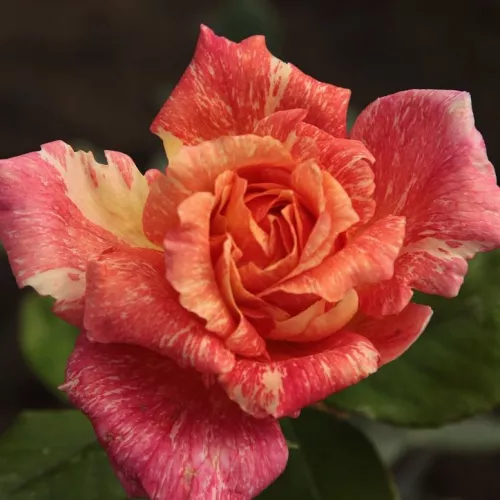
Step out to the front gate after rain and feel balance as MEDITERRANEA™ fills your narrow path with a strong, sweet, fruity fragrance. This upright, hybrid tea produces elegant, salmon-pink and yellow goblet blooms from early summer in generous, repeat flowering flushes, creating a calm, “girly” welcome in compact London front gardens. Bred in Spain, it brings reassuring disease resistance that copes well with wet, breezy British spells and heavy clay that drains slowly after downpours. On its durable own roots, it forms a long-lived, regenerating framework that stays reliable year after year with only light pruning. Within three seasons it moves naturally from establishing roots, to building confident shoots, to delivering its full ornamental presence along your everyday route to the door.
Usage options
| Target area |
Reasoning |
| London terraced-house front garden |
The neat, upright habit and medium height fit a typical narrow front strip without overwhelming windows or paths, while repeat flowering keeps the entrance looking cared-for with minimal effort for the busy urban gardener. |
| Rainwater-conscious urban planting bed |
Planted into improved, free-draining soil, this rose copes well where rainwater lingers briefly after showers, working neatly with permeable front drives and small rain gardens for the sustainability-focused homeowner. |
| Feature rose in a mixed “girly” border |
Romantic salmon, peach and creamy tones pair softly with airy daisies and pastel asters, giving a feminine, welcoming look that stays tidy and structured for the style-aware front-garden owner. |
| Cut-flower row or show bench corner |
Long, straight stems and classic hybrid tea form make it suitable for cutting, so a small row can supply vases indoors while still leaving plenty of garden display for the home flower arranger. |
| Low-maintenance family garden focal point |
Good disease resistance and simple pruning needs keep care routines straightforward, freeing up time while still giving a refined focal rose for the time-pressed hobby gardener. |
| Small rose hedge or path edging |
Regular spacing creates a soft, scented boundary that guides you along the path; repeated planting of the same variety gives a calm, coherent look for the order-loving garden planner. |
| Own-root long-term planting in settled borders |
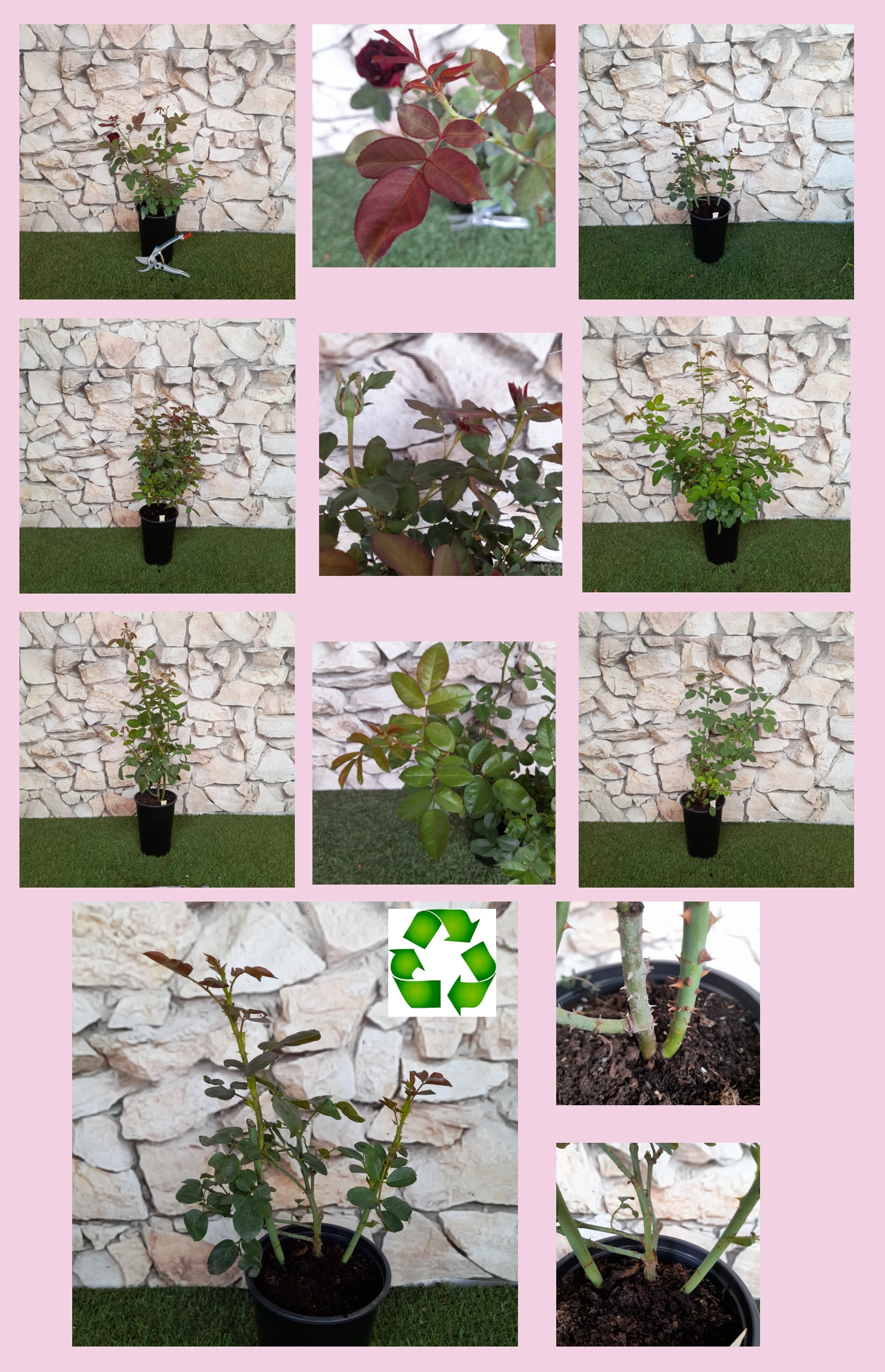
Being grown on its own roots helps it recover if stems are damaged and supports a stable, mature shape over many seasons for the long-view garden investor. |
| Large container on a sunny doorstep |
In a generously sized pot of at least 40–50 litres with peat-free compost and regular watering, it becomes a fragrant welcome at the front door for the balcony-and-patio gardener. |
Styling ideas
- Romantic-Entrance – Line a short front path with repeat-planted MEDITERRANEA™ and soft gravel, allowing salmon blooms and glossy foliage to frame the doorway – ideal for terrace owners wanting a gentle, feminine welcome.
- Pastel-Drift – Combine with Erigeron karvinskianus and dwarf aster for a cloud of small daisies beneath taller hybrid tea stems – suited to those who prefer airy, meadow-like planting with minimal fuss.
- Herbal-Edge – Underplant with dwarf oregano and low-growing thyme to knit around the base, softening the soil line and supporting drainage – good for gardeners managing heavy, moisture-holding clay.
- Show-Corner – Dedicate a sunny fence section to a short cutting row, repeating MEDITERRANEA™ for reliable stems and colour consistency – perfect for home florists who enjoy arranging their own roses.
- Courtyard-Focus – Place a single plant in a large, simple container with clean lines, letting form and fragrance take centre stage – best for design-led urban gardeners working with limited hard-landscaped space.
Technical cultivar profile
| Parameter |
Data |
| Name and registration |
Hybrid tea rose; registered cultivar name Mediterrànea, traded as Mediterranea™ Hybrid tea rose Mediterrànea; ARS exhibition name Mediterranea; part of the hybrid tea rose group. |
| Origin and breeding |
Sport of ‘Signora’, bred by Pedro Dot in San Feliu de Llobregat, Spain, around 1943; introduced by Hazlewood Bros. Pty. Ltd. in 1951; remains an unregistered but well-documented variety. |
| Growth and structural characteristics |
Upright bush reaching around 110–150 cm in height with a 60–80 cm spread, moderately dense, mid-green, slightly glossy foliage and moderate prickliness, forming a tidy, vertical garden presence. |
| Flower morphology |
Medium-sized, double flowers with 26–39 petals, mainly solitary on stems, cup to goblet-shaped; repeat flowering with a generous second flush that helps maintain display across the season. |
| Colour data and phenology |
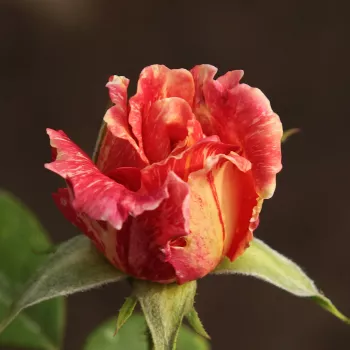
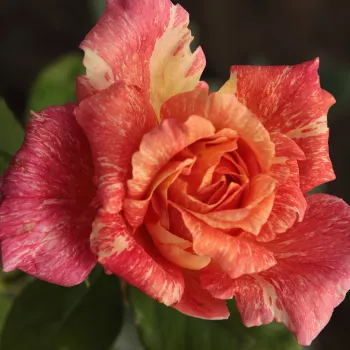
Salmon-pink to pastel tones over a yellow base, RHS 36B outer and 14C inner; colour softens as blooms open, creating layered peach, cream and pink effects from bud stage to full bloom. |
| Fragrance and aroma |
Strong, long-lasting scent with a sweet, fruity character; fragrance is noticeable both on the plant and when stems are cut for indoor use, lending a classic perfumed rose presence to paths and patios. |
| Hip characteristics |
Due to the double, petal-rich flower form, hips are uncommon; when produced they are ovoid, around 13–17 mm, coloured orange-red, adding occasional late-season points of interest. |
| Resistance and winter hardiness |
Rated resistant to powdery mildew, black spot and rust; hardy to approximately −21 to −18 °C (RHS H7, Swedish zone 3, USDA 6b), suitable for most UK regions with routine garden care. |
| Horticultural recommendations |
Plant 55–65 cm apart for hedging or massing, or 100 cm as a specimen; allow 2.4–2.7 plants/m² in formal layouts; low maintenance once established, requiring basic pruning and feeding only. |
MEDITERRANEA™ offers strong fragrance, reliable repeat flowering and long-lived own-root growth that matures steadily into a graceful shrub, making it a thoughtful choice for those planning a lasting, low-fuss garden feature.