MAXI-VITA® – apricot-pink bedding floribunda rose - Kordes
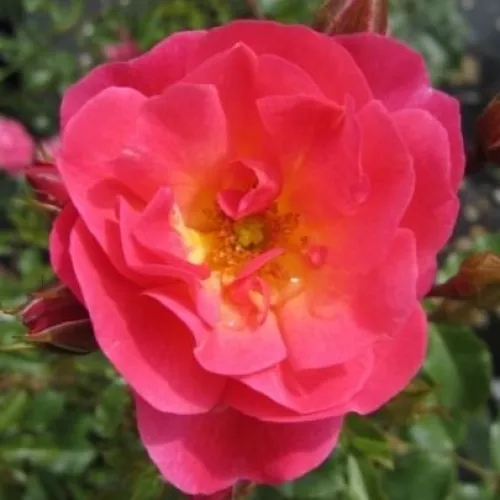
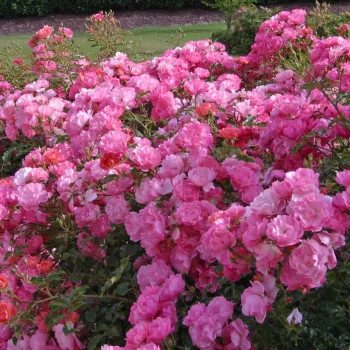
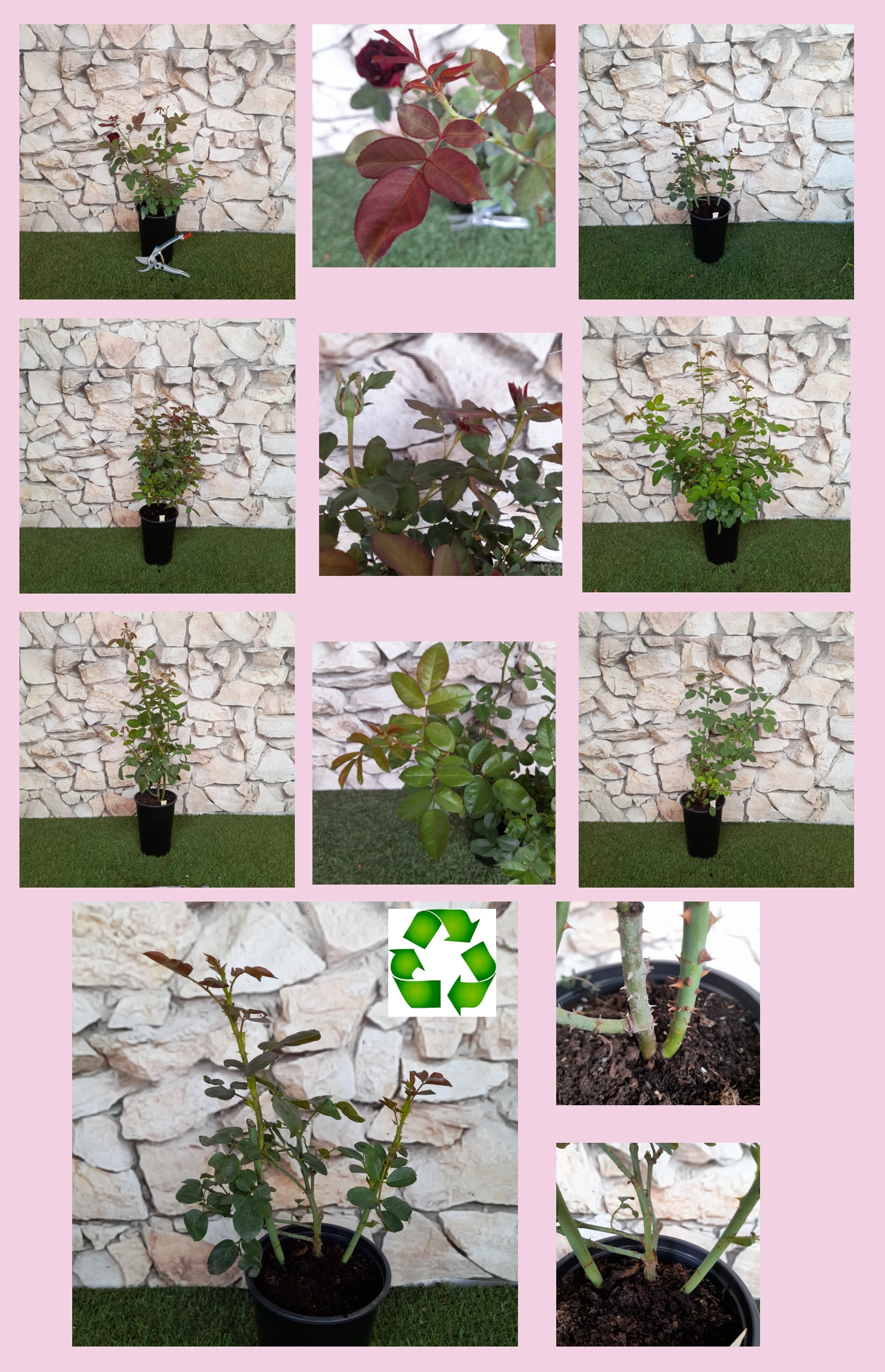
Step out after rain into a front garden of soft balance and gentle colour with Maxi-Vita®, a compact floribunda bred to cope serenely with blustery, changeable British weather. Its bushy habit and mid-green foliage frame clusters of peach-pink blooms that flower generously from early summer well into autumn, giving a long, reassuring season of colour with very little intervention from you. Bred by Kordes and ADR-certified, it offers outstanding disease resistance, ideal where humidity can raise fungal pressure and clay soil demands thoughtful drainage. Own-root plants settle in for the long term, regenerating reliably and building a stable shape over the years; think of year one for roots, year two for confident shoots, and year three for full ornamental value. Equally at home in a small terraced front garden, sustainable urban border or generous container, its moderate, semi-double flowers provide accessible centres that are helpfully pollinator-friendly without overwhelming a compact space.
Usage options
| Target area |
Reasoning |
| London terraced-house front garden bed |
Compact, bushy growth (around 50–70 cm) makes Maxi-Vita® ideal for a narrow front border where you need structure without blocking light or paths, giving reliable repeat flowering with very low fuss for busy urban gardeners. |
| Rainwater-conscious urban planting strip |
This rose copes well where soils are heavy and winter-wet, working neatly with permeable surfaces and rain gardens as long as you add grit or organic matter to improve infiltration, supporting those planning sustainable street-side schemes for city homeowners. |
| Low-maintenance family mixed border |
ADR-level disease resistance to black spot, mildew and rust keeps foliage clean with minimal spraying, so you can enjoy months of soft peach-pink bloom without complicated regimes, a reassuring choice for beginner gardeners. |
| Medium to large patio container (40–50 litres+) |
In a substantial, well-drained pot of at least 40–50 litres, Maxi-Vita® forms a rounded, floriferous shrub that responds well to simple annual top-dressing and light pruning, rewarding straightforward care from balcony and patio owners. |
| Long-season colour strip along paths or drives |
Cluster-flowered stems and good repeat bloom create a near-continuous ribbon of colour from early summer to autumn, keeping entrances welcoming and tidy while needing only basic deadheading and winter tidy-up from time-pressed families. |
| Pollinator-aware front garden design |
Semi-double flowers with accessible, lightly yellow centres offer moderate pollen access, especially valuable when mixed with herbs like lavender or nepeta, adding soft colour while quietly supporting wildlife-focused urban gardeners. |
| Long-lived, low-intervention planting schemes |
As an own-root rose, Maxi-Vita® develops a stable, regenerating framework, so even if stems are cut back hard by weather or pruning it reshoots true to type, ideal for those seeking enduring structure with minimal input from homeowners. |
| Exposed or coastal-influenced gardens |
Good heat and weather tolerance, combined with robust foliage, allows this variety to perform reliably in breezier, rain-prone situations where some roses struggle with humidity and wind, providing peace of mind for coastal-region gardeners. |
Styling ideas
- Soft-Edge – Line a narrow front border with Maxi-Vita® and low nepeta to soften paving edges and provide long, pastel colour – ideal for terraced-house entrances.
- Apricot-Drift – Plant small groups in a gravel mulch with drought-tolerant herbs like lavender and sage for a rain-permeable, low-maintenance strip – perfect for sustainable driveways.
- Container-Courtyard – Grow a single plant in a 50-litre terracotta pot with trailing bellflowers at the rim for layered peach and blue tones – suited to compact patios.
- Family-Border – Mix Maxi-Vita® with mid-green shrubs and spring bulbs to create a resilient, easy-care border that looks good across school holidays – great for busy families.
- Urban-Canvas – Combine several plants as a low hedge in front of evergreen structure for a long-season, minimal-spray backdrop – attractive for eco-conscious city gardeners.
Technical cultivar profile
| Parameter |
Data |
| Name and registration |
Floribunda shrub rose from the RigoRosen® collection; registered as KORfeining, marketed as Maxi-Vita® / Maxi-Vita® RigoRosen®, a compact bedding rose for borders and smaller spaces. |
| Origin and breeding |
Bred by W. Kordes & Sons in Germany (crossing year 1991), registered in 2000 and introduced in 2001, reflecting the firm’s focus on robust, garden-worthy, low-spray landscape roses. |
| Awards and recognition |
Highly decorated rose: multiple Certificat de Mérite awards at Bagatelle and Geneva (1999), silver medal at Monza, First Class Certificate at The Hague, ADR 2000 and Australian merit in 2005. |
| Growth and structural characteristics |
Bushy, moderately thorny shrub with slightly glossy mid-green foliage, typically 50–70 cm in height and 40–60 cm spread, forming a compact, rounded plant suitable for beds, slopes and containers. |
| Flower morphology |
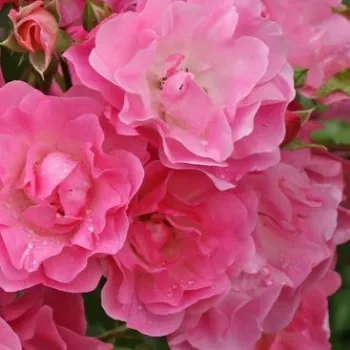
Semi-double, cup-shaped flowers in clusters, medium size (about 4–7 cm), with roughly 13–25 petals; repeat-flowering habit with an abundant second flush that maintains good garden presence. |
| Colour data and phenology |
Peach-pink blooms with a delicate yellowish tint; buds open vivid, soften to mid-toned pink, then to pastel peach before fading, ensuring a gentle, harmonious colour progression throughout the season. |
| Fragrance and aroma |
Very light fragrance with a classic rosy character that is barely noticeable in the garden, making it suitable near doors, windows or small seating areas where a strong scent is not required. |
| Hip characteristics |
Hip formation is generally sparse; if present, small spherical hips about 6–9 mm across, coloured orange-red (RHS 34B), adding only a discreet late-season feature rather than a dominant display. |
| Resistance and winter hardiness |
Excellent disease resistance to powdery mildew, black spot and rust; hardy to approximately -21 to -18 °C (RHS H7, USDA 6b), with good performance reported in cooler and more exposed sites. |
| Horticultural recommendations |
Suited to beds, groundcover, slopes, hedging, parks and large containers; plant 30–55 cm apart depending on effect, in moisture-retentive yet well-drained soil, with full sun to light partial shade. |
MAXI-VITA® offers long-season apricot-pink colour, strong disease resistance and durable own-root growth, making it a thoughtful, low-effort choice for compact, sustainable gardens and patios.