MARIE NATALE – apricot-pink hybrid tea rose
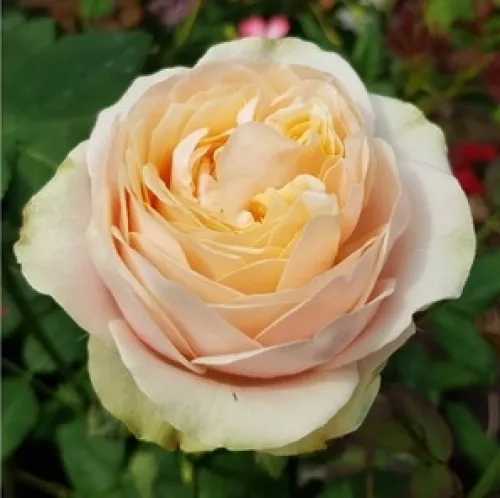
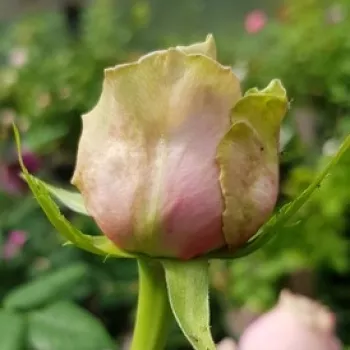
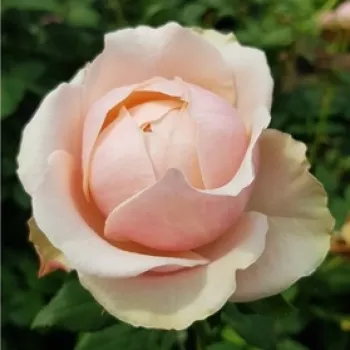
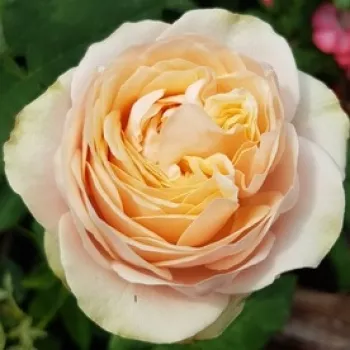
Imagine stepping out after rain into a front garden where fragrance, soft colour and upright form instantly create a sense of balance, while the soil copes calmly with wet spells and heavy downpours. Marie-Natale is a premium own-root hybrid tea bred in Japan, combining generous flowering with a strong, fruity scent that drifts along narrow paths and over small lawns. Large, globular blooms in apricot-pink unfold from deep pink buds, then soften towards cream, giving you long‑lasting interest in even the smallest London terrace setting. In its first year it quietly focuses on roots, the second brings more confident shoots, and by the third it settles into full ornamental value with stable structure and reliable performance. Medium disease resistance and a clear, upright habit make it well suited to busy homeowners who want an elegant, long‑lived feature rose rather than a high‑maintenance project.
Usage options
| Target area |
Reasoning |
| Small London front garden focal point |
The upright, compact growth and extra‑large, exhibition‑style blooms create immediate kerb appeal without needing a large border. One or three plants near the path give a classic “florist’s rose” look that still fits a narrow terrace frontage, ideal for the time‑pressed beginner. |
| Rainwater‑friendly planting with good drainage |
Best placed where downpipes or paving edges allow water to soak through, provided the soil is improved with grit or compost to prevent waterlogging on heavier clays and keep the root zone aerated, particularly reassuring for sustainability‑minded homeowners. |
| Own‑root long‑term feature rose |
As an own‑root plant it does not depend on a graft union, so it regenerates from its base after harsh winters or pruning slips, building a stable, long‑lived structure that changes little over time for relaxed garden owners. |
| Year‑on‑year development in family gardens |
The plant typically puts energy into root establishment in the first season, pushes stronger top growth and flowering in the second, and reaches its full ornamental presence by the third, suiting patient but busy urban gardeners. |
| Cut‑flower bed for home vases |
Originally selected as a florist’s hybrid tea, its long, straight stems and very double, globular blooms cut well for indoor arrangements, allowing you to enjoy the strong, fruity scent both outdoors and inside as a reward for casual enthusiasts. |
| Mixed border with perennials |
Plant among airy companions such as nepeta, low salvias or pink lupins to soften the formal shape and provide movement; they also help disguise bare stems while echoing the soft apricot‑pink palette appreciated by style‑conscious residents. |
| Container on balcony or paved front area |
In a large, well‑drained pot of at least 40–50 litres, quality peat‑free compost and regular watering with saved rainwater support steady growth, making it a practical choice where soil is limited for urban balcony and patio users. |
| Weather‑exposed but sheltered‑from‑traffic spots |
Suited to typical British winters and changeable seasons, it copes well in modest wind and rain when given a spot out of direct funnelled gusts, bringing reliable bloom quality through unsettled weather for coastal‑adjacent city dwellers. |
Styling ideas
- Soft-terrace welcome – Line a short front path with MARIE NATALE and low lavender for a scented, cottage-style entrance – ideal for terrace-house owners wanting gentle structure.
- Elegant-cutting row – Plant a short row along a sunny fence, underplanted with nepeta, to harvest perfumed stems all summer – suited to hobby florists who love home-grown bouquets.
- Peach-and-cream mix – Combine with pale pink lupins and soft grasses to echo its apricot-pink shift to cream – for gardeners who favour romantic, pastel schemes.
- Urban-pot statement – Grow a single plant in a 50-litre clay pot with trailing thyme around the base for texture – perfect for balcony or paved-front gardeners with no borders.
- Rain-harmonious strip – Use alongside permeable gravel and obedient plant to guide rainwater into planted zones – for sustainability-minded households reducing hard paving.
Technical cultivar profile
| Parameter |
Data |
| Name and registration |
MARIE NATALE is a hybrid tea / florist rose traded as “Marie Natale Hybrid tea rose Nakazawa”, part of the hybrid tea collection, verified for cultivar authenticity for discerning home gardeners. |
| Origin and breeding |
Bred by Tadashi Nakazawa in Japan around 2006, with parentage data unknown; introduced as a florist-type hybrid tea now offered as an own-root garden rose for domestic landscapes. |
| Growth and structural characteristics |
Upright bush reaching about 75–110 cm in height and 50–70 cm spread, with dense mid-green, slightly glossy foliage and moderate prickles, forming a neat, vertical accent in mixed borders. |
| Flower morphology |
Very double, globular to pompon blooms with over 40 petals, produced mainly singly on stems, extra-large flower size and strong repeat flowering including a generous second flush in season. |
| Colour data and phenology |
Apricot-pink flowers: deep pink buds open to peach-toned centres with creamy outer petals; colour lightens towards cream-pink with a silvery, slightly greenish fade at petal edges over time. |
| Fragrance and aroma |
Strong, noticeably perfumed rose with a full-bodied, fruity fragrance character, intended for those who value scent in both garden display and cut stems for indoor enjoyment. |
| Hip characteristics |
Heavily double flowers limit rosehip set; occasional small hips may form, but the cultivar is primarily valued for continuous ornamental flowering rather than decorative fruit display. |
| Resistance and winter hardiness |
Rated to around −21 to −18 °C (RHS H7, USDA 6b, Swedish zone 3) with medium resistance to powdery mildew, black spot and rust, responding well to basic, timely preventative care. |
| Horticultural recommendations |
Space 35–65 cm depending on use, giving 5.7–6.5 plants/m² in mass plantings; medium maintenance level, needing occasional feeding, pruning and disease checks in typical British garden conditions. |
MARIE NATALE rewards you with large, scented blooms on a compact, long-lived own-root plant that settles in steadily and suits smaller, sustainable front gardens; consider it if you seek lasting elegance with manageable care.