MAMY BLUE™ – violet-purple hybrid tea rose - Delbard
Step outside after rain and let Mamy Blue guide you along a fragrant garden path: a hybrid tea rose bred by Delbard for London front gardens, combining rain-brushed petals with a deeply sweet, violet-honey perfume that lingers in the air. Its reliable upright habit and long, elegant stems make cutting for the vase simple, while own-root planting builds quiet resilience over seasons, ideal where you are working with heavier soils and need dependable structure in wind and wet. Slow and steady establishment means you will see roots in year one, strong shoots in year two, and full ornamental impact by year three, settling this rose into a balanced, sustainable rhythm in your family garden.
Usage options
| Target area |
Reasoning |
| Front garden feature by the doorway |
The very strong, violet-honey fragrance creates an immediate welcome beside a path or doorstep, especially in sheltered urban front gardens where scent collects after showers, suiting busy homeowners who value sensory impact with minimal effort for fragrance-lovers |
| Formal hybrid tea bed or row |
Upright, bushy growth and long, uniform stems allow neat, repeatable planting in rows or classic beds, offering structure and easy spacing in typical suburban plots where you want clear lines without complex pruning for structure-seekers |
| Cutting patch for home arrangements |
High-centred, exhibition-style blooms on long, straight stems provide excellent material for vases and bouquets, so a small cutting strip can supply the house all summer with perfumed stems for home-florists |
| Specimen rose in a mixed border |
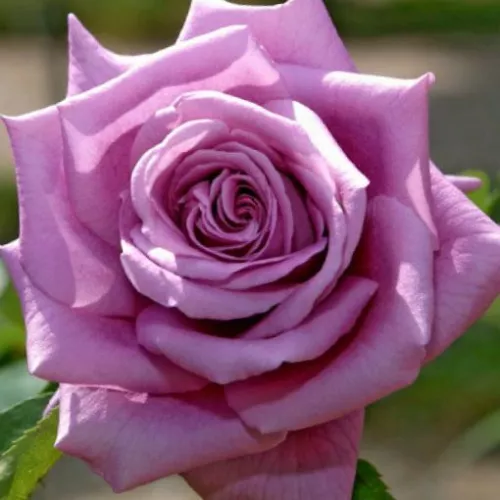
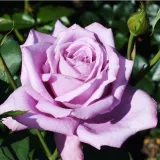
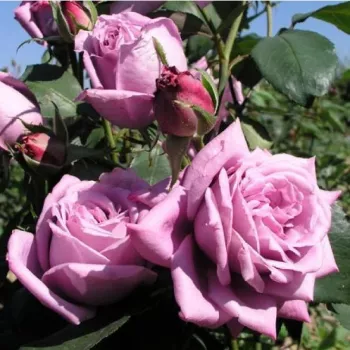
The rare purple-lilac colour with a bluish veil stands out against dark green foliage and surrounding perennials, giving a single bush strong visual presence without needing large numbers of plants for accent-seekers |
| Rain-conscious front garden design |
Once established on its own roots, it forms a durable framework that copes steadily with typical UK wet spells, supporting planting schemes that channel rainwater through beds instead of across paving for sustainability-minded |
| Large container on terrace or balcony |
Planted in a generous 40–50 litre peat-free container, its compact spread and vertical habit give height, colour and perfume without overwhelming small terraces, convenient where ground planting is limited for container-gardeners |
| Long-term family garden planting |
The own-root form helps it regenerate from lower buds if stems are damaged by weather or pruning errors, supporting a longer life and stable shape that matures alongside the rest of the garden for future-planners |
| Small collection of perfumed roses |
As a Grands Parfums variety with award-winning scent, it anchors a compact group of fragrant roses, adding depth and character where space allows only a few carefully chosen plants for collectors |
Styling ideas
- Doorway-Dramatic – Plant Mamy Blue as a single specimen by the front step, underplanted with low lavender for scent layering – ideal for fragrance-focused city homeowners.
- Terraced-Trio – In a 50 litre pot, combine with trailing Ajuga reptans and a soft grass for movement – suited to small London terraces wanting vertical interest.
- Purple-Partnered – Repeat-plant in a row and edge with Nepeta or dwarf sage to echo the lilac tones – good for beginners aiming at an easy, cohesive look.
- Evening-Perfume – Place near a seating area with pale clematis weaving behind to catch dusk light – perfect for those who relax outdoors after work.
- Statement-Specimen – Set one bush in a gravelled, rain-friendly front garden with a simple backdrop of evergreen shrubs – for low-fuss gardeners wanting one standout rose.
Technical cultivar profile
| Parameter |
Data |
| Name and registration |
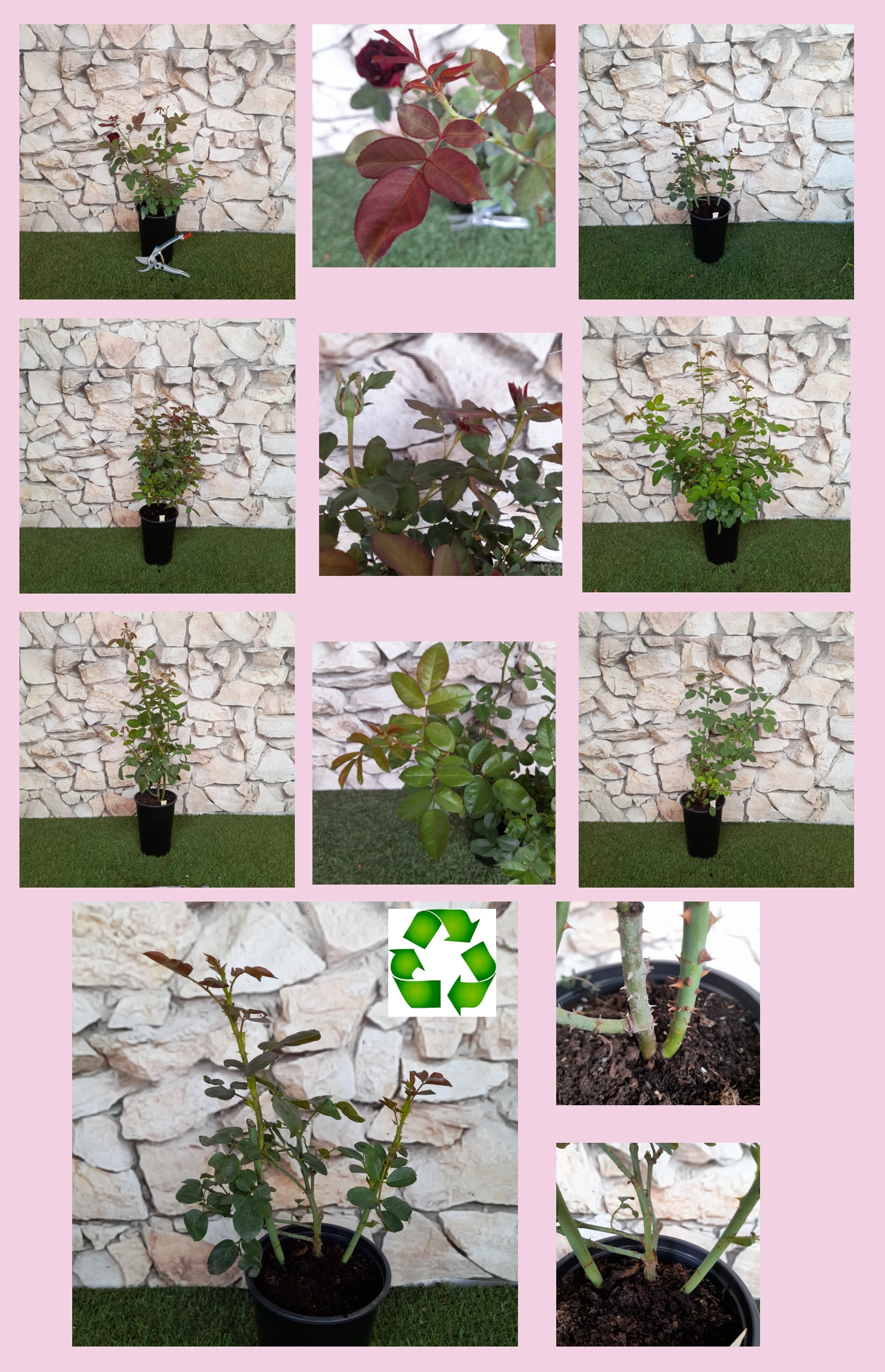
Hybrid tea rose, registered as DELblue, marketed as Mamy Blue™ in the Grands Parfums collection; ARS exhibition name Mamy Blue, premium silver grade, own-root 2-litre container form. |
| Origin and breeding |
Bred by Georges Delbard, France, around 1983 from complex hybrid tea parentage including Holstein, Bayadère, Prélude and Saint-Exupéry; registered 1984 and introduced to commerce in 1991. |
| Awards and recognition |
Holder of a New Zealand Fragrance Award from 1997, confirming the cultivar’s outstanding scent performance in garden conditions and reinforcing its place among notable scented hybrid tea roses. |
| Growth and structural characteristics |
Compact, upright, bushy shrub 75–105 cm tall and 50–70 cm wide, moderately thorny with glossy, dark green foliage; flowers borne mainly singly on strong stems, ideal for cutting and specimen use. |
| Flower morphology |
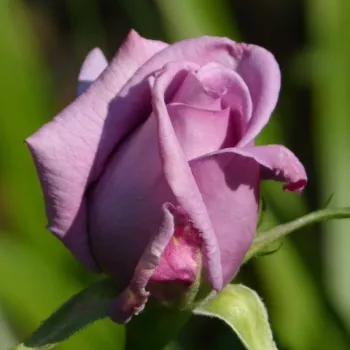
Large, double, high-centred blooms with 26–39 petals in classic exhibition tea form; pointed buds open singly, producing elegant cut-flower style blossoms, with good repeat and a strong second flush in summer. |
| Colour data and phenology |
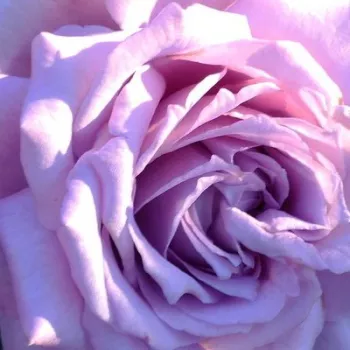
Deep purple base with bluish-violet iridescence, ARS colour m, RHS 77A outer and 79B inner; buds dark purplish red, ageing through cyclamen-magenta to lilac-pink with a silvery, bluish shimmer in strong sun. |
| Fragrance and aroma |
Very strong, garden-filling scent with a deeply sweet violet-honey character; fragrance is noticeable in still air and especially after rainfall, making it suitable for sensory planting near paths and seating. |
| Hip characteristics |
Rose-hip production is generally low; occasional small, spherical hips 10–14 mm across may develop, coloured orange-red and decorative in autumn, but are not a major ornamental feature of this variety. |
| Resistance and winter hardiness |
Hardy to approximately −23 to −21 °C (RHS H7, USDA 6a, Swedish zone 3); disease resistance moderate to weak, with susceptibility to rust and some powdery mildew and black spot, needing regular protection. |
| Horticultural recommendations |
Best in full sun with fertile, well-drained soil; water deeply in dry spells, avoid prolonged drought, and deadhead spent blooms; allow space per recommended planting distances for airflow and easier maintenance. |
Mamy Blue™ combines powerful violet-honey perfume, elegant cutting stems and long-lived own-root reliability, making it a refined choice for gardeners seeking lasting character and scent in a compact space.